
A peaceful walk around a quiet pond sounds harmless. The gentle sound of water, the sight of birds floating across the surface, and the calm atmosphere can make you forget that some animals are much stronger than they appear.
Then suddenly, you hear it.
A loud hiss breaks the silence.
You turn around and see a large swan charging toward you, wings spread wide and moving aggressively. The bird that moments ago looked elegant and peaceful is now heading straight for you.
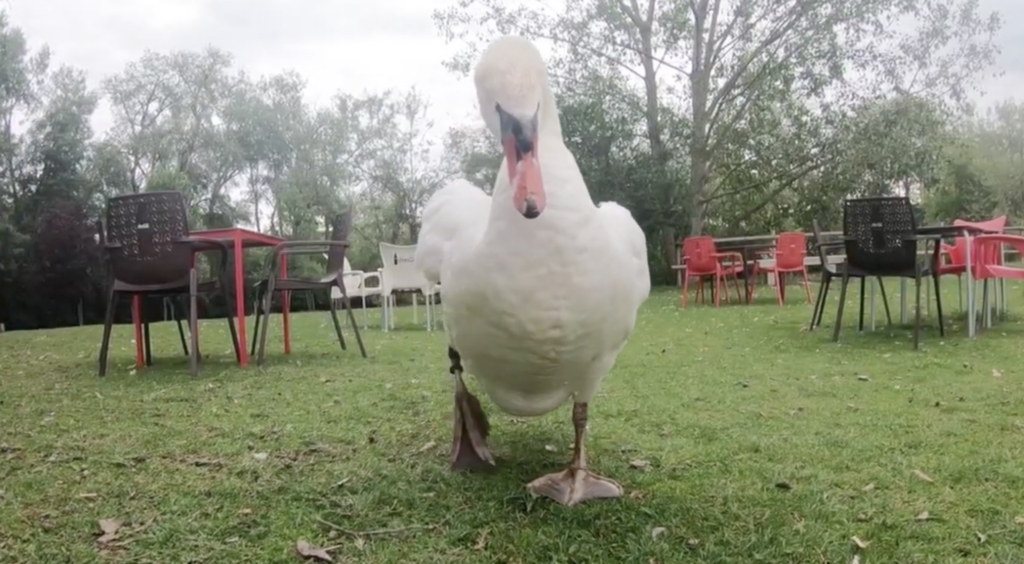
Most people underestimate swans because of their graceful appearance. But these birds can be surprisingly powerful, especially when they feel threatened.
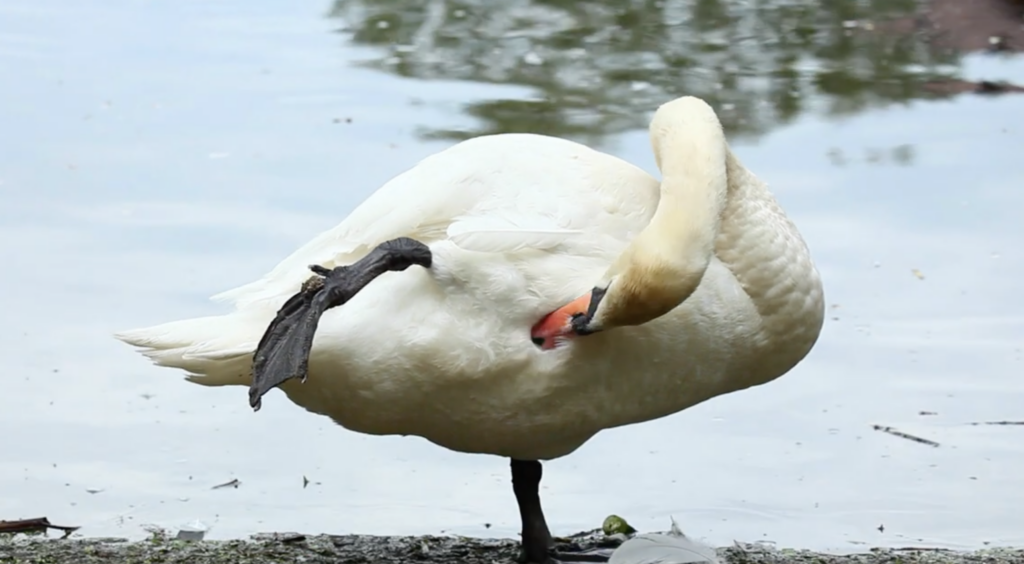
Some swan species can weigh up to 14 kg (30 lb) and reach nearly 1.5 m (5 ft) in length. With their large bodies and powerful wings, they can deliver painful strikes strong enough to cause serious injuries.
Their long necks allow them to reach attackers from a distance, and while swans do not have teeth, their sharp beaks can still cause cuts and bruises.
So what should you do if an angry swan decides you are a threat?
The first thing to remember is to avoid the water.
In 2012, a man named Anthony Hensley was working with swans used to control geese populations at a residential area in Illinois. While he was checking on the birds from a kayak, an aggressive swan suddenly charged at him.
The bird struck the kayak with enough force to flip it over, sending him into the water. As he tried to reach the shore, the swan continued attacking and blocked his escape route. The incident ended tragically, showing that these birds can become extremely dangerous when they are defending their territory.
One of the biggest reasons swans become aggressive is their nests.
During spring, female swans lay eggs and both parents become highly protective of their young, called cygnets. If they believe someone is too close, they may attack to defend their family.
Swan nests are usually built near the edge of water using grass, sticks, and other plant materials. If you spot one, the safest option is to keep your distance and avoid approaching.
If a swan begins moving toward you aggressively, finding cover can help.

In 2020, a woman and her young grandson in New Jersey were riding jet skis when they encountered an angry swan. The bird rushed toward them, forcing them to use a nearby pontoon boat as a barrier for protection.
The incident was one of several aggressive swan encounters in the area and led officials to investigate the risks these birds could pose.
Another important thing is to stay calm.
Your first reaction might be to scream, but sudden loud noises and aggressive movements could make the swan even more defensive. Instead, try speaking quietly and slowly backing away.
If the swan continues advancing, some experts suggest making a strong hissing sound similar to the bird itself, which may help discourage it.
Fighting back should be your last option, especially in certain places.
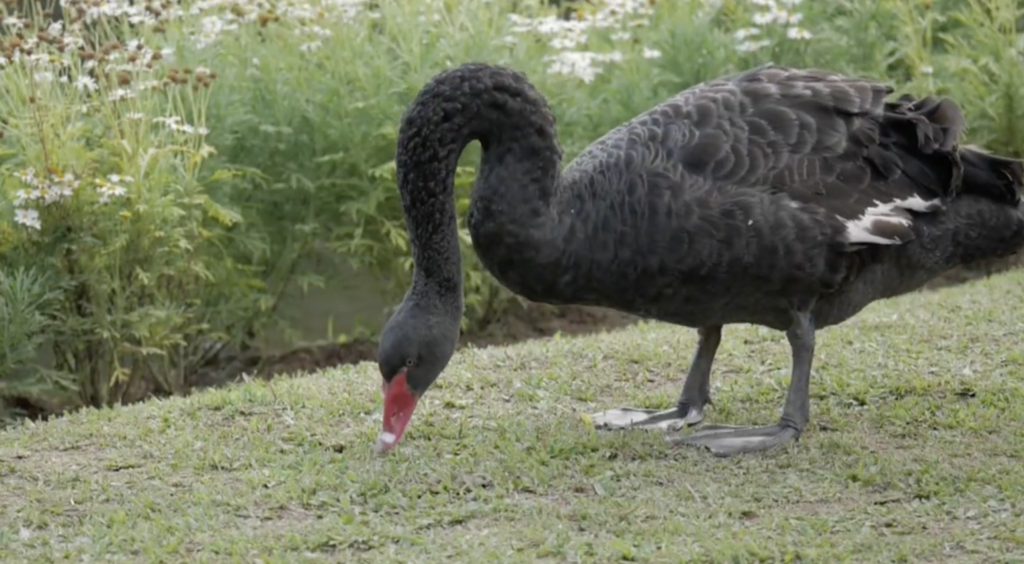
In the United Kingdom, swans have historically received special protection. For centuries, harming one of these birds carried serious legal consequences. While modern laws are different, intentionally injuring or killing a swan can still result in penalties.
So even if the swan starts the confrontation, defending yourself could create legal problems.
Swans may look like peaceful symbols of beauty and elegance, but they are powerful wild animals with strong instincts. Their size, strength, and protective behavior can turn a relaxing day by the water into a dangerous encounter.
The best way to survive a swan attack is simple: give them space, avoid their nests, stay calm, and remember that even the most beautiful creatures in nature deserve respect.