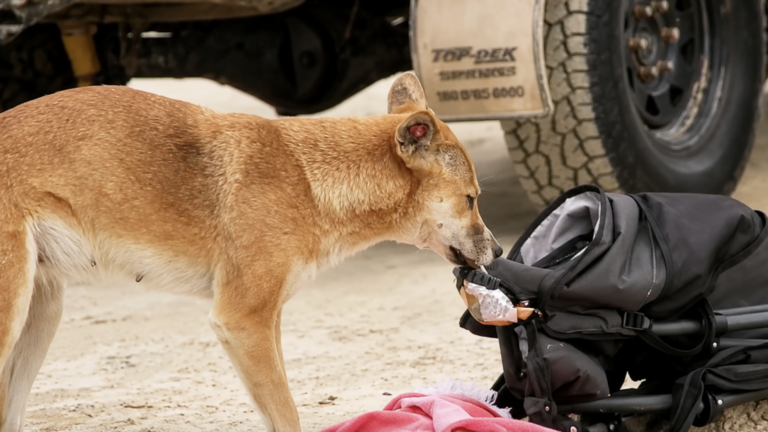
You are enjoying a peaceful vacation in the Australian Outback when a dog-like animal walks toward you. At first glance, it looks harmless, almost like a friendly pet. But as it gets closer, you notice something different. This isn’t a domesticated dog. It is a dingo.
Although dingoes may look similar to ordinary dogs, they are wild predators. They are intelligent, territorial, and unpredictable. Most avoid humans, but when they become comfortable around people, especially when they are fed, they can become dangerous.
So what should you do if a dingo approaches you? Should you try to scare it away? Should you offer food? And how do you protect yourself and your family?
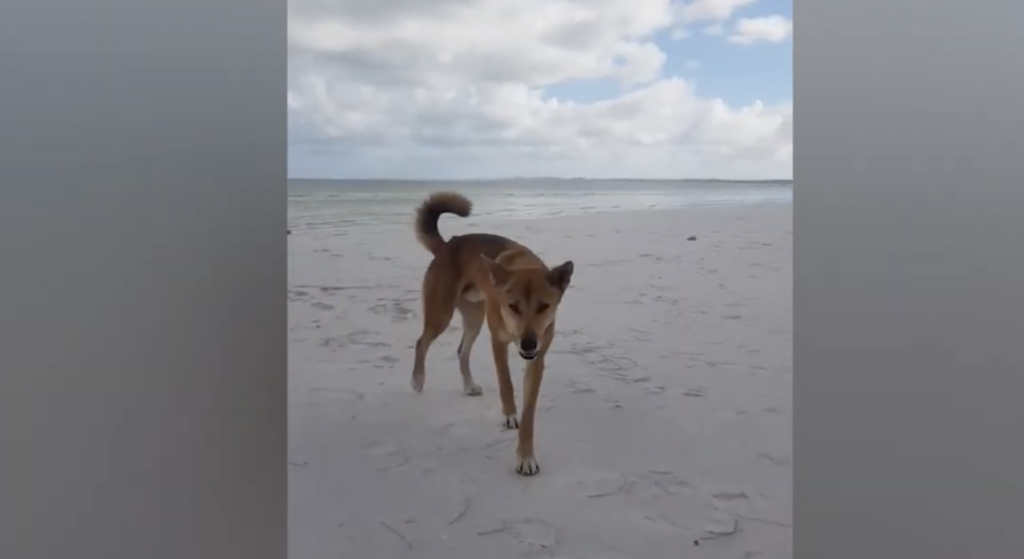
Keep Children and Pets Close
Dingoes have attacked people before, especially young children. One of the most famous cases happened in 1980 when Lindy Chamberlain reported that a dingo took her baby from a campsite in Australia’s Outback. She was initially convicted, but later released after new evidence supported her claim. The case inspired the 1988 film “A Cry in the Dark.”
Young children can be especially vulnerable because they may mistake a dingo’s behavior for that of a playful dog. They may not recognize warning signs such as staring, growling, or aggressive movements.
If you are traveling in dingo territory, always keep children and pets close. Never allow them to explore alone, and try to stay with other people since dingoes are more likely to approach individuals who are isolated.
Slowly Back Away
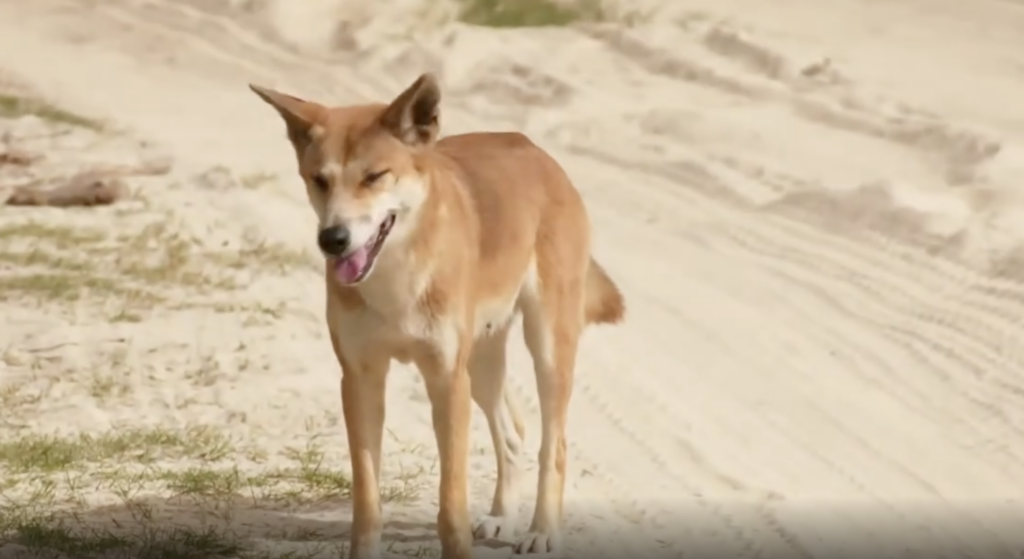
If you encounter a dingo, do not approach it. Stand your ground, face the animal, and slowly move backward.
Dingoes usually weigh between 10 and 15 kg (22 to 33 lb), but their size does not make them harmless. They have powerful jaws and can cause serious injuries if they feel threatened.
If you are with another person, stand back-to-back so you can watch different directions at the same time. The goal is to avoid looking like a threat while giving the dingo space to leave.
Dingoes are territorial animals. They may react defensively if they believe you are invading their area, so staying calm and avoiding sudden movements is important.
Never Feed a Dingo
One of the biggest mistakes people make is treating dingoes like friendly pets.
Dingoes are wild animals, and feeding them teaches them that humans are a source of food. Over time, they can become less afraid of people and more demanding or aggressive when food is not offered.
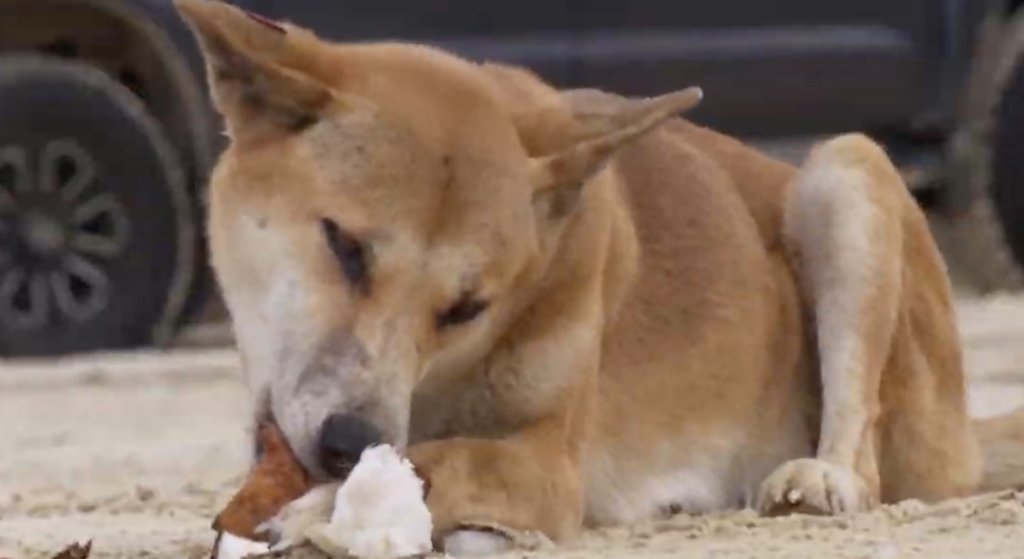
There have been serious incidents caused by food conditioning. In 2018, a woman working at an Australian mine was attacked by several dingoes while eating lunch. She suffered severe bites, including a serious injury to her ankle.
If you are carrying food, keep it stored away and avoid attracting attention. If a dingo approaches and appears focused on your food, do not fight over it. Let the animal take the food if necessary and slowly move away.
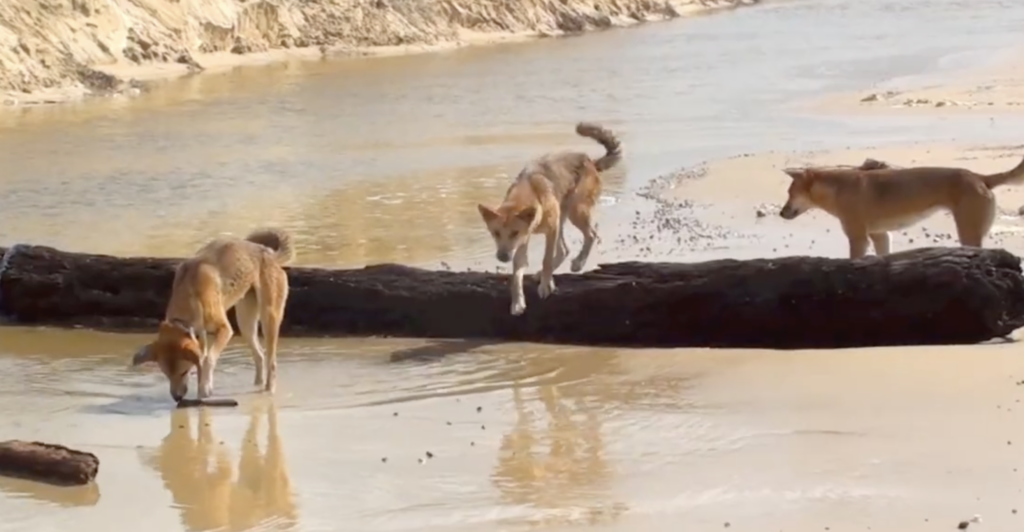
Stay Away From Water Sources
Dingoes live throughout many parts of Australia, including forests, grasslands, and remote wilderness areas. However, like all animals, they need regular access to water.
Rivers, streams, and watering holes are important places where wildlife gathers. If you are exploring remote areas, these locations can increase the chance of encountering a dingo.
Avoid camping directly near water sources when possible and be aware of animal activity around your campsite.
Never Run Away
Running from a dingo can trigger its hunting instincts. A fast moving person may be seen as prey, causing the animal to chase.
Instead of running, slowly walk backward while keeping your eyes on the dingo. This shows that you are aware of its presence without appearing aggressive.
Many dingo encounters happen when people are walking, hiking, or jogging alone. On places like K’gari, formerly known as Fraser Island, a large number of reported dingo incidents have involved people moving through their territory.
If you are jogging and notice a dingo nearby, stop running immediately and calmly leave the area.
Get Medical Help After an Attack
If a dingo attacks you, your priority should be escaping and finding medical assistance as quickly as possible.
Even a small bite can become dangerous because wild animals can carry bacteria and other infections. Medical professionals can properly clean the wound and determine what treatment is needed.
Queensland has recorded numerous dangerous dingo encounters over the years, including attacks involving children and adults. While serious attacks on adults are uncommon, every bite should be taken seriously.
Dingoes are fascinating animals and an important part of Australia’s ecosystem. But they are not pets, and respecting their space is the best way to avoid a dangerous encounter.
When exploring the Outback, preparation and awareness can make the difference between a memorable adventure and a life threatening situation.