
What would happen if the rain simply stopped being reliable? At first, people might treat it as a bad season, but after several years, empty reservoirs, dying crops, and disappearing vegetation would become impossible to ignore.
As the dry period continued, every source of fresh water would become more valuable. Farms would struggle, animals would lose their food supplies, and communities would have to completely rethink how they use and store water.
Now stretch that scenario across twenty years. A drought lasting two decades would not simply be a long period without rain. It could transform landscapes, economies, food systems, and the way entire populations live.
Drought occurs when an area receives substantially less precipitation than normal for an extended period. When severe dryness continues for many years, scientists can describe the event as a megadrought.
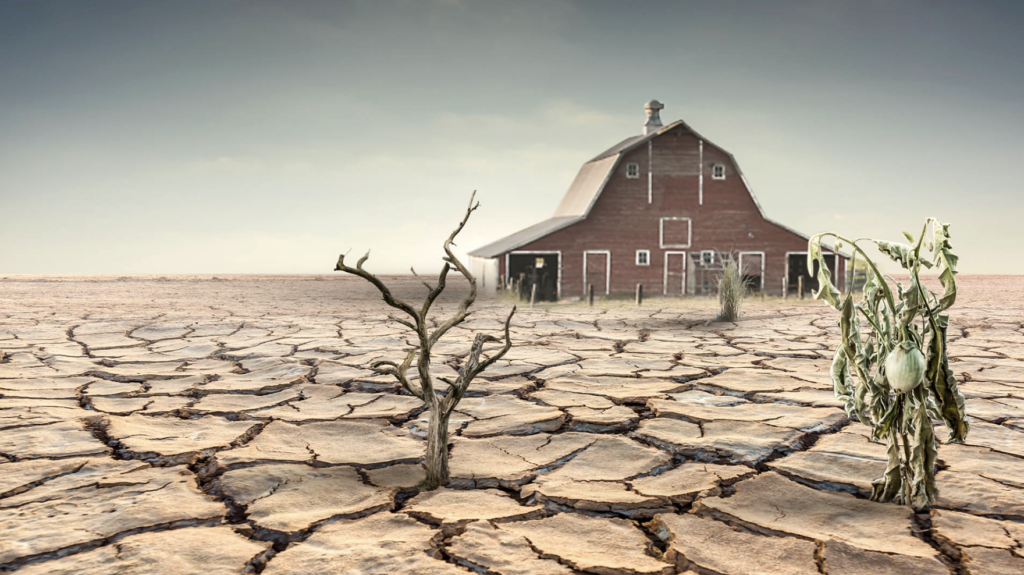
The effects could spread far beyond dry soil. Rivers and lakes could shrink, agricultural fields could stop producing enough food, and forests could become increasingly vulnerable to enormous wildfires.
With less vegetation holding the soil together, strong winds could also create major dust storms. Large quantities of dry soil could be carried across wide areas, damaging air quality and making already difficult conditions even harder to manage.
A drought lasting twenty years might sound like science fiction, but history contains examples of exceptionally long dry periods. Since around 2000, parts of the southwestern United States and northern Mexico have experienced an unusually severe drought, with researchers finding that human caused climate change contributed to its intensity.
So how could people adapt if extreme dryness continued for another two decades?
Searching Underground
When rivers and reservoirs begin running low, groundwater could become one of the most important remaining sources. Communities might respond by drilling new wells or extending existing ones deeper underground.
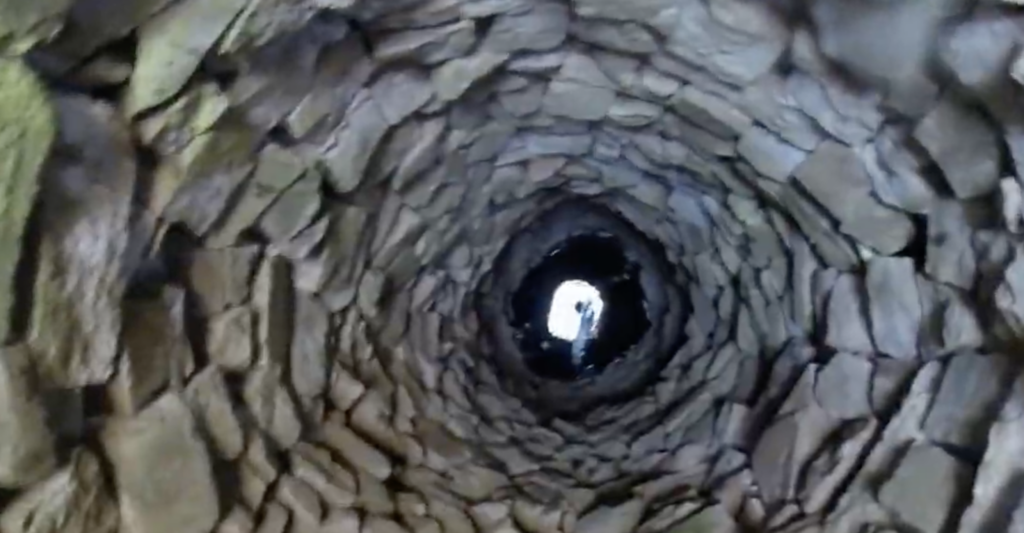
But groundwater cannot simply be treated as an endless underground reservoir. Aquifers are normally replenished when rainfall and surface water gradually move through the ground.
A twenty year drought could greatly reduce that natural recharge. If farmers, households, and industries pumped water faster than underground reserves could recover, some aquifers could eventually become severely depleted.
Recovering from that level of depletion could take decades or even centuries. In some locations, excessive groundwater extraction could also cause permanent changes to the underground system.
Rethinking Food
A prolonged water crisis would force people to reconsider what they grow and eat. Agriculture consumes enormous quantities of fresh water, and some foods demand far more irrigation than others.
Crops such as rice and certain nuts can require substantial amounts of water, particularly when grown in regions that naturally receive little rainfall.
Animal agriculture would create another challenge. Cattle need water themselves, but they also require large quantities of feed, and producing that feed requires additional water.
Almonds provide another example of a crop that can require extensive irrigation in dry environments. During an extreme drought, farmers would likely favor crops that can produce useful amounts of food while requiring considerably less water.
Saving Rainwater
Even during a severe drought, rainfall may not disappear completely. A short storm could provide enough water to make a meaningful difference if communities had systems ready to capture it.
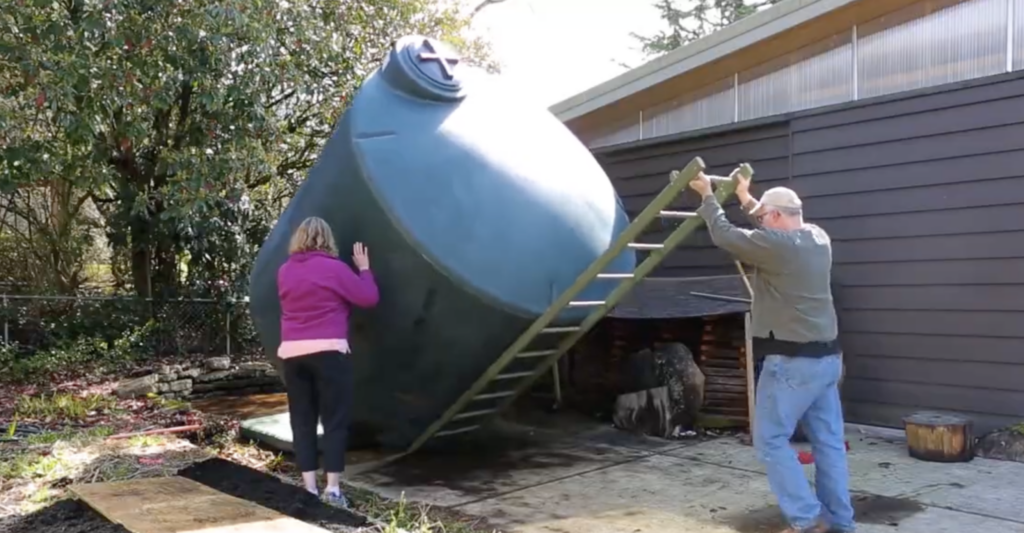
Australia demonstrated this approach during the Millennium Drought in the early 2000s. Many households installed tanks that collected rainwater from rooftops whenever precipitation arrived.
Stored rainwater can be filtered and treated for different household purposes, including drinking and cooking. On a much larger scale, cities could also capture stormwater and improve systems designed to prevent valuable water from immediately running away.
Surviving Together
Managing a crisis this large would require more than individual households changing their habits. Governments, businesses, farmers, and residents would all need to coordinate their use of the remaining water.
Australia experienced a particularly severe drought between 1995 and 2009. Melbourne was placed under enormous pressure as rainfall declined and reservoirs approached dangerously low levels.
The city responded with water restrictions, improved storage, and programs designed to reduce consumption. Residents had to change everyday habits, while authorities worked to protect supplies and make the remaining water last longer.
The drought eventually ended, but the experience demonstrated how cooperation can influence the outcome of a prolonged water crisis. When millions of people reduce consumption at the same time, the combined effect can be significant.
Leaving Becomes the Only Choice
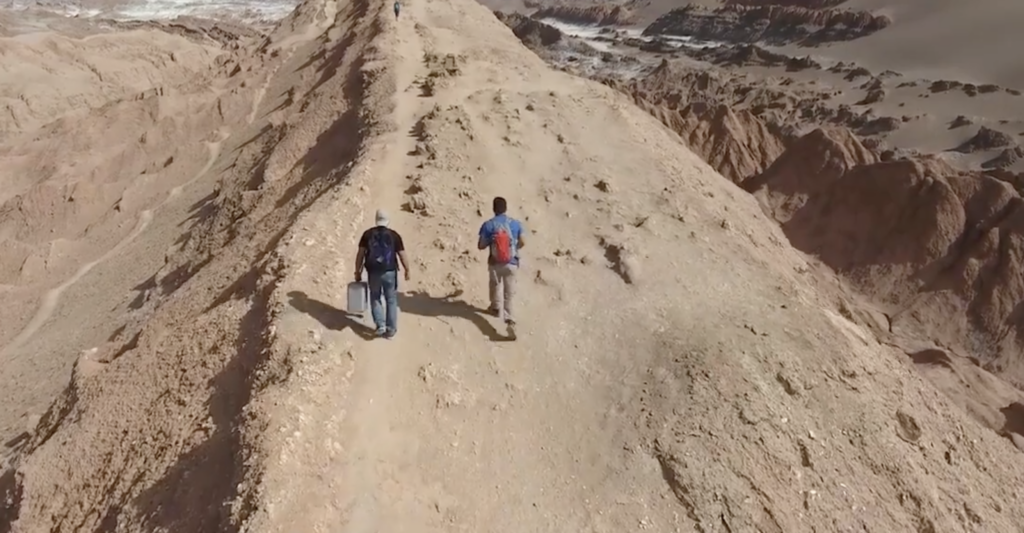
Conservation and technology might not always be enough. If a region became nearly impossible to support after twenty years of extreme dryness, people could eventually have to move somewhere with more dependable water supplies.
Climate conditions are not identical everywhere. While one region can experience extraordinary drought, another may receive heavier rainfall or even face flooding during the same period.
Large scale migration could therefore become one of the most dramatic consequences of a twenty year drought. Cities might lose residents, agricultural regions could be abandoned, and governments would have to plan for populations moving toward areas with more reliable resources.
A drought lasting two decades would test almost every part of civilization. Food production, energy supplies, economies, wildlife, cities, and basic human survival would all be affected.
Yet humanity has repeatedly adapted when environmental conditions changed. Better water technology, efficient agriculture, recycling, careful planning, and cooperation could give communities a chance to survive even an extraordinary dry period.
The greatest advantage would come from preparing before the crisis reaches its worst point. Once reservoirs are empty and underground reserves are exhausted, there may be very little time left to find another solution.