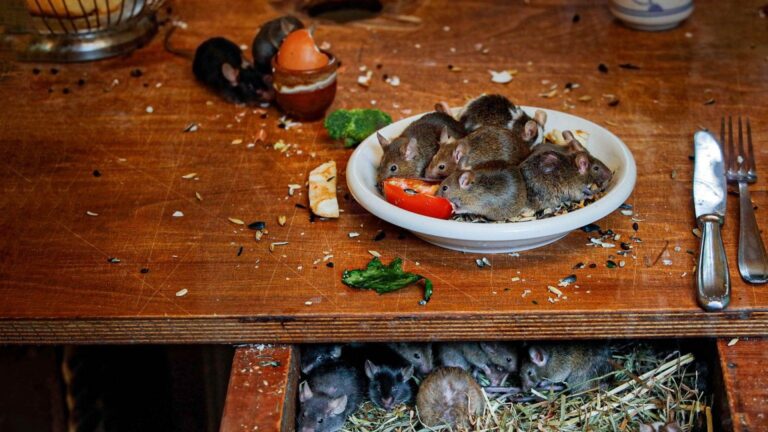
Three passengers died — including a Dutch couple — and others fell ill on the MV Hondius sailing from Argentina toward Cape Verde. One case is lab-confirmed as hantavirus, a rare rodent-borne virus. It starts like the flu but can rapidly cause severe lung failure. Fatality rate around 40% for this form. No specific cure — only supportive care.
Avoid rodent dust at all costs.
Step 1: Spot & Block
Check cabins, storage, and excursions for droppings, nests, or gnaw marks. Seal food, report signs to crew immediately, and keep areas rodent-free. Ships and remote stops can attract them.
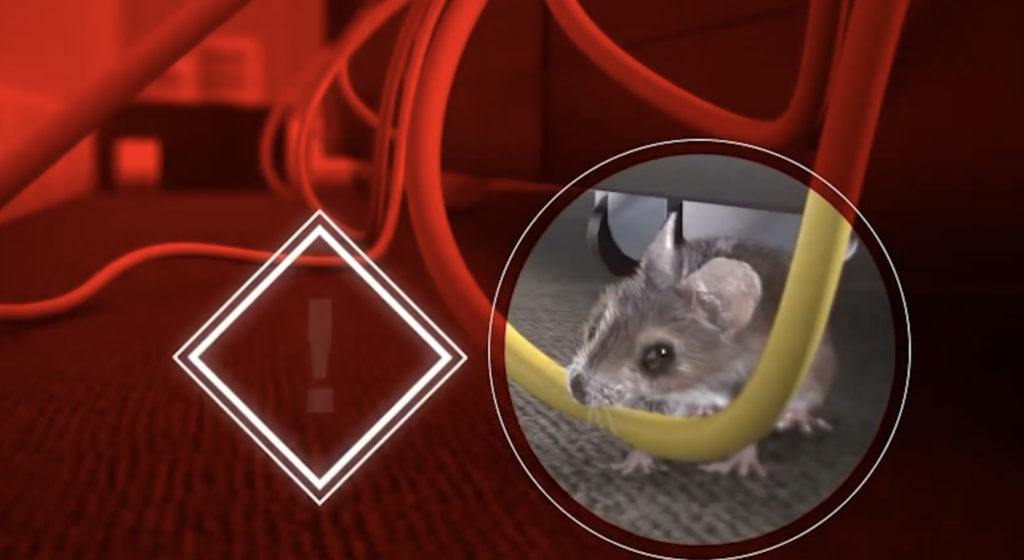
Step 2: Clean Safely
Never sweep or vacuum droppings — it spreads the virus in the air. Ventilate 30+ minutes first, wear an N95 mask + gloves, soak everything in 1:10 bleach solution (or disinfectant) for 5 minutes, then wipe with wet towels. Cleaning these areas the wrong way can be dangerous. Never vacuum or sweep mouse droppings. This can release tiny contaminated particles into the air. This is one of the main ways diseases like hantavirus can spread. Even dried droppings can carry the virus, meaning the risk doesn’t disappear over time.
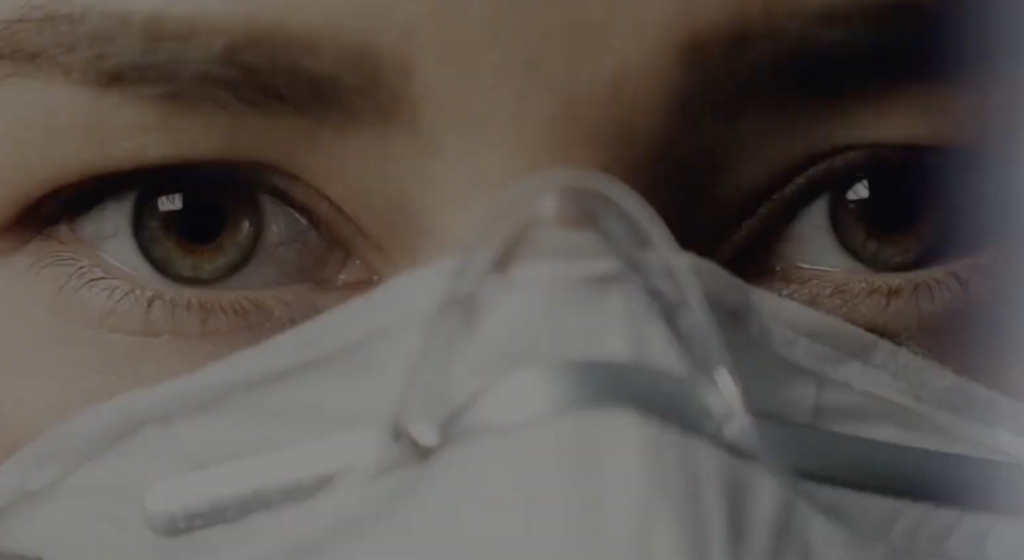
Step 3: Act Fast on Symptoms
Fever, fatigue, muscle aches? Alert the ship doctor right away. Early oxygen and hospital care improve survival. Pack masks, wipes, and stay alert on any trip near nature or dusty areas.

Step 4. Don’t ignore bites or scratches
Encounters with rats aren’t always harmless. In 2018, a woman in a Canadian cinema felt a sudden sharp pain in her leg during a movie. When she checked, she discovered she had been bitten. Incidents like this are rare, but they highlight a real risk.
A mouse bite or scratch can expose you to serious infections, including rat-bite fever. If it happens, clean the wound immediately and seek medical care. Doctors will typically prescribe antibiotics to reduce the risk of complications.
Prevention beats panic — stay rodent-aware on every getaway.