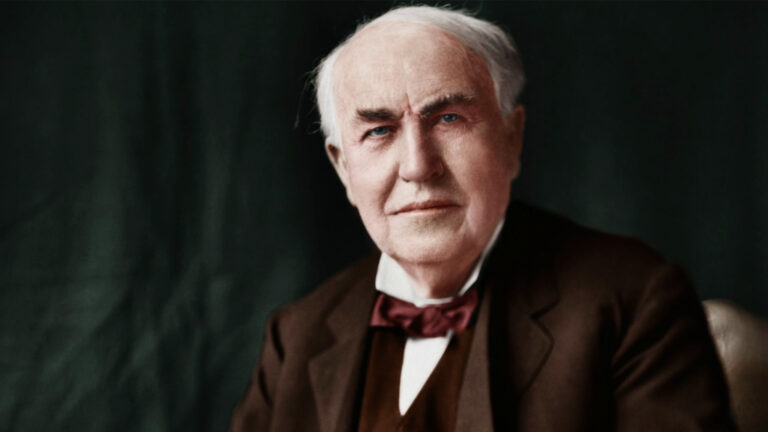
Few inventors in history have become as famous as Thomas Edison. With more than 1,000 patents attached to his name, Edison helped shape the modern world through innovations in electricity, sound recording, batteries, and motion pictures.
His inventions transformed daily life and turned him into one of the most recognizable figures of the Industrial Age.
But what if Edison had never been born?
Would our homes still be lit by electric bulbs? Would we still have radios, telephones, or movie theaters? And perhaps most surprisingly, would Hollywood even exist in the form we know today?
The answer is more complicated than it first appears.
The Lightbulb Would Still Exist
One of the biggest misconceptions about Edison is that he single handedly invented the lightbulb. In reality, several inventors around the world were already experimenting with electric lighting before Edison entered the race.
Inventors like Joseph Swan and Nikola Tesla were deeply involved in developing electrical technologies during the late 1800s. Edison’s greatest achievement was not necessarily creating the first bulb, but creating one that was practical, affordable, and easy to market to the public.
Without Edison, electric lighting would almost certainly still have arrived. Homes and cities would not remain trapped in darkness. Another inventor or company would likely have commercialized the technology instead.
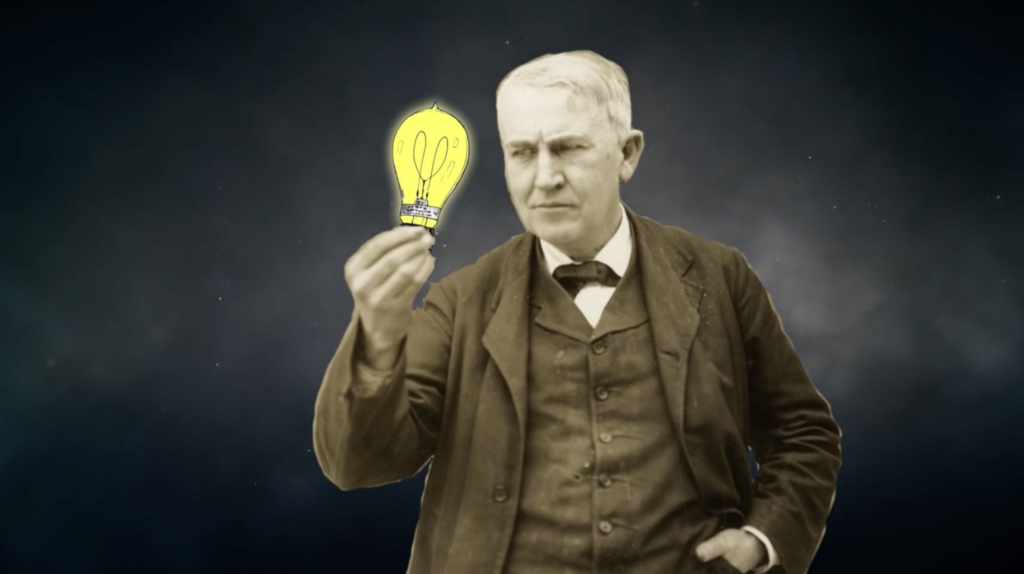
Edison’s true talent was combining invention with business. He understood how to package technology and bring it into everyday life better than almost anyone else of his era.
The Phone Might Sound Very Different
Edison also contributed to improvements in telephone technology. While Alexander Graham Bell is credited with inventing the telephone, Edison developed upgrades that improved audio quality and usability.
He even suggested that people answer the phone by saying “Hello.”
If Edison had never existed, we might still answer calls differently today. Bell reportedly preferred the greeting “Ahoy,” meaning modern phone conversations could sound far stranger than they do now.
It is a small detail, but it shows how even cultural habits can be shaped by inventors.
Music and Radio Would Still Arrive
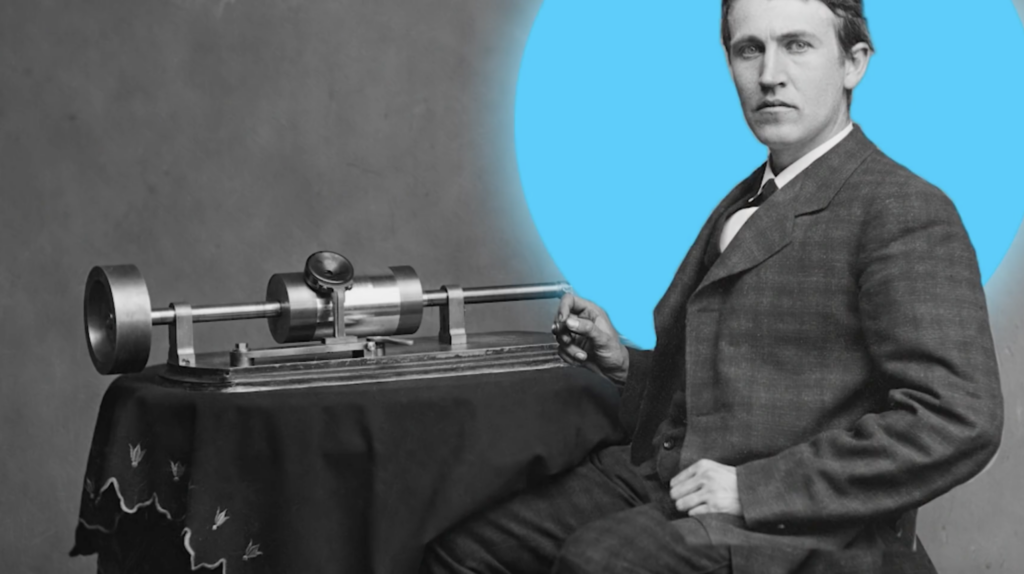
In 1877, Edison introduced the phonograph, a device capable of recording and replaying sound. It was revolutionary at the time and opened the door to recorded music, radio broadcasting, and eventually the modern entertainment industry.
But once again, Edison was not entirely alone.
French inventor Charles Cros had already designed plans for a similar sound recording machine during the same period. Decades earlier, inventors had also created devices capable of recording sound visually, though they could not play it back.
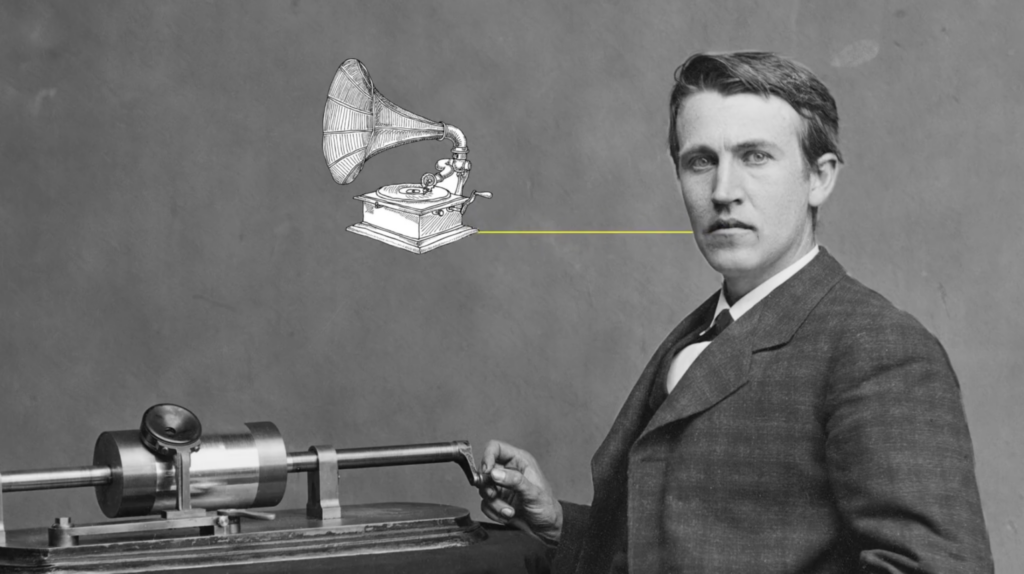
This idea is tied to something historians call the “multiple discovery theory.” Throughout history, many important inventions appeared almost simultaneously in different parts of the world because scientists and inventors were working toward the same goals at the same time.
So even without Edison, recorded sound and radio technology would probably still emerge. It might happen under different names or through different inventors, but humanity would likely end up in a similar place technologically.
Batteries Would Still Power the World
Edison also played a role in developing alkaline battery technology. Today, batteries power everything from flashlights to gaming controllers and portable electronics.
However, Swedish inventor Waldemar Jungner independently developed similar battery technology around the same time.
Without Edison, batteries would still exist. The timeline of development might shift slightly, but modern portable electronics would still become part of everyday life eventually.
This pattern appears repeatedly throughout Edison’s career. He was often not the only inventor working on an idea, but he was exceptionally good at refining technology and bringing it to mass audiences.
The Biggest Change Might Be Hollywood
Ironically, the area where Edison may have had the greatest long term impact was not electricity at all. It was movies.
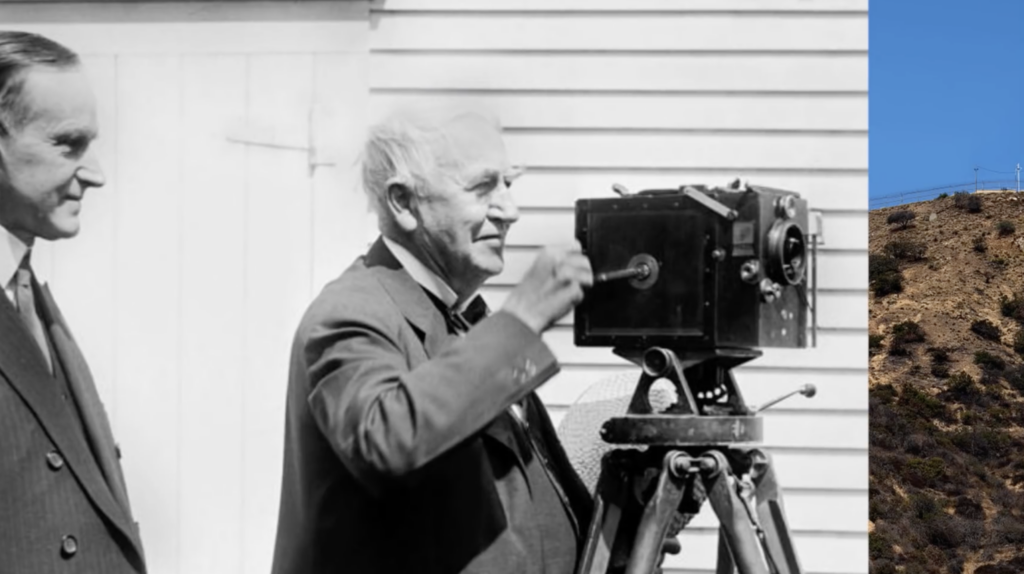
Edison and his employee William Kennedy Dickson helped develop some of the earliest motion picture technologies. Devices like the kinetoscope allowed people to view moving images, while early cameras made film recording possible.
In 1893, Edison created the Black Maria, considered the world’s first movie production studio. The building produced short films featuring dancers, comedians, circus acts, magic tricks, and even one of history’s first cat videos.
Audiences were fascinated. People lined up just to watch films lasting a few seconds.
But Edison’s influence on Hollywood came less from filmmaking itself and more from his aggressive control over the industry.
As movies became more popular, Edison collected patents related to cameras, projectors, and film technology. He used these patents to sue competing filmmakers and studios across the eastern United States.
Eventually, Edison joined forces with major film companies to form the Motion Picture Patents Company in 1908. The organization controlled filmmaking licenses and imposed strict rules on productions. Films could not exceed certain lengths, and studios feared making actors famous through screen credits.
Independent filmmakers became frustrated by these restrictions.
To escape Edison’s legal reach, many filmmakers moved west to a small agricultural town in California called Hollywood. The area offered cheap land, reliable weather, and most importantly, distance from Edison’s operations in New York.
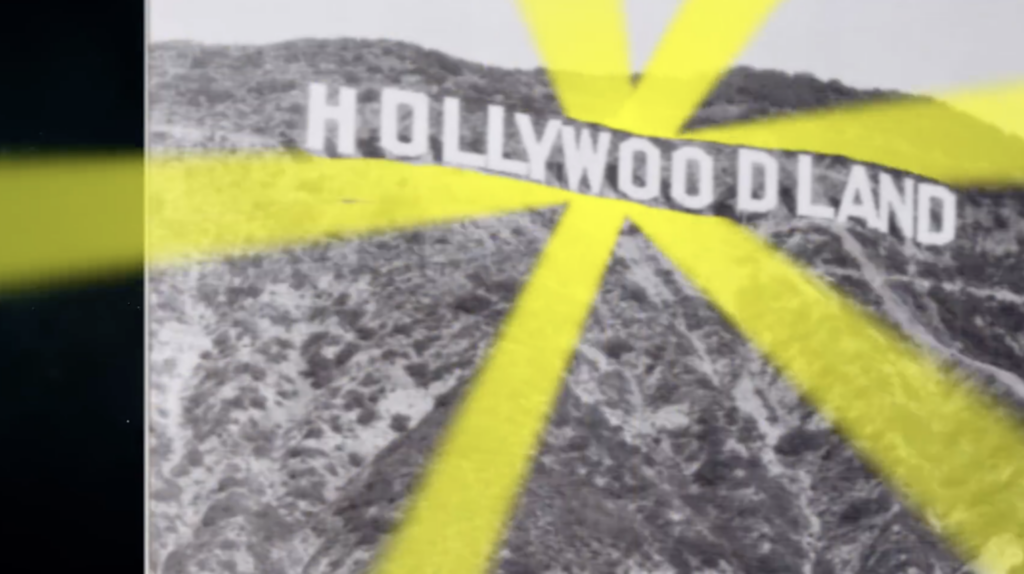
California courts were also less willing to enforce Edison’s patents.
That migration helped create the foundation of modern Hollywood.
Without Edison’s legal battles and tight grip on filmmaking, Hollywood may never have become the entertainment capital of the world. The movie industry could have developed somewhere entirely different, possibly remaining centered in New York or spreading across several cities instead of one global hub.
A Different Path to the Same Future
If Thomas Edison had never existed, the modern world would still have electric lights, batteries, recorded sound, and movies. Other inventors were already moving toward those breakthroughs.
But the journey would look different.
The entertainment industry might not revolve around Hollywood. The film business may have evolved more slowly or under entirely different leadership. Even small parts of everyday culture, like answering the phone with “Hello,” might never happen.
Edison’s real impact was not simply inventing devices. It was accelerating innovation, commercializing technology, and shaping industries that still dominate modern life today.
So while humanity would likely reach a similar technological future without him, the road there would have looked very different indeed.