You are sitting in a small boat in the middle of a quiet lake, fishing line stretched into the water. Everything feels calm.
Then something changes.
The air shifts. Your arm hair starts to rise. There is a strange metallic taste in your mouth, like you are holding a coin on your tongue. Far away, dark clouds appear almost out of nowhere.
You reel in your line faster. A second later, a blinding flash of white light strikes another boat nearby. The sound follows instantly, shaking the water.
Welcome to Lake Maracaibo, the most electrically active place on Earth.

The Most Electrified Place on the Planet
Lake Maracaibo is located in northwestern Venezuela and holds a Guinness World Record for the highest concentration of lightning strikes anywhere on Earth.
It is not just a stormy lake. It is a permanent lightning generator.
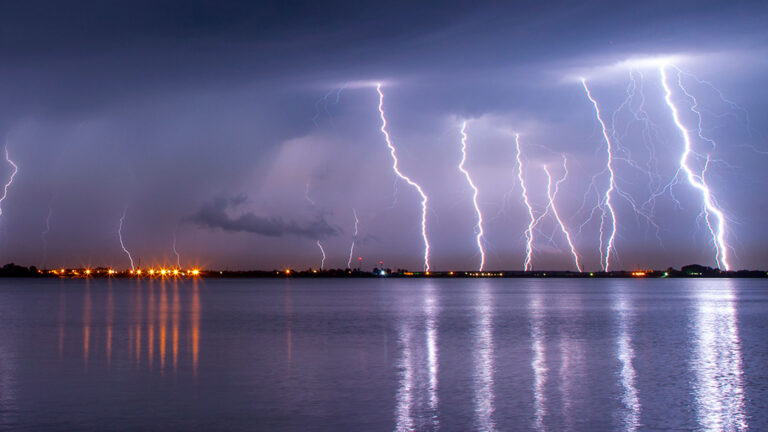
NASA estimates the lake experiences around 250 lightning flashes per square kilometer every year. At peak times, especially during the rainy season, lightning can strike up to 20 or even 28 times per minute.
This phenomenon is known as the “Catatumbo Lightning,” a near constant electrical storm that lights up the sky for hours at a time. The reason is geography.
Warm, humid air from the Caribbean Sea collides with cool air flowing down from the Andes Mountains. This constant atmospheric clash builds massive storm systems directly above the lake.
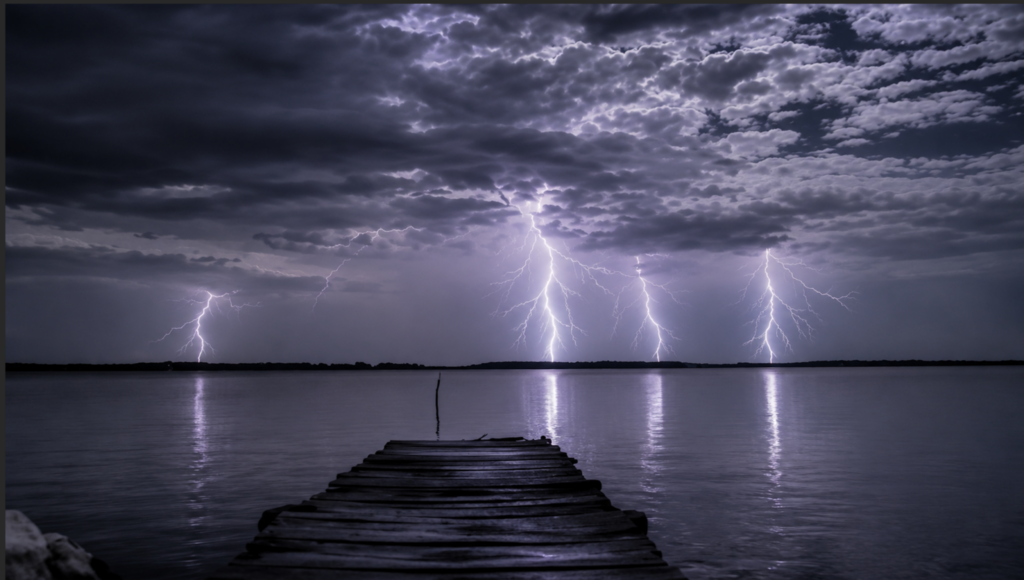
The result is a sky that never truly sleeps.
Life Beneath the Storm
Despite the danger, more than 20,000 fishermen work on Lake Maracaibo every day. For many, fishing here is not optional. It is survival.
But it comes with risk. Lightning strikes boats, water, and shoreline structures regularly. Some fishermen report near misses during almost every trip, especially at dusk when storm activity peaks.
Scientists have observed that lightning activity increases dramatically in the evening hours, sometimes reaching its highest intensity for up to nine straight hours. For those living here, the sky is not just weather. It is a warning system.
Step 1: Read the Sky Before It Reads You

Surviving Lake Maracaibo starts long before you ever step onto a boat.
Weather forecasts can help, but they are not always precise enough to predict localized storm cells that form directly over the lake. The first real warning signs are visual.
Tall, bright, rapidly forming clouds known as cumulonimbus clouds often signal that a thunderstorm is developing. If the sky begins to darken quickly and wind picks up, conditions are becoming dangerous.
Thunder is another warning that should never be ignored. If you can hear it, you are already close enough to be struck.
Step 2: The Body Knows Before the Strike
One of the strangest parts of lightning environments is how the human body reacts before a strike.
People often report a tingling sensation in the skin or the feeling that their hair is standing upright. This happens because the atmosphere becomes electrically charged.
Metal objects may begin to hum or vibrate. Some even report a faint chlorine like or metallic taste in the air, a sign that electrical conditions are building rapidly. These are not myths. They are physical reactions to intense electrical fields forming above the surface.
When these signs appear, seconds may be all you have left.
Step 3: Get Off the Water Immediately
If you are on the lake when these conditions appear, the priority is simple. Get to land.
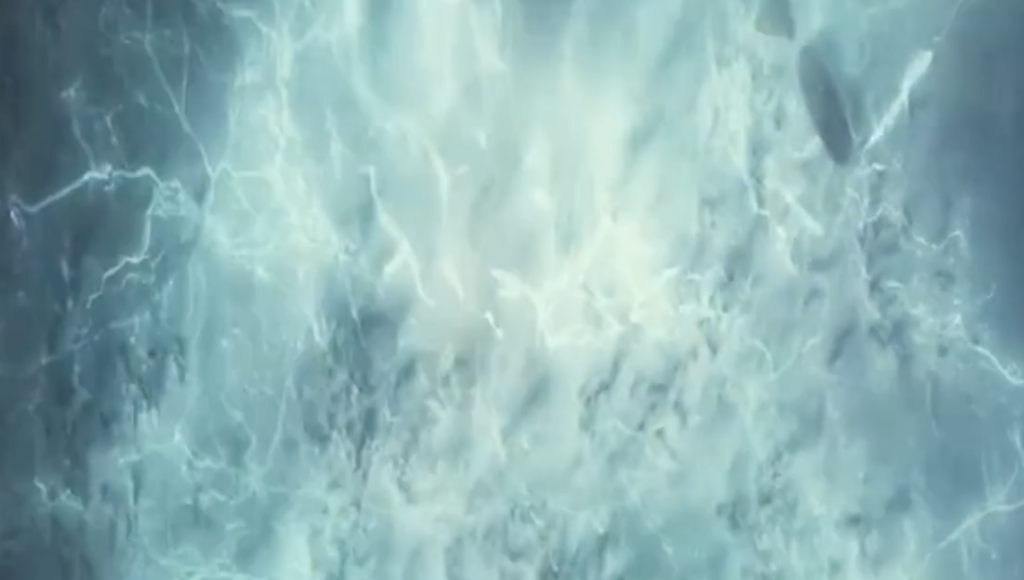
Water conducts electricity efficiently, and a boat often becomes the highest point in the area. That makes it a natural target for lightning.
If reaching shore is impossible, experts recommend dropping anchor and staying as low as possible in the center of the boat. Avoid touching metal surfaces and keep your body minimized.
Modern boats sometimes use lightning protection systems, including tall conductive masts connected to grounding plates, designed to redirect strikes away from passengers.
Still, no system is perfect in an environment this extreme.
Step 4: Find Proper Shelter
Once on land, the safest place is a fully enclosed building with wiring and plumbing, or a metal vehicle with windows closed.
These structures help redirect electrical energy safely into the ground.
If no shelter is available, avoid trees, poles, and open areas. Crouch low with minimal contact with the ground, covering your ears to protect against shockwave damage from nearby strikes.
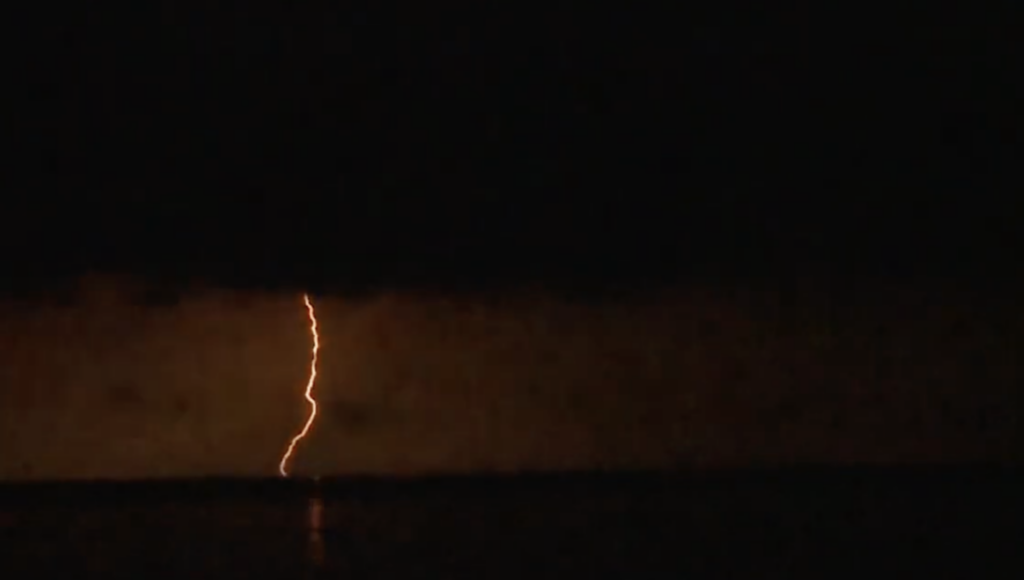
And always wait at least 30 minutes after the last sound of thunder before moving outside again.
Step 5: Understanding the Risk
Lightning strikes are not always fatal, but they are never harmless.
According to the National Weather Service, only about 10 percent of lightning strike victims die. The rest often suffer serious injuries including burns, nerve damage, hearing loss from ruptured eardrums, and cardiac complications.
Surviving a lightning strike is often just the beginning of recovery.