From deep oceans to hidden rainforests and underground tunnels, nature has created some of the strangest creatures ever discovered. At first glance, many of these animals look almost unreal, as if they belong in a science fiction movie rather than the natural world. But every one of them is real, and each has evolved unusual features that help it survive in its own unique environment. In this gallery, we explore 10 of the weirdest looking animals on Earth, from bizarre faced mammals and leaf shaped reptiles to deep sea oddities and insect like mysteries that continue to puzzle scientists.
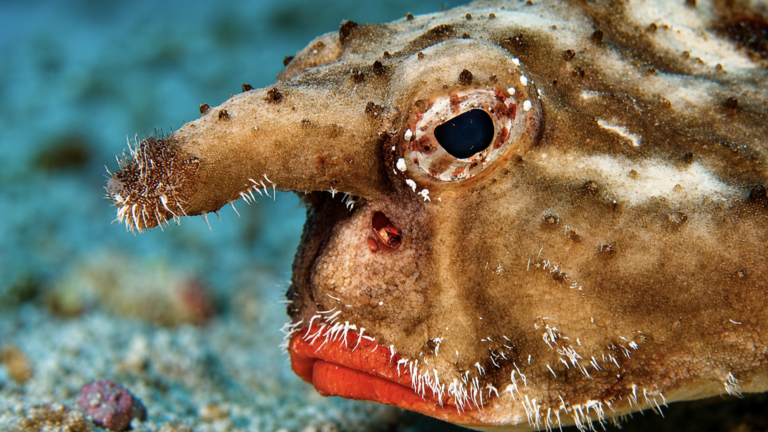
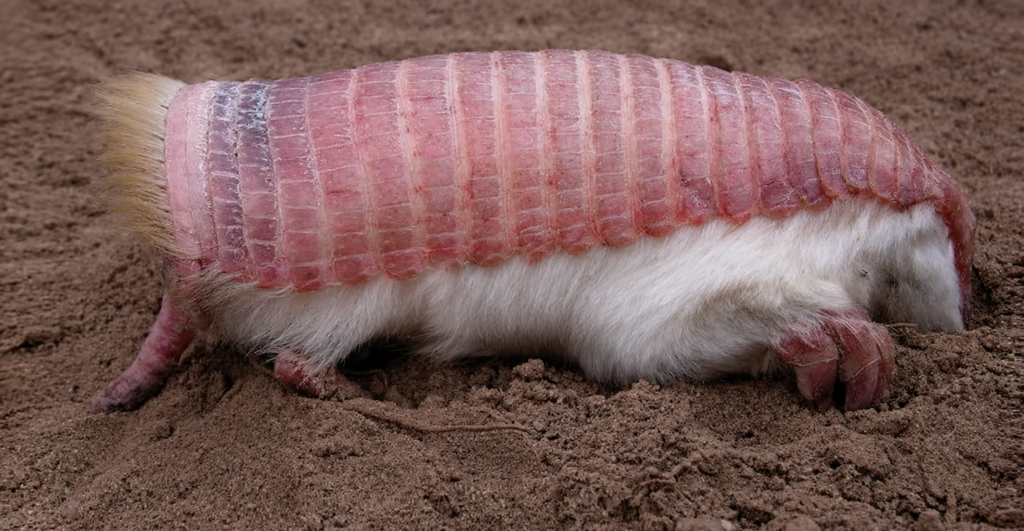
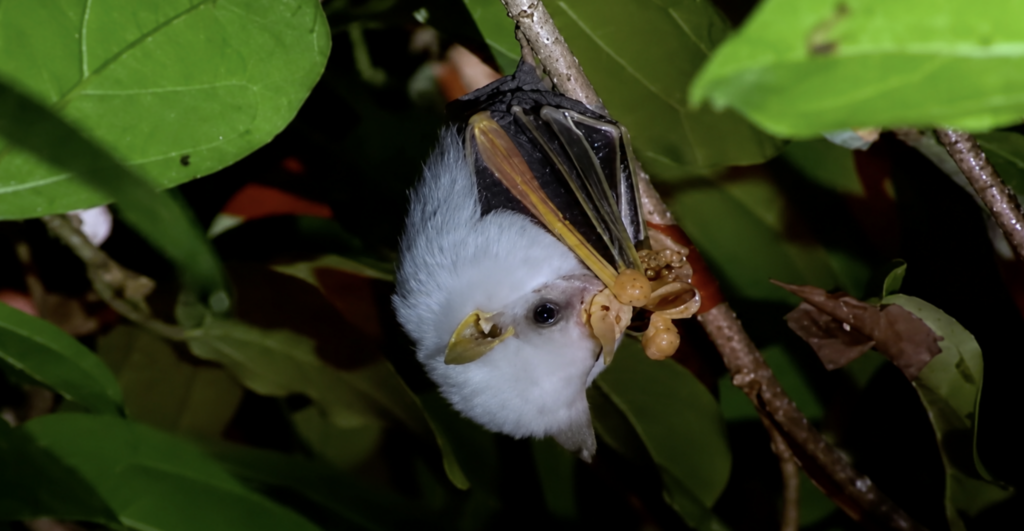
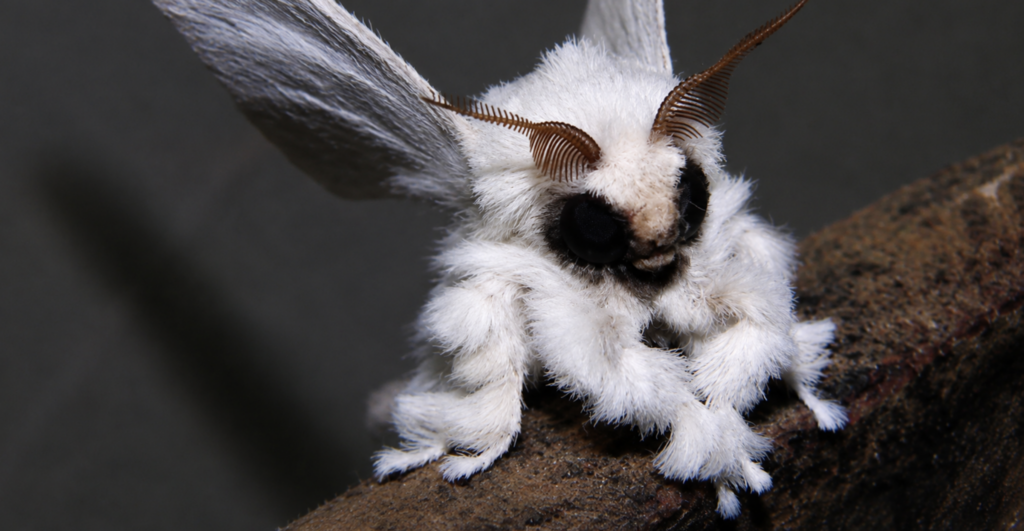
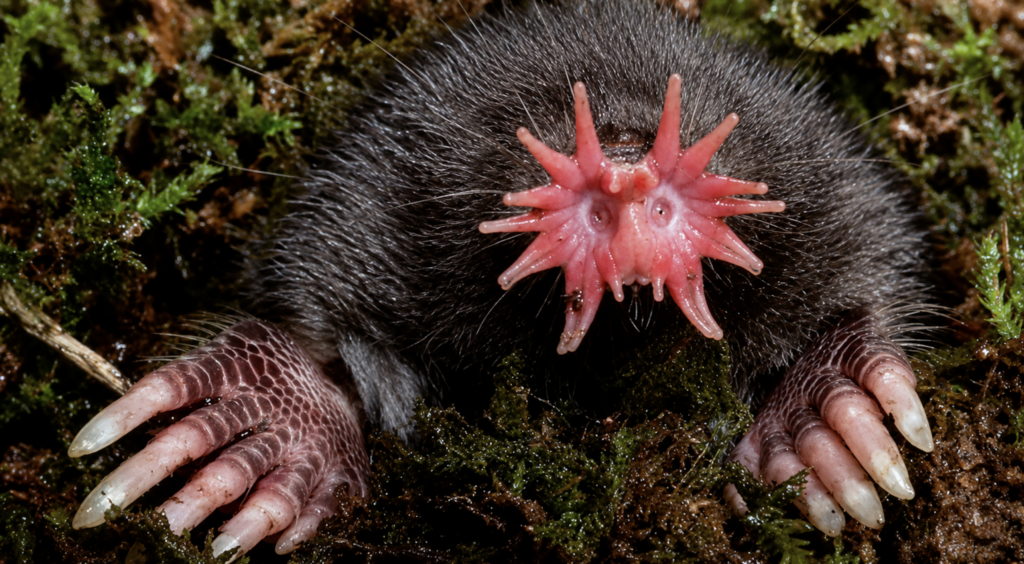
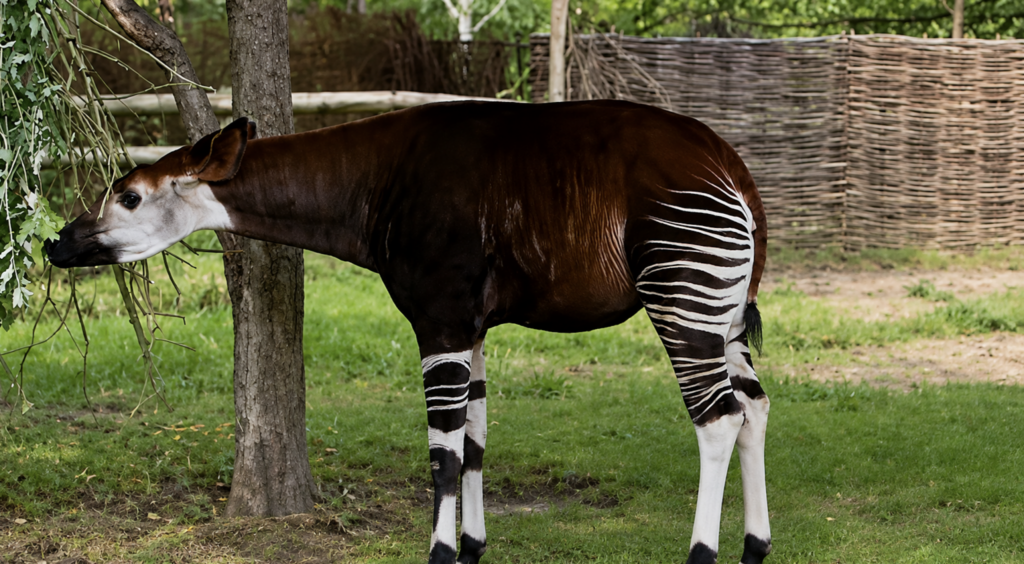
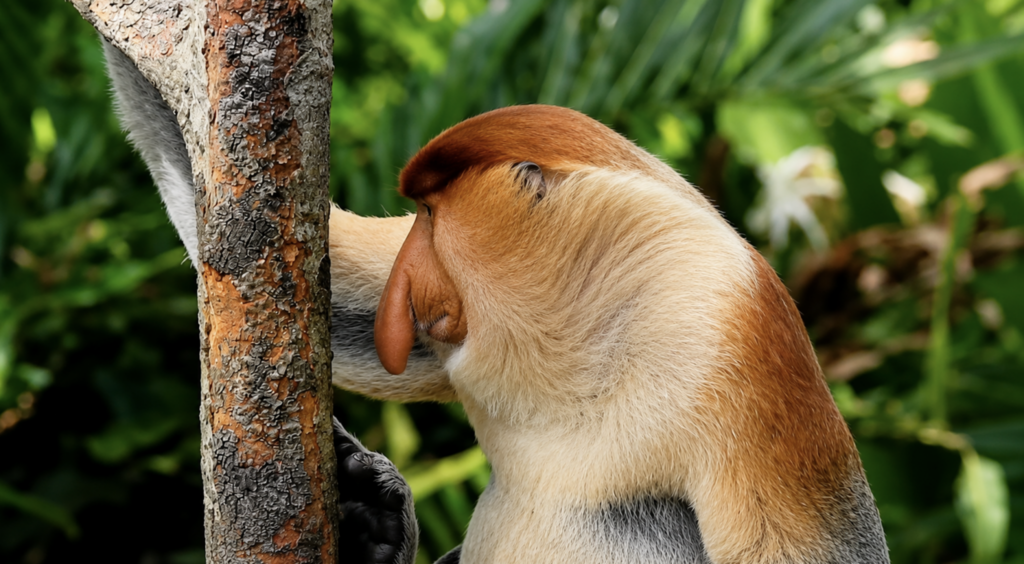
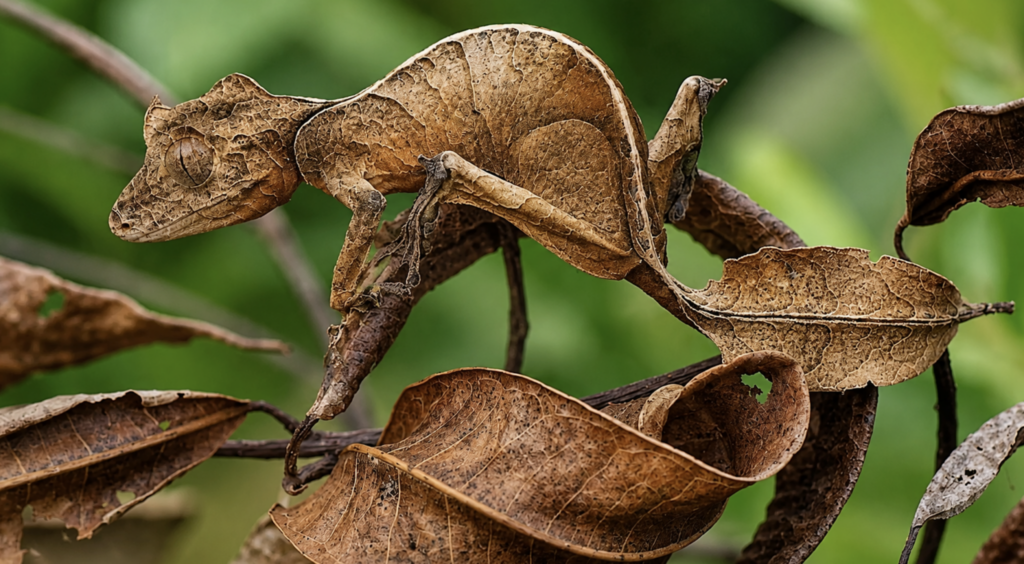
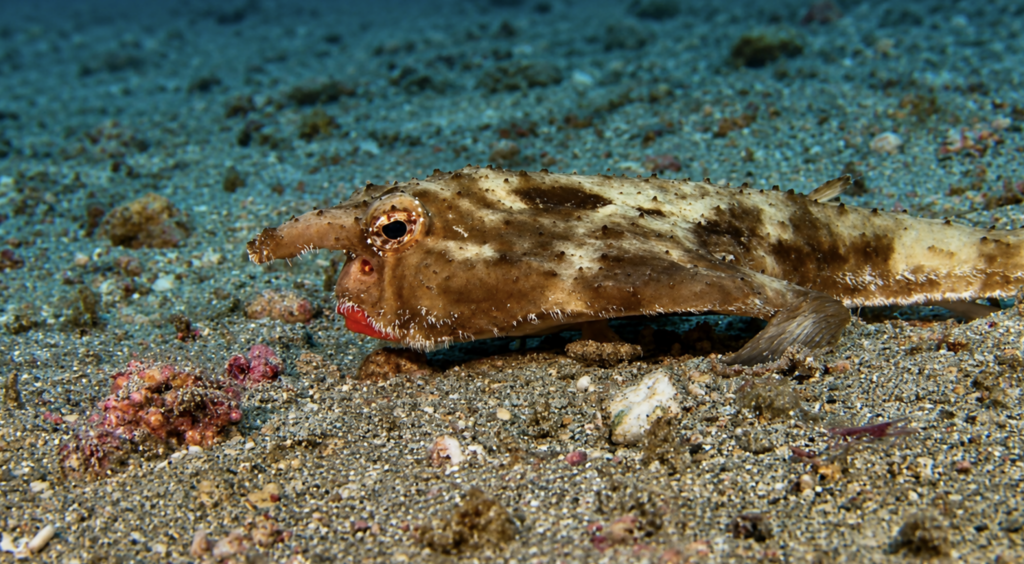
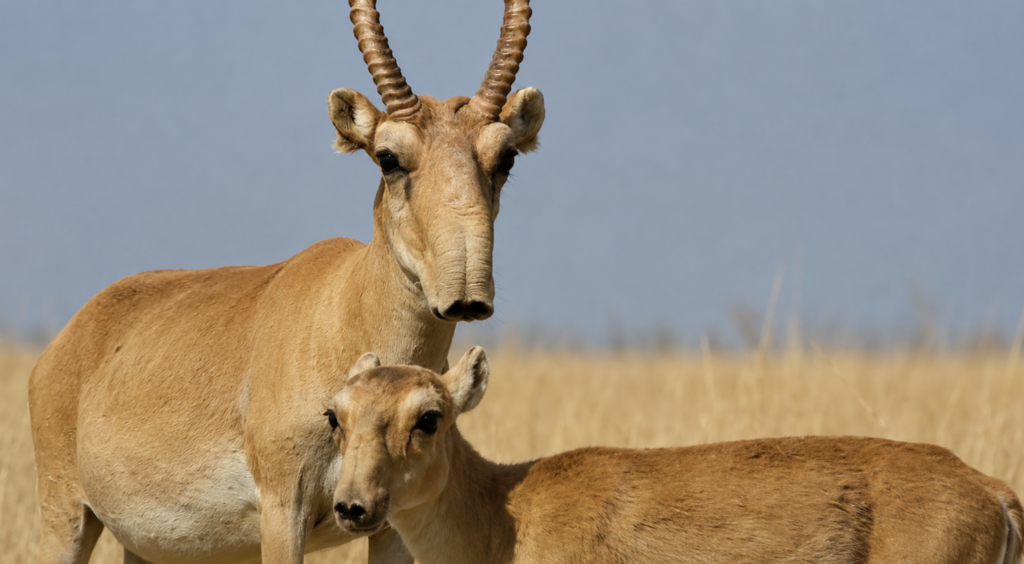
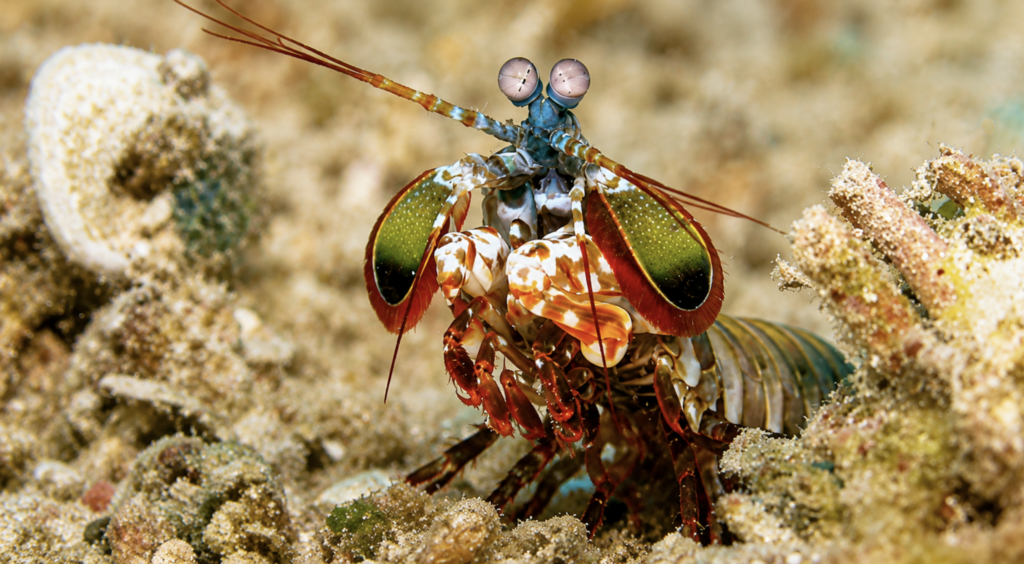
The pink fairy armadillo is one of the most unusual mammals on Earth, often described as looking almost unreal. Native to the sandy plains of Argentina, it is extremely small, with a soft pink shell and silky white fur along its sides. Unlike other armadillos, it spends most of its life underground, using powerful claws to dig through loose soil. Its reduced eyes suggest it relies more on touch and vibration than vision. Because it rarely surfaces, sightings are extremely rare, making it one of the most mysterious creatures in the animal kingdom. Its fragile appearance hides a highly adapted burrowing lifestyle built for survival underground.The Honduran white bat looks like something out of a fantasy story, with its bright white fur and leaf shaped nose. It is a very small species found in Central America, and it is famous for building tent like shelters out of large leaves. Unlike most bats, it has a fluffy appearance that makes it look almost like a tiny cotton ball with wings. Its yellow nose and ears stand out sharply against its white body. It feeds mainly on fruit and relies on group living for protection. Its unusual look helps it blend into light filtered forest environments.The Venezuelan poodle moth gained attention because it looks almost like a living plush toy. It has a thick, fluffy body covered in soft white hairs, giving it a cloud like appearance. Its large eyes and unusual wing shape make it look more like a cartoon creature than a real insect. First photographed in Venezuela, it remains poorly studied, adding to its mystery. Scientists believe its fuzzy coating may help with camouflage or protection from predators. Its strange, almost artificial appearance continues to confuse and fascinate people around the world.The star nosed mole is instantly recognizable due to its bizarre star shaped nose, made up of twenty two pink fleshy appendages. This unusual structure is highly sensitive and allows the mole to detect prey faster than the human eye can blink. It lives in wet underground tunnels across North America and spends most of its life in darkness. Despite its strange appearance, it is an extremely efficient hunter, feeding on insects and small aquatic creatures. Its star shaped nose is one of the most advanced touch organs in the animal world.The okapi looks like a mix between a zebra and a giraffe, but it is actually the closest living relative of the giraffe. Found deep in the rainforests of the Democratic Republic of Congo, it has a dark brown body with striking white striped legs that help it blend into dense vegetation. Its long tongue allows it to strip leaves from branches with ease. Although it appears exotic, it is very shy and rarely seen in the wild. The okapi remained unknown to science until the early twentieth century, adding to its mysterious reputation.The proboscis monkey is famous for its large, hanging nose, especially prominent in adult males. Found only on the island of Borneo, this monkey has a reddish brown coat and a round belly that gives it a unique silhouette. Its oversized nose is believed to help amplify vocal calls used to attract mates and communicate within groups. It is an excellent swimmer and often travels through mangrove forests and rivers. Despite its unusual appearance, it plays an important role in its ecosystem as a leaf eater and seed disperser.The leaf tailed gecko is a master of disguise, with a body shaped and colored to resemble a dead leaf or tree bark. Native to Madagascar, it uses its flattened body and jagged edges to blend perfectly into its surroundings. Even its tail looks like a decaying leaf, helping it avoid predators. At night, it becomes active and hunts insects. During the day, it remains motionless, relying entirely on camouflage. Its ability to disappear into plain sight makes it one of the most remarkable examples of natural adaptation.The roughback batfish looks almost comical, with a flat body, short fins, and a face that appears to frown. Found in deep ocean waters, it prefers to walk along the seafloor using modified fins instead of swimming. Its unusual body shape helps it survive in low light environments where speed is less important than stability. It feeds on small organisms on the ocean floor and often appears clumsy compared to other fish. Despite its awkward appearance, it is perfectly adapted to life in deep sea habitats.The saiga antelope is one of the most distinctive mammals in the world, mainly because of its large, flexible nose. This unusual nose helps filter dust in summer and warm cold air in winter. Found in the grasslands of Central Asia, it travels in large herds across open landscapes. Its appearance gives it an almost prehistoric look, as if it belongs to another time. Sadly, it has faced serious population declines due to hunting and disease. Conservation efforts are now helping protect this unique species.The peacock mantis shrimp is one of the most colorful and powerful creatures in the ocean. Its body displays bright shades of green, blue, orange, and red, making it look almost artificial. But its beauty hides incredible strength. It can strike prey with the speed of a bullet, using club like appendages capable of breaking shells and even aquarium glass. It also has some of the most advanced vision in the animal kingdom, able to detect polarized light and colors humans cannot see. It is both beautiful and extremely dangerous in its underwater world.
The Paleozoic Era represents one of the most transformative periods in Earth’s history, spanning approximately 289 million years from 541 to 252 million years ago...
Imagine an ultimate road trip across the globe. On a highway along the equator. Wait, there is no highway along the equator… yet. So how about we build one? What...
What would happen if you obtained space-bending abilities and decided to test them out by placing Earth between the two asteroid belts in our Solar System? The short...
Ashes and smoke cover the sky. Your hometown is sieged by massive wildfires. You rush to escape. Unaware that behind you, the wind and the heat have created a monster. A...
From a world shaped like a giant donut to a planet with the sharp edges of a perfect cube, changing the shape of Earth would dramatically alter how we live, move...
Our planet is on the brink of another world war. As a civilian, you feel like the only thing you can do is wait for updates on what will happen next. But then you see a...
Imagine pulling into a drive through and seeing Woolly Rhino burgers on the menu. It might sound strange today, but thousands of years ago, our ancestors depended on...
Deep beneath the thick layer of million-year-old ice, something is lurking quietly, waiting to rip through the rigid ice sheets. This enormous icy wasteland is sitting...
It may sound like science fiction, but imagining a battle between a gas giant and a black hole helps us understand just how fragile our Solar System really is. Such a...