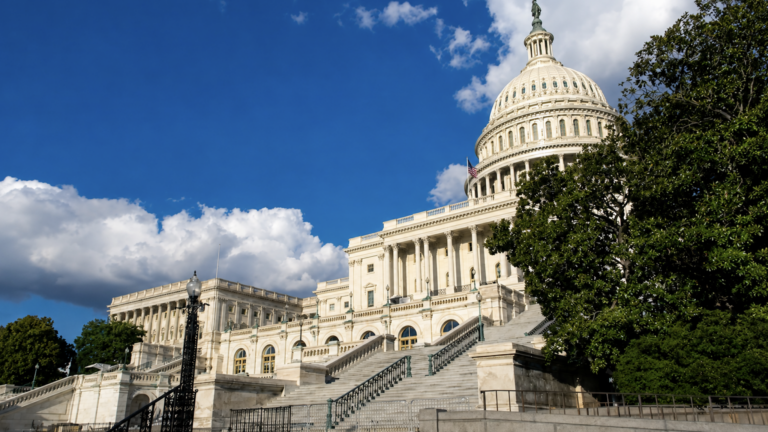
Washington, D.C. is more than just the capital of the United States. It is the center of American political power, home to the White House, Congress, the Supreme Court, and numerous federal agencies.
Because of its symbolic and strategic importance, it has long been considered one of the most likely targets in any hypothetical nuclear attack scenario.
Nuclear weapons vary dramatically in size and destructive power. Some of the smallest ever deployed, such as the Cold War era Davy Crockett nuclear device, had a relatively limited blast radius. On the other end of the spectrum was the Soviet Union’s Tsar Bomba, the largest nuclear weapon ever detonated, capable of causing devastation on an unprecedented scale.
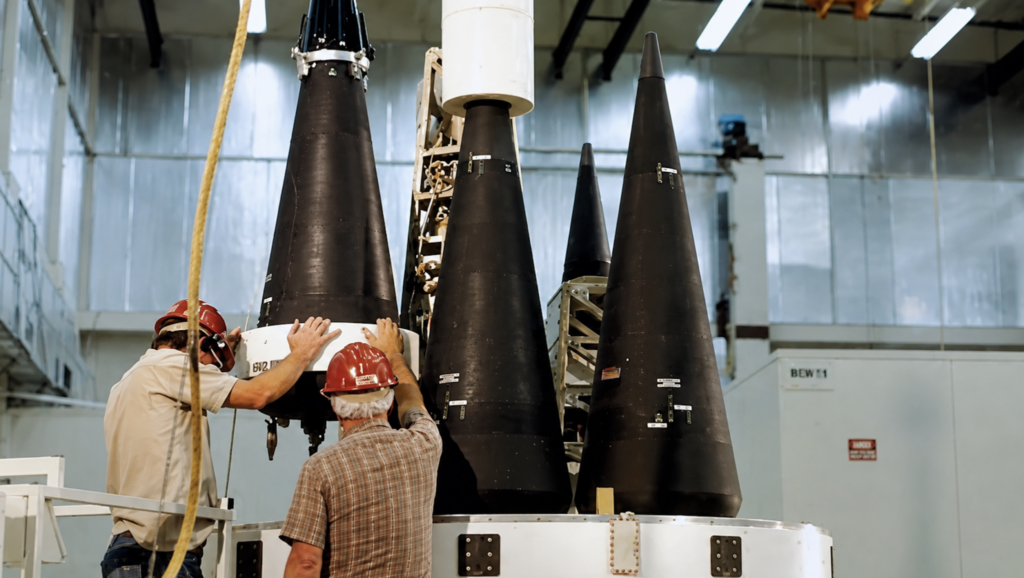
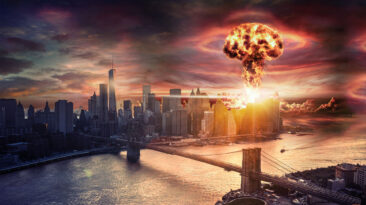
For this scenario, imagine a 10 kiloton nuclear weapon exploding in the heart of Washington, D.C. While smaller than many modern nuclear warheads, it would still unleash destruction comparable to one of the most infamous bombs in history.
The detonation would begin with a blinding flash of light brighter than the sun. Temperatures near the center of the explosion would instantly reach several million degrees. Buildings closest to the blast would be vaporized in an instant, while surrounding structures would collapse under the force of the shockwave.
Within seconds, shattered glass, metal fragments, and debris would be hurled across the city at deadly speeds. The power grid would fail almost immediately, plunging large sections of the region into darkness. An electromagnetic pulse generated by the explosion could disable countless electronic devices and communication systems, making coordination of emergency efforts extremely difficult.
In the chaotic moments that followed, human instinct could create additional dangers. Many people would rush toward the blast zone in search of family members and friends. Others would attempt to flee by car, creating massive traffic jams. Experts consistently emphasize that the safest place immediately after a nuclear detonation is often a sturdy underground shelter or concrete basement rather than a vehicle on the road.
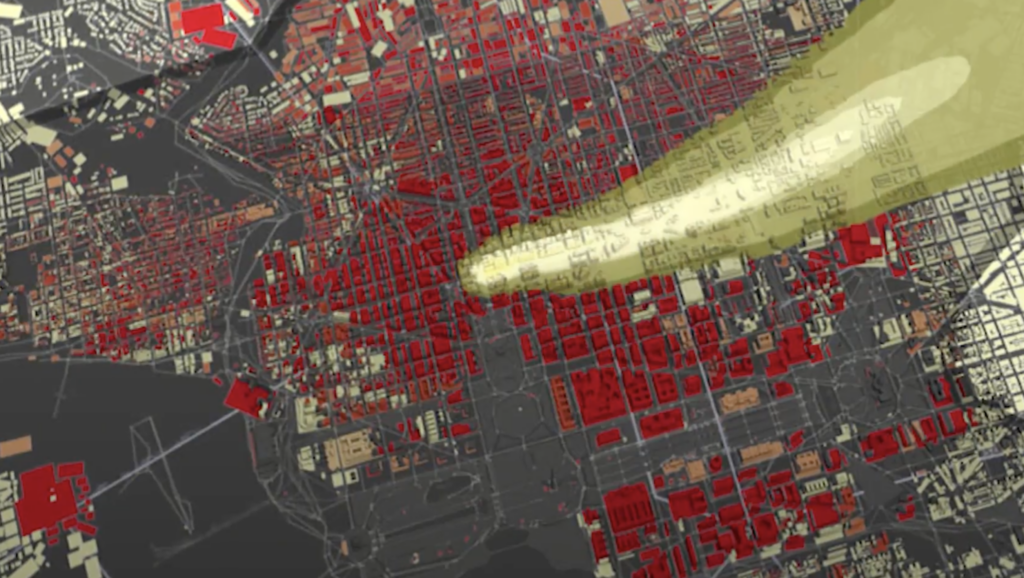
The threat would not end with the explosion itself. Radioactive fallout would quickly become one of the greatest dangers. High altitude winds could carry contaminated dust and debris far beyond the city limits. Depending on weather conditions, radioactive particles could travel dozens of miles in a relatively short period of time.
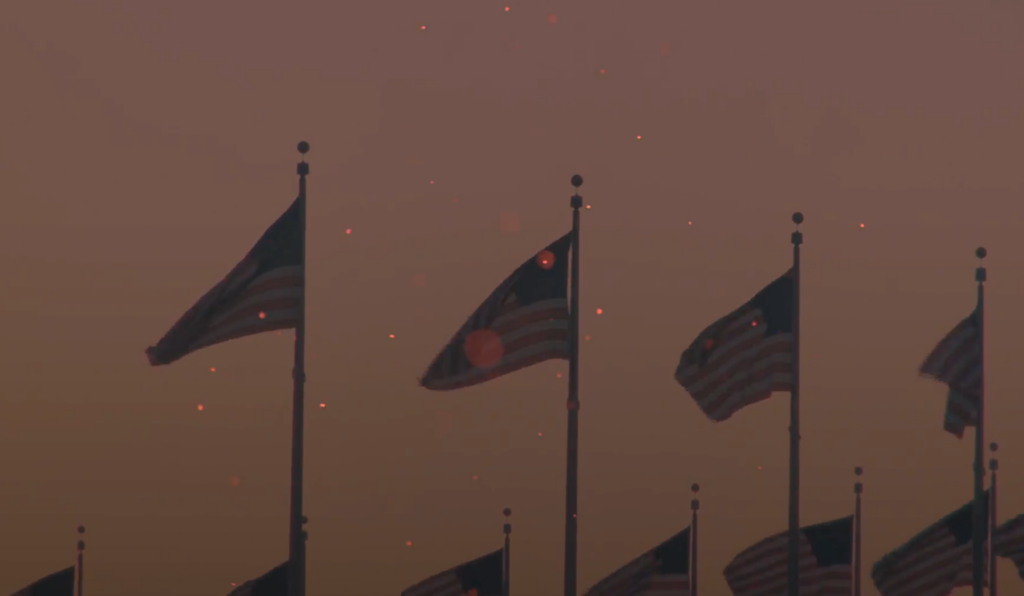
People living miles from the blast might have only minutes to find adequate shelter before fallout begins to arrive. Exposure to this radioactive material could significantly increase the risk of radiation sickness and long term health complications, including cancer. Fallout may appear as dust, ash, or even contaminated rainfall, making it difficult for people to recognize the danger without official warnings.
Emergency alert systems would immediately begin broadcasting instructions through every available channel. However, managing an evacuation of the affected region would be one of the largest logistical challenges in American history. First responders would be forced to balance rescue operations with efforts to control hundreds of fires burning across the city.
For several days after the explosion, millions of people in surrounding areas could be advised to remain indoors or inside designated shelters. Authorities would likely organize phased evacuations to reduce congestion and limit exposure to contaminated areas.
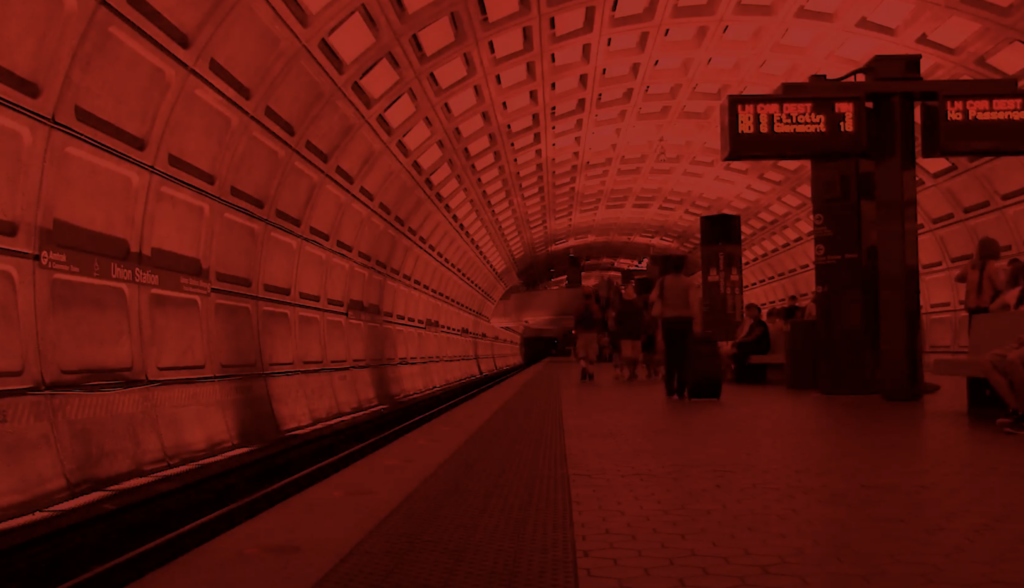
Beyond the humanitarian disaster, the attack would trigger a major constitutional and political crisis. Many of the nation’s most important government buildings would likely be damaged or destroyed. If senior leaders were unable to reach secure locations before the attack, succession plans would immediately take effect.
The presidency would pass to the next eligible official in the line of succession if necessary. Military commanders would rapidly fill vacant leadership positions, while state governments would begin appointing replacements for members of Congress who were killed or incapacitated. Within hours, efforts would be underway to restore continuity of government and maintain national stability.
The economic impact would be severe. Financial markets would likely experience immediate turmoil, while infrastructure damage would cost hundreds of billions of dollars.
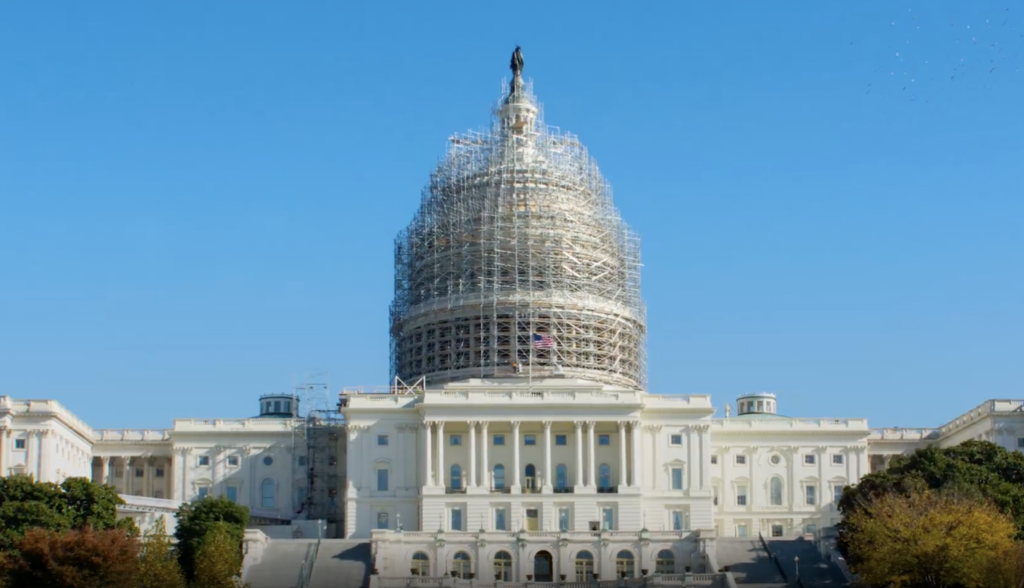
Industries across the northeastern United States could face significant disruptions. Yet history suggests that large economies often recover from catastrophic events over time, particularly when reconstruction efforts generate massive investment and employment.
Perhaps the greatest uncertainty would be how the United States responds. A nuclear attack on the nation’s capital would place enormous pressure on political and military leaders to retaliate. Any response would carry profound consequences not only for the United States but for the entire world.
A nuclear detonation in Washington, D.C. would be one of the most devastating events in modern history. The immediate loss of life, long term health effects, political upheaval, and global consequences would reshape the course of the twenty first century. While such a scenario remains highly unlikely, it serves as a reminder of the destructive power of nuclear weapons and the importance of preventing their use.