California. Northeast Ohio. Tasmania. Buffalo. Upstate New York. New England.
In the first months of 2026, the sky has been falling, over and over again.
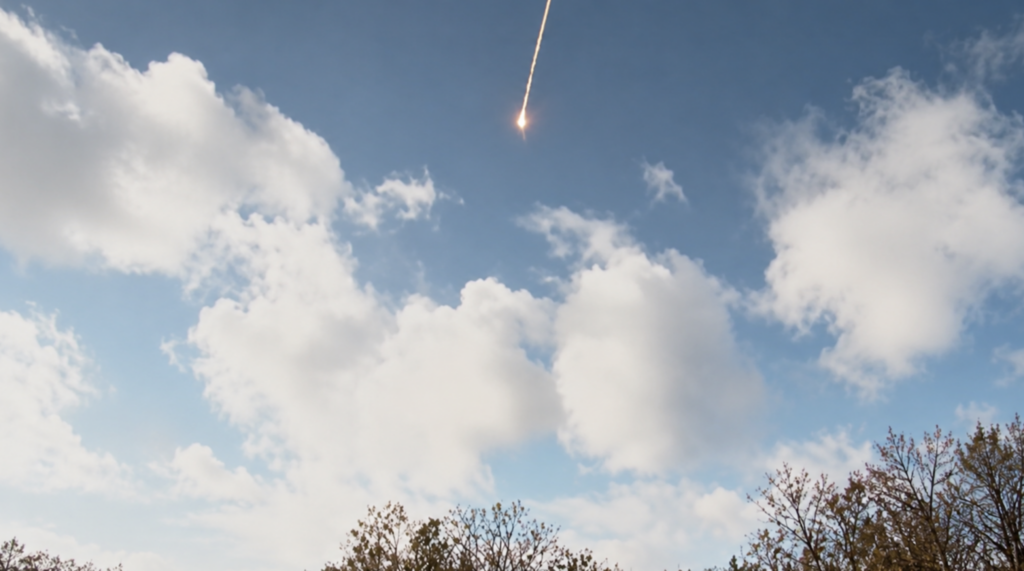
Sonic booms rattling windows. Fireballs tearing across the daytime sky. Astronomers are now working to understand what’s driving this unusual cluster of major fireball events. The American Meteor Society says roughly one large fireball event producing an audible boom has been occurring every three days.
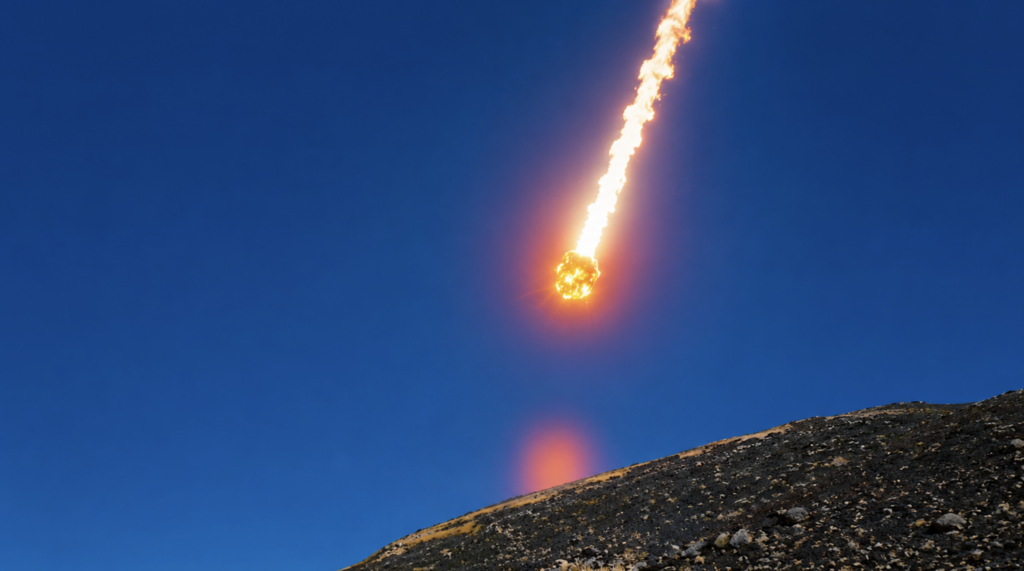
The most dramatic? Just days ago, a rock the size of a car hit our atmosphere at 42,000 miles per hour and exploded with the force of 300 tons of TNT, sending a meteorite crashing into Cape Cod Bay.
These were small. These were random. These, we survived. But what if it wasn’t just one? What if it wasn’t just random?
These events were relatively small. They appeared random. Humanity endured them without serious consequences. But what if the next one was not small? What if these events were not random at all?
The Science Behind The Boom
To understand why these events capture so much attention, it helps to understand the physics involved.
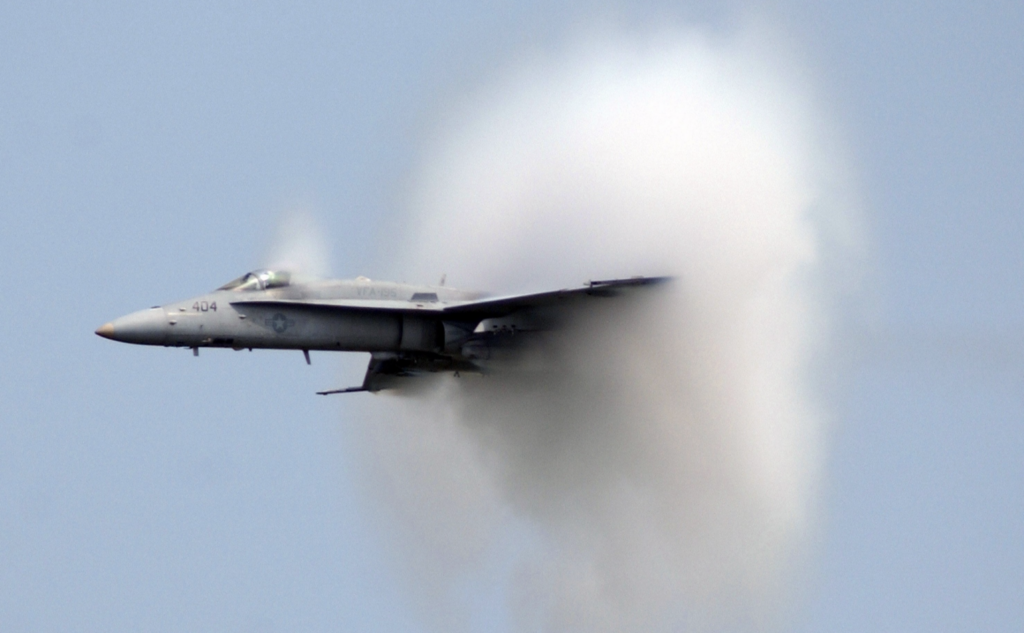
A sonic boom is the thunder like sound produced when an aircraft or other object travels faster than the speed of sound. As the object moves through the atmosphere, it forces air molecules aside, creating a powerful shockwave similar to the wave that forms at the front of a speeding boat.
This shockwave creates a cone of compressed air that extends downward to the ground. When that sudden pressure change reaches an observer, it is heard as the familiar boom.
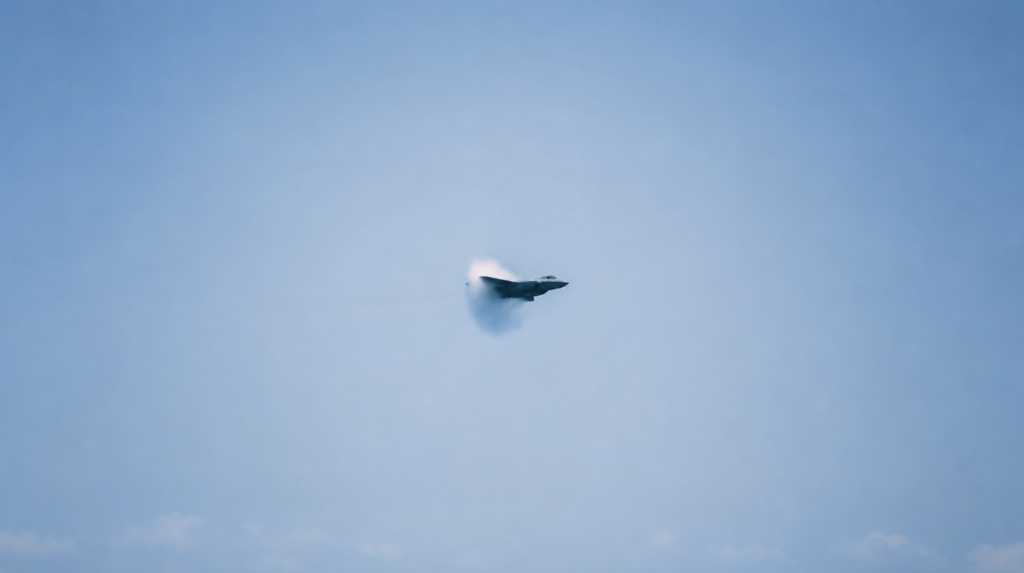
For most supersonic aircraft, the pressure increase is relatively small, often only one or two pounds per square foot. That is roughly comparable to the pressure change experienced during an elevator ride. The reason it sounds so dramatic is the speed at which the pressure changes.
As the intensity increases, however, the dangers become more serious. Human eardrums can suffer damage under extreme overpressure conditions, while even greater pressures can cause significant injury to the lungs and other internal organs.
The Rise Of Acoustic Warfare
As global tensions continue to rise, some experts have begun discussing a troubling possibility: the weaponization of sound.
Sonic and ultrasonic weapons are directed energy systems designed to injure, disrupt, or incapacitate targets using intense sound waves. For years, law enforcement agencies and military organizations have used Long Range Acoustic Devices, often called LRADs, for crowd control and anti piracy operations.
Recent events have renewed interest in these technologies.
Following the 2026 United States intervention in Venezuela, reports emerged claiming that military personnel suffered injuries that some observers believed were consistent with acoustic weapon effects. Witnesses described what they called a secret weapon capable of disrupting defenses and incapacitating individuals. Although official information remains limited, speculation surrounding these reports has fueled concerns about the future of acoustic warfare.
Questions have also been raised about the 2025 Belgrade stampede, where some sources alleged that a sonic device may have contributed to widespread panic. These claims remain controversial and unconfirmed, but they highlight growing fears about the potential use of sound as a weapon.
Could A Sound Bomb Exist?
The idea of a sound bomb sounds like science fiction, yet researchers have long explored the effects of extremely powerful acoustic waves.
The basic concept involves generating shockwaves through intense sound energy rather than through chemical explosives. Unlike traditional bombs, which release energy through combustion, a sound bomb would rely on concentrated acoustic force.
At sound levels above 160 decibels, the consequences become severe. Exposure could potentially result in ruptured eardrums, damage to internal organs, and even trauma to brain tissue. At such extreme levels, sound no longer behaves like ordinary noise. Instead, it begins to act more like a physical shockwave.
In liquids, these shockwaves can produce a phenomenon known as cavitation. Tiny bubbles form and collapse violently, releasing bursts of energy so intense that they can even produce flashes of light. Scientists call this effect sonoluminescence.
The Limits Of Physics
The obvious question is whether sound could ever become as destructive as a nuclear weapon.
In theory, matching the energy released by a 15 kiloton atomic bomb would require a sound pressure level of roughly 198 decibels. The problem is that physics imposes strict limitations.
Air can only support sound pressures up to around 194 decibels before the sound wave transforms into a shockwave. Beyond that point, the atmosphere can no longer carry sound in a conventional manner. Instead, the wave behaves more like an explosive force.
To equal the energy of a one megaton TNT explosion within a single square meter would require approximately 276 decibels, a level considered physically impossible under known atmospheric conditions.
A New Frontier Of Fear
So should we be worried?
The cluster of fireball events seen in 2026 may ultimately prove to be nothing more than a rare astronomical coincidence. Yet the technologies capable of transforming sound into a weapon are very real and continue to evolve.
The progression from relatively harmless deterrent devices, such as the Mosquito systems designed to disperse groups of teenagers, to potentially lethal acoustic weapons represents a new chapter in military and security technology.
Unlike a nuclear explosion, a hypothetical sound bomb would not leave radioactive contamination behind. Recovery could therefore be much faster. However, the immediate damage to people, buildings, and infrastructure within its effective range could still be devastating.
As reports of sonic booms and fireballs continue to capture public attention, one unsettling question remains. The next time windows begin to rattle and a thunderous boom echoes overhead, will it be another visitor from space, or a glimpse into a future shaped by acoustic warfare?