For more than four decades, scientists believed it was gone forever.
No sightings. No evidence. No surviving populations. An entire species appeared to have vanished from the face of the Earth. It was added to the growing list of animals and insects lost to extinction, seemingly erased by a disaster that unfolded on a remote island in the middle of the ocean.
Then, against all odds, a discovery was made in one of the most unlikely places imaginable.
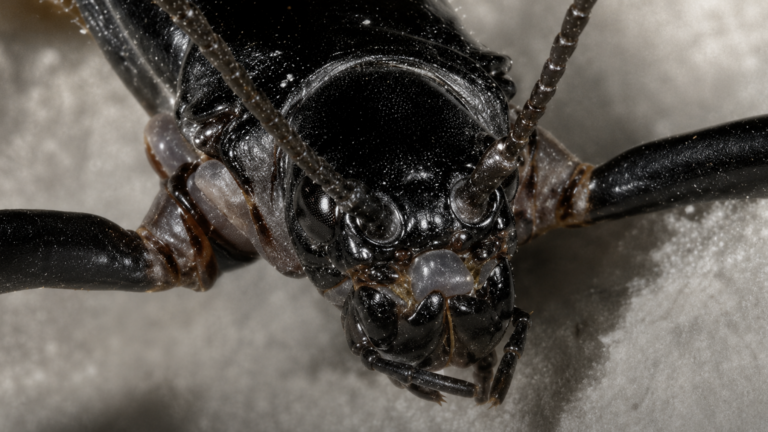
The creature at the center of this story is the tree lobster, one of the rarest insects ever known. Despite its name, it is not a lobster at all, but a large stick insect known scientifically as Dryococelus australis.
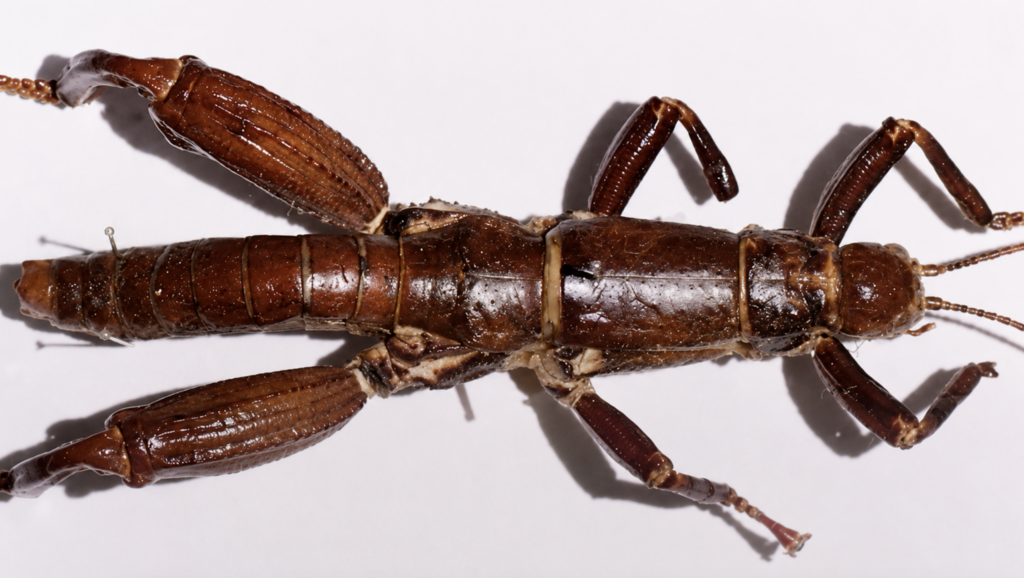
Growing up to six inches long, the tree lobster once thrived on Lord Howe Island, a small volcanic island located in the Tasman Sea between Australia and New Zealand.
For thousands of years, the insect lived undisturbed in this isolated paradise. It could not fly and could not swim, but it had little reason to fear predators. In fact, tree lobsters were once so abundant that local fishermen commonly used them as bait.
Everything changed in 1918.
That year, a supply ship ran aground near Lord Howe Island. While the wreck itself was unfortunate, the real disaster came from its unintended passengers. Rats escaped from the stranded vessel and quickly established themselves on the island.
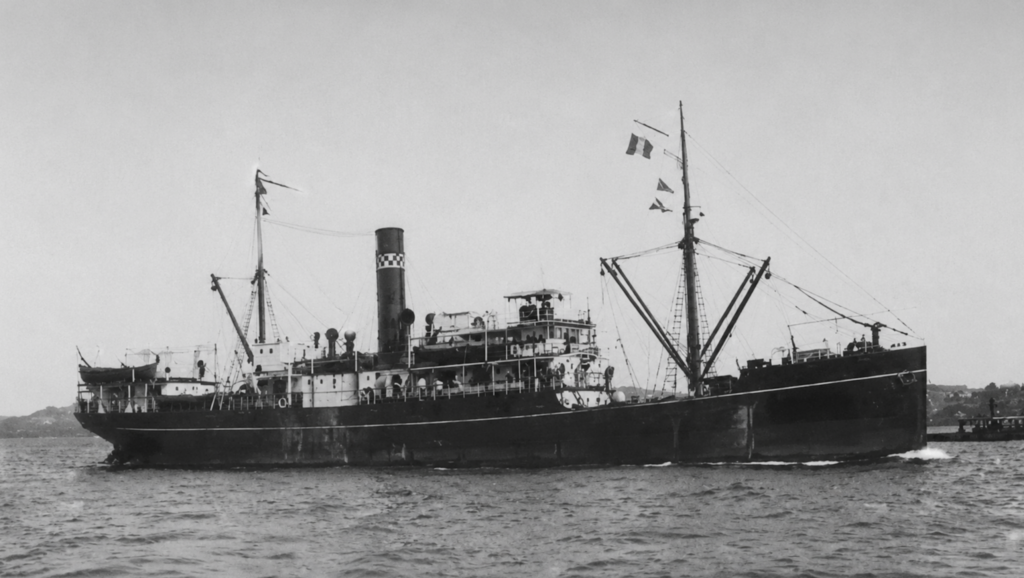
The impact was devastating.
With no natural predators to keep them under control, the rat population exploded. They preyed on native wildlife, consuming eggs, chicks, insects, and countless other species. The flightless and defenseless tree lobster became one of their easiest targets.
Within just two years, the insects had disappeared from Lord Howe Island.
Decade after decade passed without a single confirmed sighting. By 1960, after more than 40 years of absence, scientists officially declared the tree lobster extinct.
Or so they thought.
In 2001, a remarkable expedition changed everything.
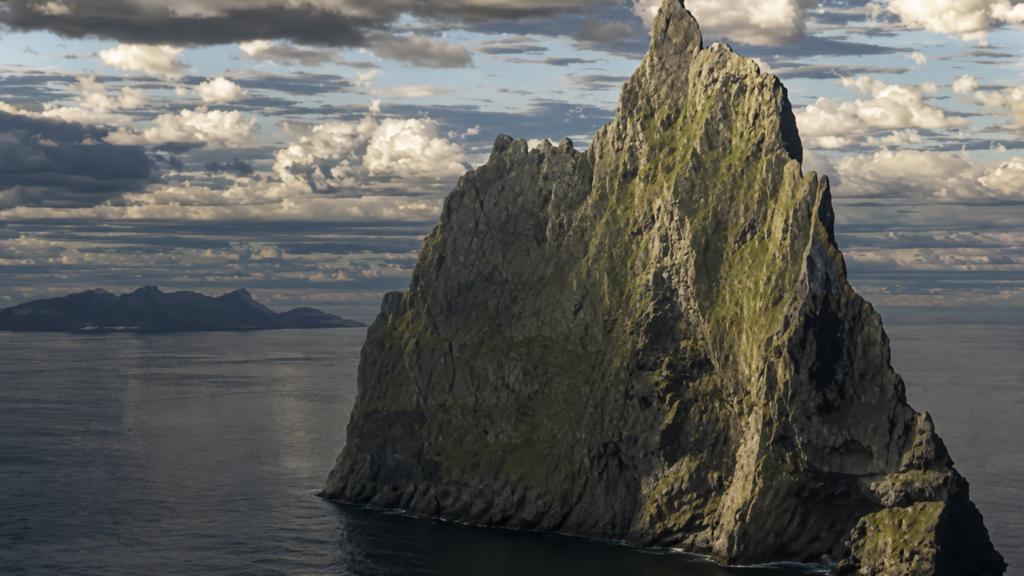
Roughly 12 miles southeast of Lord Howe Island stands Ball’s Pyramid, the tallest volcanic sea stack in the world. Rising dramatically from the ocean, its steep cliffs appear almost completely inhospitable to life.
Yet two scientists suspected that if the tree lobster had somehow survived, this isolated rock formation might be its last refuge.
The researchers climbed approximately 500 feet up the rugged volcanic stack in search of evidence. What they found stunned the scientific community.
Hidden among a small patch of vegetation was a tiny surviving population of tree lobsters. The insects were clustered around a single tea tree, feeding and reproducing in one of the most isolated habitats on Earth.
A species believed extinct for decades was alive.
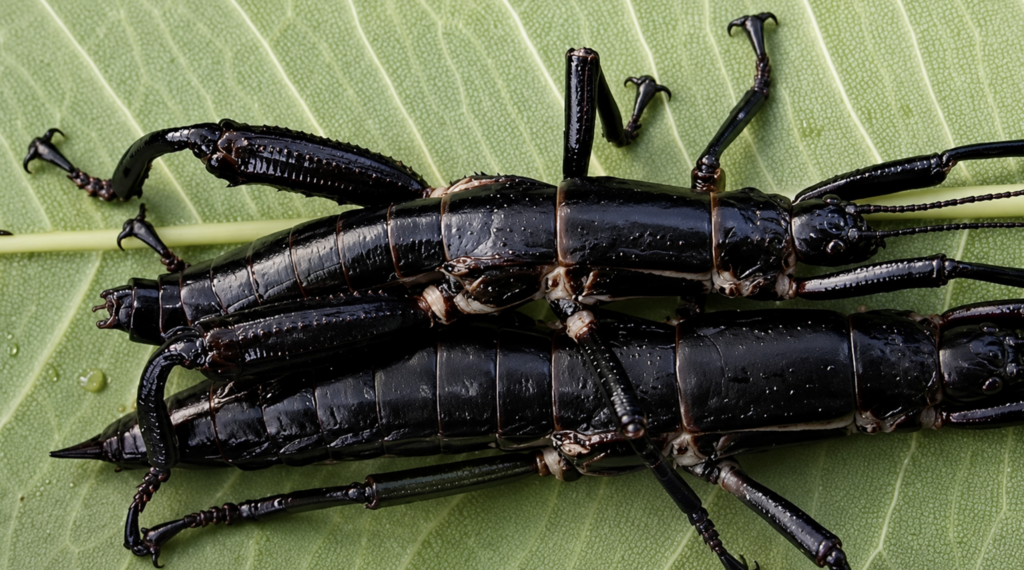
The discovery instantly became one of the most extraordinary examples of a so called “Lazarus species,” an organism that reappears after being presumed extinct.
To ensure the insect’s survival, scientists carefully collected two breeding pairs and began a captive breeding program. The effort proved incredibly successful. Over time, those few survivors produced hundreds of adult insects and thousands of eggs, creating a growing population that could eventually be returned to the wild.
Meanwhile, conservation efforts continue on Lord Howe Island itself. The invasive rats remain a serious threat and have already contributed to the loss of five bird species and at least 12 native invertebrate species. Officials have been working to eliminate the rat population and restore the island’s fragile ecosystem.
After being driven to the brink of extinction and surviving for decades on a lonely volcanic rock in the middle of the ocean, the tree lobster could finally return to the island it once called home.
What was once considered one of Earth’s rarest lost insects may soon reclaim its place in the wild.