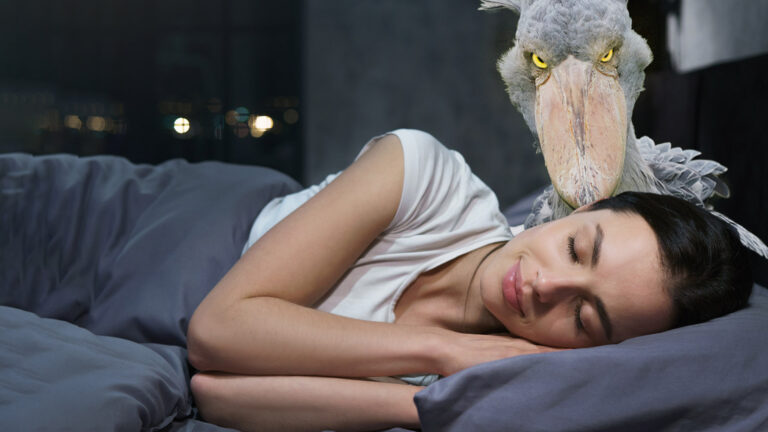
The natural world is full of incredible creatures. Some are beautiful. Some are fascinating. And then there are the ones that look like they crawled straight out of a nightmare.
From ancient sharks with extendable jaws to giant worms that ambush their prey from underground, nature has produced some truly terrifying animals. The worst part? Most of them are completely real.
So if you’re easily creeped out, consider this your warning. Here are five animals that might just haunt your dreams tonight.
5. The Shoebill Stork
At first glance, the shoebill stork looks less like a bird and more like a dinosaur that somehow survived extinction.
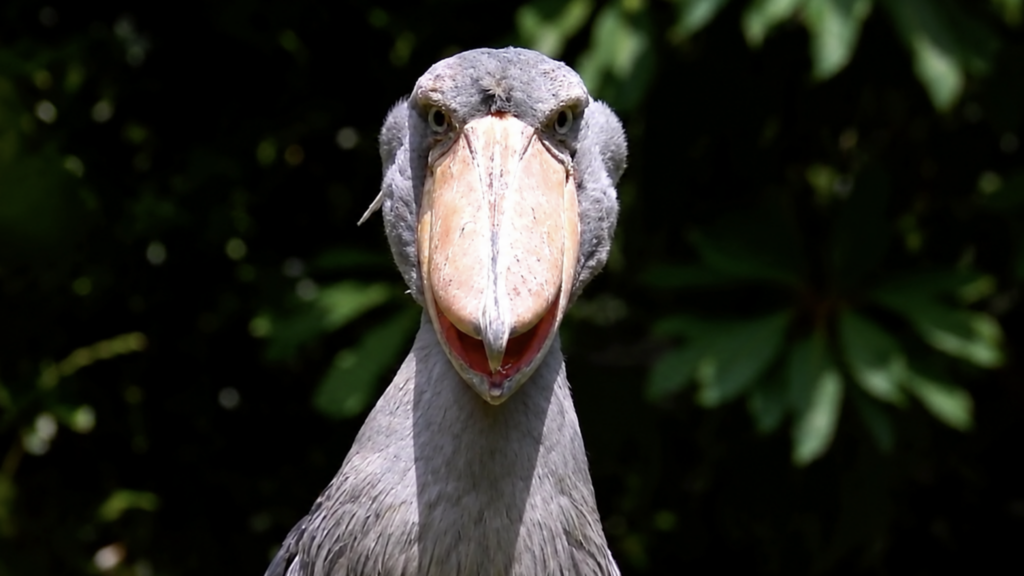
Standing over four feet tall, this massive African bird possesses one of the largest bills in the animal kingdom. That bill is not just for show. It is powerful enough to grab large prey and has even been known to kill baby crocodiles.
But what really unsettles people is its behavior.
Shoebills can stand perfectly still for hours, waiting for the perfect moment to strike. During this time, they often stare directly ahead with an expression many people describe as a “death stare.”
Adding to their eerie reputation is the sound they make. When they rapidly clatter their giant bills together, it sounds remarkably similar to a machine gun.
And if that wasn’t strange enough, shoebills cool themselves by defecating on their own legs, a behavior known as urohidrosis.
Nature is weird.
4. The Giant Centipede
If regular centipedes make your skin crawl, you’re definitely not going to enjoy this one.
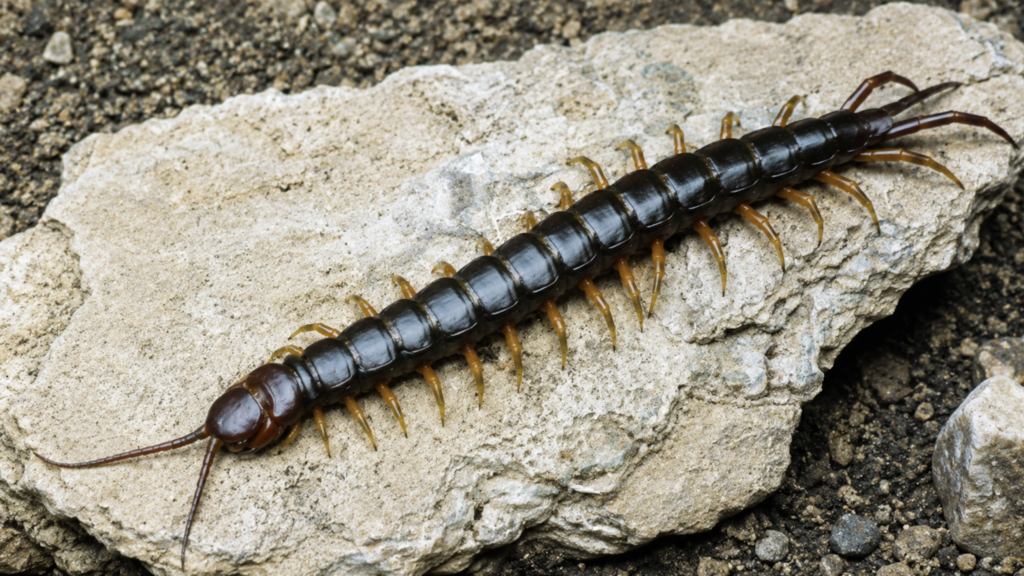
The giant centipede is one of the largest and most intimidating arthropods on Earth. Some species can reach lengths of nearly 30 centimeters, making them longer than many snakes.
But size isn’t the scary part.
These predators possess a powerful venom that affects the nervous, respiratory, and cardiovascular systems of their victims. Their venom allows them to take down animals much larger than themselves.
Frogs, lizards, rodents, and even bats can end up on the menu. In fact, giant centipedes have been observed climbing cave walls and attacking sleeping bats directly from the ceiling.
That’s the kind of thing you’d expect from a horror movie monster, not a real animal.
3. The Goblin Shark
If sharks weren’t already terrifying enough, meet the goblin shark.
This deep sea predator has been swimming through Earth’s oceans for around 125 million years, making it a living relic from the age of dinosaurs.
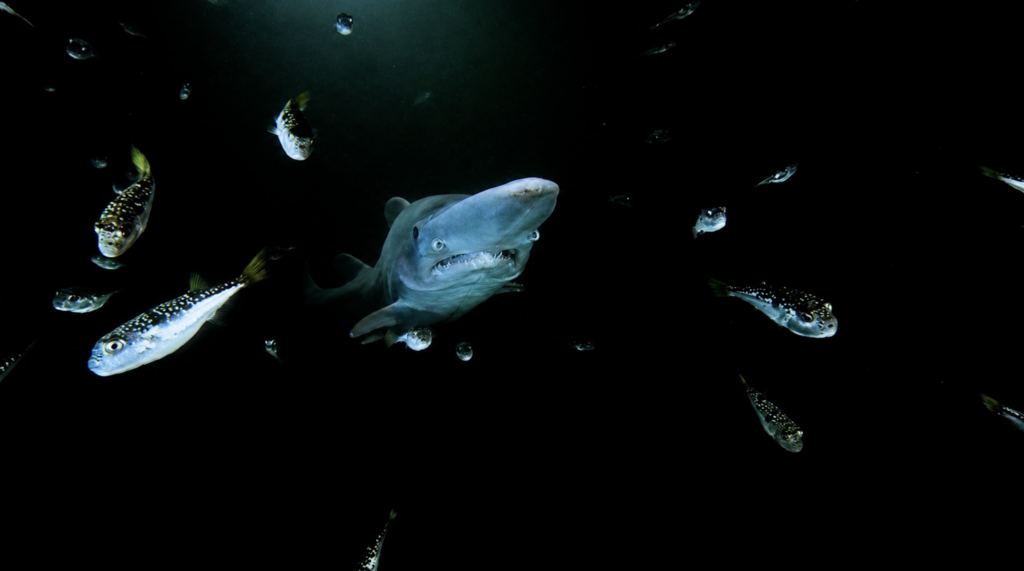
Its most disturbing feature is its jaw.
Unlike most sharks, the goblin shark can launch its jaws forward at incredible speed. When prey comes within range, its mouth shoots outward like a spring loaded trap.
The movement is so fast that it holds the record for the quickest jaw protrusion of any shark species. Then there are the teeth.
Goblin sharks have multiple rows of needle like teeth that remain visible even when their mouths are closed. It’s the kind of face that makes you grateful these creatures live far below the surface.
2. The Giant Isopod
Imagine a giant underwater pill bug the size of a small cat.
That’s essentially what a giant isopod is.
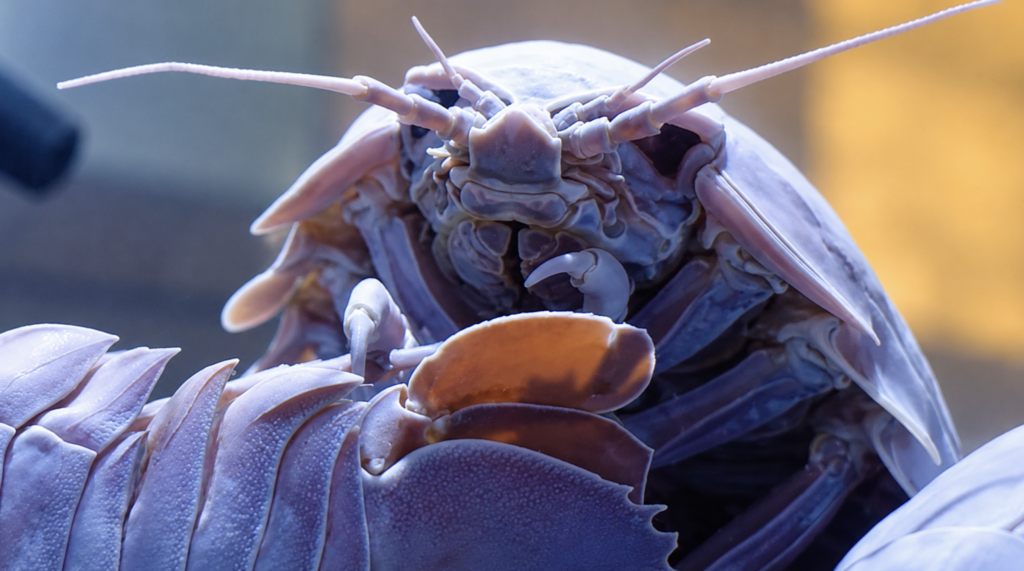
These deep sea crustaceans can grow up to 40 centimeters long and spend most of their lives crawling along the ocean floor.
They survive by scavenging whatever food sinks into the darkness below. Whale carcasses. Dead fish. Crabs. Squid. Pretty much anything edible.
What’s even stranger is their ability to survive without food for incredibly long periods. One giant isopod in captivity famously went more than five years without eating.
Five years.
Apparently, when food is scarce at the bottom of the ocean, patience becomes a survival strategy.
1. The Bobbit Worm
Taking the top spot is a creature that looks more alien than animal. The bobbit worm spends most of its life buried beneath the seafloor with only its terrifying jaws exposed.
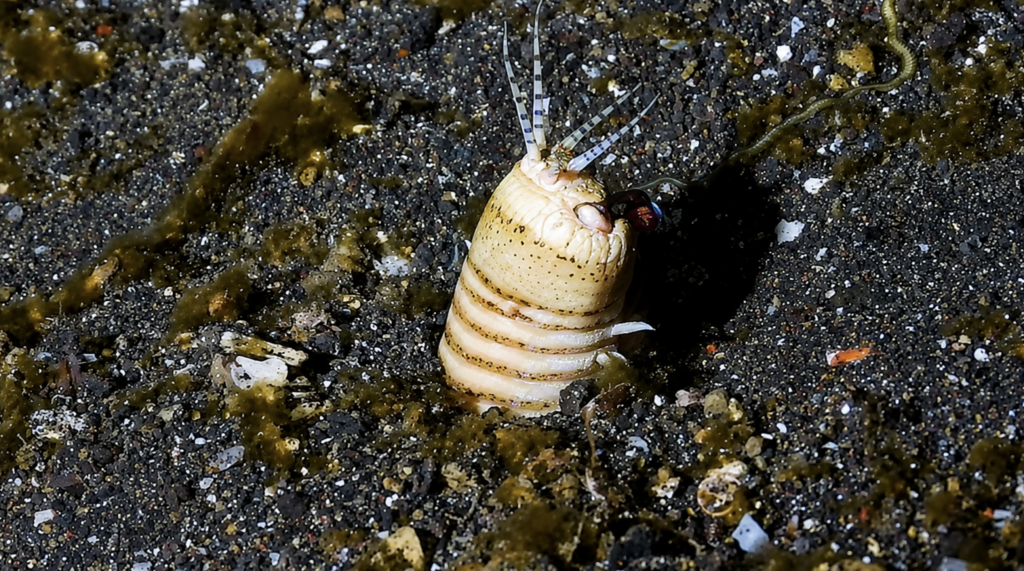
Then it waits. And waits. And waits.
The moment an unsuspecting fish swims too close, the worm explodes from its burrow at speeds reaching nearly 20 feet per second. Its powerful jaws snap shut with enough force to slice prey in half before retreating underground.
Victims often have no warning whatsoever. One second they’re swimming peacefully.
The next, they’re gone.
Scientists still have much to learn about these bizarre predators, but one thing is certain: if you ever spot a bobbit worm burrow, keeping your distance is probably a very good idea.