It happens in an instant.
A sharp pain shoots through your foot. You look down, expecting a small insect or a thorn, but instead you catch a glimpse of something dark disappearing into the ground cover.
A funnel web spider. One of the most dangerous spiders on Earth has just bitten you. There is no room for panic now. What you do next matters.
Here is how to survive the deadliest spider.
The Funnel Web Spider
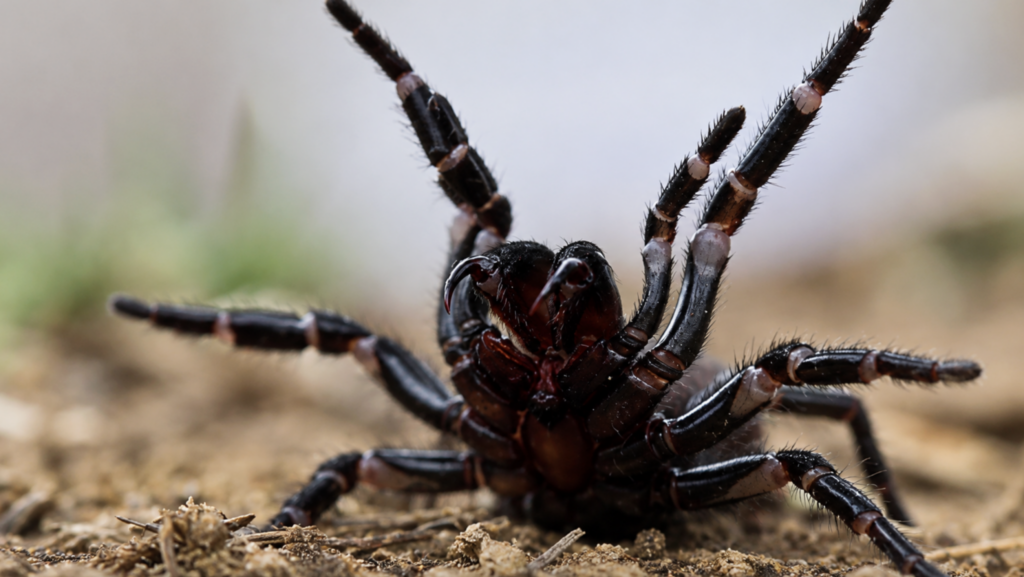
Funnel web spiders are found mainly along the east coast of Australia, especially in New South Wales. They build silk burrows with a funnel shaped entrance that acts like a trap for passing prey.
Despite measuring only about 1.5 to 3.5 centimeters, they are extremely aggressive when threatened. Their fangs are powerful enough to pierce fingernails, and in the case of certain species like the Sydney funnel web, their venom can become life threatening within minutes.
Their venom contains a powerful neurotoxin that attacks the nervous system, causing it to fire uncontrollably. Early symptoms can include tingling sensations in the face and muscle twitching, followed by more severe reactions like dangerous blood pressure drops, seizures, and organ failure.
This is why quick action is critical.
Step 1: Call for Help Immediately
If you suspect a bite, do not wait for symptoms to worsen.
Call emergency services right away while you are still able to speak clearly. Early warning signs like numbness or tingling in the face can escalate quickly.
Time is the most important factor in survival.
Step 2: Apply Pressure and Immobilize
Clean the bite area if possible and apply a firm pressure bandage over the wound.
The goal is not to stop the venom completely, but to slow its movement through the lymphatic system.
Keep the affected limb as still as possible. Movement can accelerate the spread of venom.
Step 3: Identify or Safely Capture the Spider
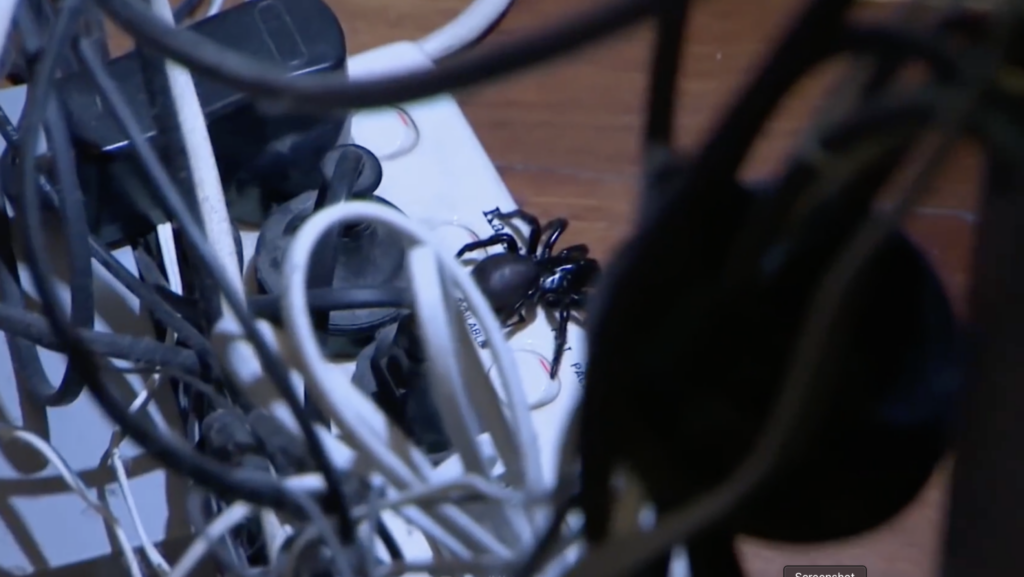
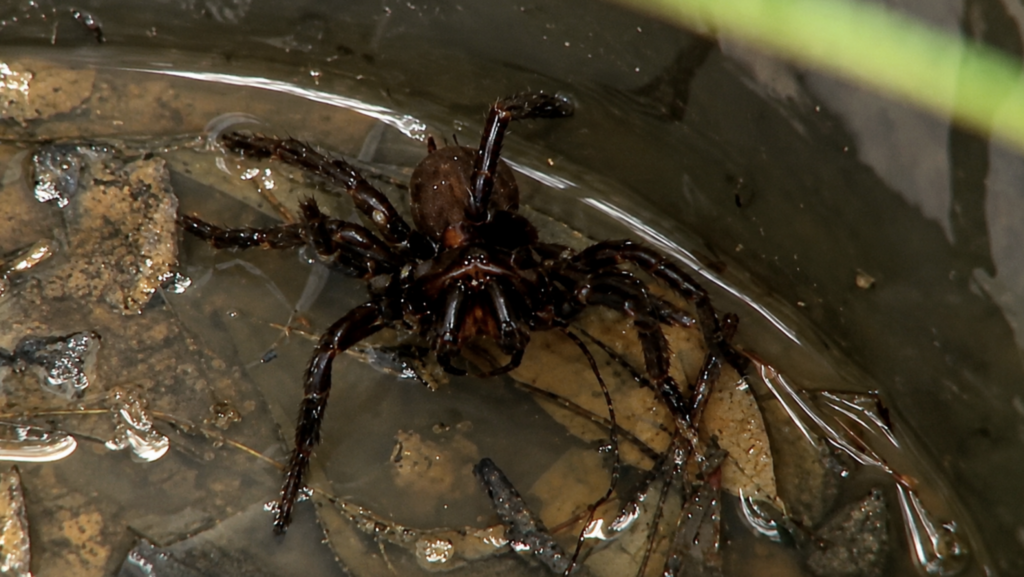
If it can be done safely, try to retain the spider for identification.
Different funnel web species may require different amounts of antivenom. A clear container placed over the spider is often recommended if there is no risk of another bite.
Do not take unnecessary risks for this step. Your safety comes first.
Step 4: Stay Still and Keep Calm
Remaining as still as possible helps slow circulation, which may delay the spread of venom.
Movement, stress, and panic can increase heart rate and worsen symptoms.
There have been fatalities from funnel web spider bites in the past, but modern antivenom has dramatically improved survival rates, especially when treatment is given quickly.
Step 5: Never Disturb or Handle Them
Funnel web spiders are not natural hunters of humans.
They are defensive creatures, not aggressive predators. Most bites occur when they feel threatened, such as when someone accidentally disturbs their hiding place or puts on a shoe where one is resting.
If you see one, do not provoke it. Safely remove yourself from the area or contact professionals for removal.