They are annoying. They are everywhere. And they land on you without warning.
Flies are usually dismissed as simple pests, but new research suggests they may be far more important than we ever imagined. In fact, this tiny insect could represent both a hidden health risk and a powerful scientific tool.
Flies are essentially airborne carriers of microbes. As they move through garbage, waste, food, and decaying matter, they pick up bacteria on their legs and wings. Then, without any care for hygiene, they carry those microbes directly onto the next surface they land on.
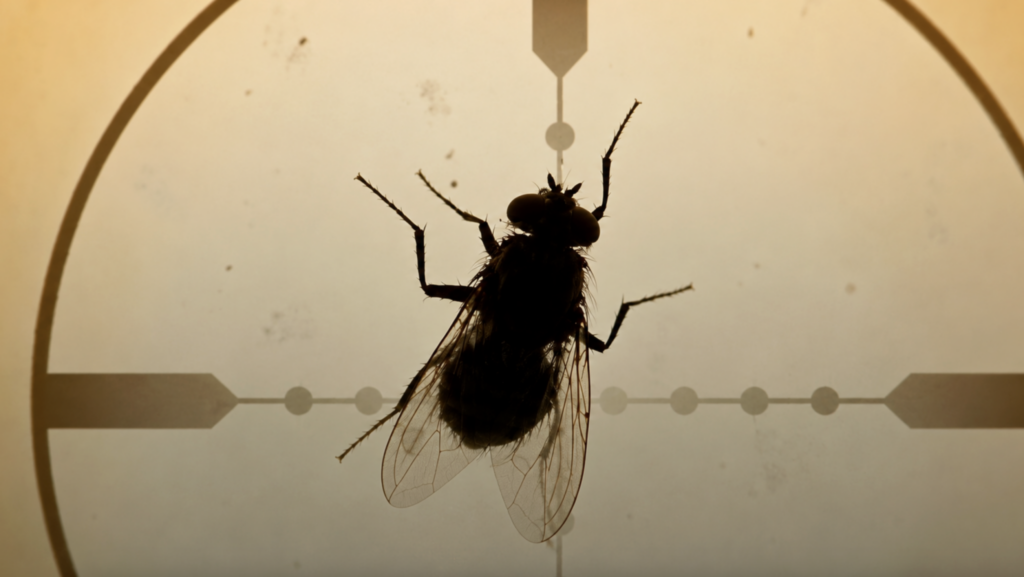
This makes them one of nature’s most efficient transport systems for microorganisms.
Scientists have identified hundreds of different bacterial species on common flies. Some estimates suggest they can carry over 600 types of bacteria at once. Many of these are harmless, but others are linked to serious human illnesses.
In some cases, flies have been found carrying bacteria associated with stomach infections and ulcers, raising concerns about how easily disease can spread through contaminated environments.
But here is where things get interesting.
The same ability that makes flies dangerous may also make them incredibly useful.

Researchers are now exploring the idea that flies could function as natural “biological drones.” Instead of viewing them only as pests, scientists could use them to collect environmental data from places that are difficult or dangerous for humans to reach.
For example, flies could be released into areas suspected of contamination, disease outbreaks, or environmental hazards. As they move through these regions, they would naturally collect microscopic traces of bacteria, toxins, and pathogens.
Later, scientists could capture and analyze them to get a detailed snapshot of what exists in that environment.
This approach could provide a low cost, wide ranging method of monitoring ecosystems, public health risks, and even early signs of disease outbreaks.
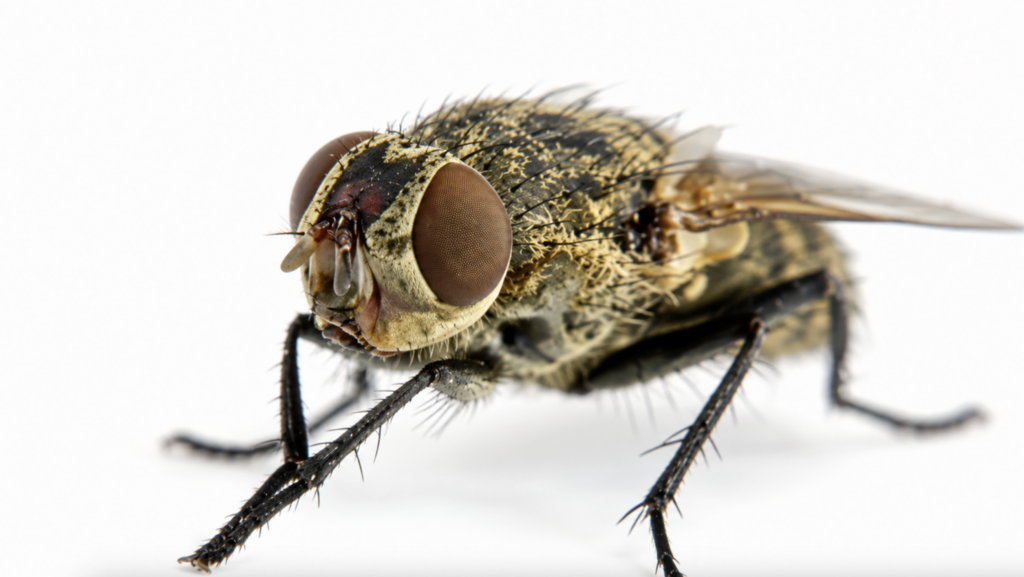
So the fly becomes something unexpected. Not just a carrier of contamination, but also a potential messenger of hidden information.
Of course, none of this makes them any less irritating when they land on your food.
But it does change how we see them.
Because whether flies are viewed as a threat or a tool depends entirely on perspective. One moment they are spreading bacteria. The next, they could be helping scientists detect dangers we cannot see.
Either way, this tiny insect is carrying a much bigger story than its size suggests.