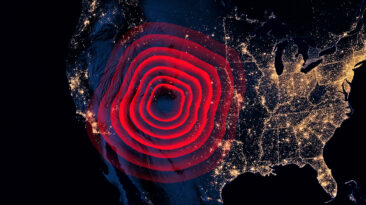
In March 2011, Japan was shaken by one of the most powerful earthquakes ever recorded. A magnitude 9.0 quake ripped through the east coast, triggering a massive tsunami that would claim nearly 20,000 lives and devastate entire communities.
But beneath the waves and destruction, a second crisis was quietly unfolding, one that could have erased far more than a coastline. At the Fukushima Daiichi nuclear power plant, the systems designed to protect millions of people were collapsing in real time.
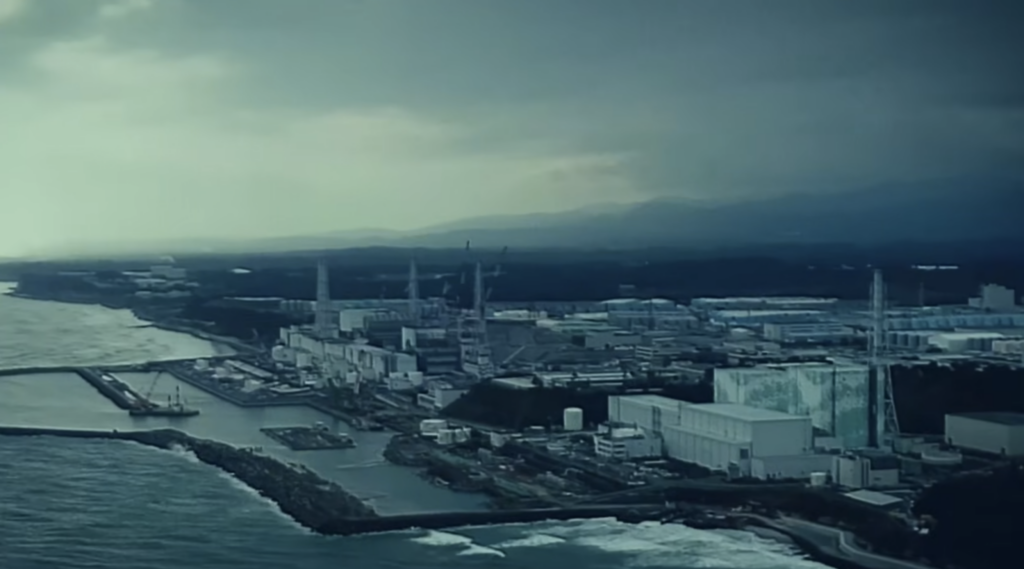
When the tsunami hit, it overwhelmed the plant’s defenses and flooded critical infrastructure. Backup diesel generators failed one after another, plunging the facility into a total station blackout. Without power, the cooling systems for the nuclear reactors stopped functioning, and the fuel inside began heating uncontrollably.
In a matter of hours, a modern nuclear plant built on promises of safety was reduced to a dark, flooded maze of debris, seawater, and silence, where alarms still screamed but no system responded.
Inside that chaos, a small group of workers made a decision that would define them forever. While much of the country was evacuating and leadership struggled to respond, a handful of engineers and technicians stayed behind. They became known to the world as the Fukushima 50, although the number shifted as people rotated in and out.
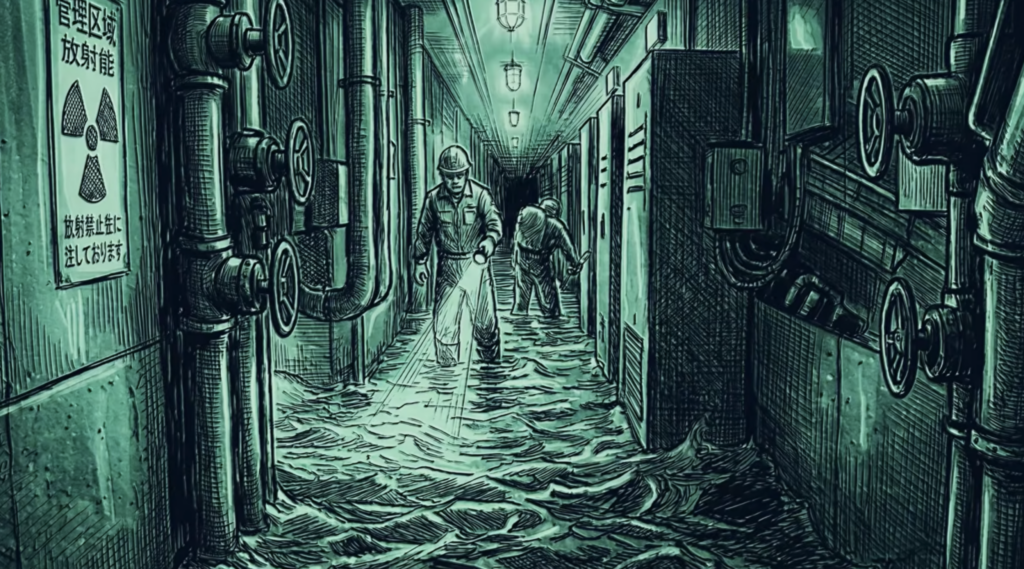
Their job was simple in theory but almost impossible in reality: prevent multiple reactor meltdowns that could have turned parts of Japan into an uninhabitable zone.
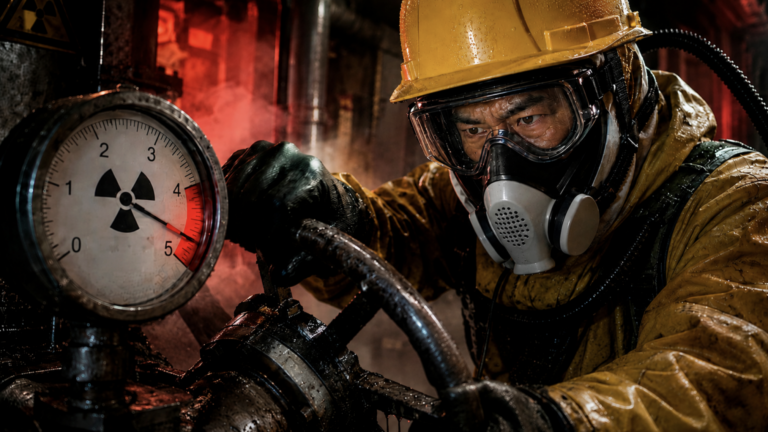
The situation quickly became a battle against time, heat, and radiation. With normal cooling systems destroyed, workers improvised emergency solutions using fire trucks, scavenged equipment, and even car batteries taken from vehicles in the plant’s parking lot.
They moved through pitch black buildings filled with seawater and twisted metal, often in complete darkness, trying to restore even the most basic control over systems that were never meant to fail all at once.
As pressure built inside the reactors, the danger escalated further. Hydrogen gas began accumulating, a silent threat that could turn a damaged reactor into an explosion zone. The workers knew that if containment failed, the consequences would be catastrophic.
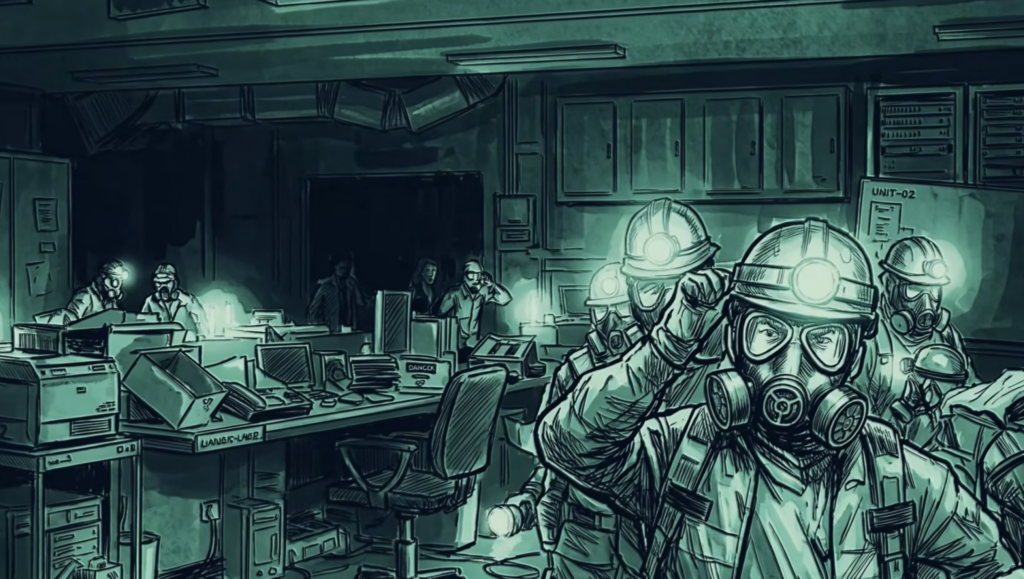
Some volunteered to enter highly radioactive areas manually, knowing exposure could be lethal, simply because no one else could do it. Every decision became a calculation of survival versus sacrifice, where delay could mean a nationwide disaster.
Despite their efforts, explosions still tore through parts of the plant. Buildings were destroyed, radiation spread, and fear gripped the nation. Yet even as the situation spiraled, the remaining workers continued to fight to stabilize the reactors. They pumped seawater into the cores, restored partial power, and held the line under conditions that most people could not survive for even minutes.
Each small success prevented the worst possible outcome: a full multi reactor meltdown that could have forced the evacuation of millions, including Tokyo.
But their story did not end when the crisis stabilized. After weeks of relentless work, exhaustion, and exposure, the Fukushima 50 finally left the plant. Instead of being recognized as heroes, many returned to suspicion, fear, and isolation.

Some were avoided in public, others struggled with health issues, and many carried psychological trauma from what they had witnessed and endured. The same country they helped protect often did not know how to process what they had done.
Years later, Fukushima remains a long term disaster site, still requiring thousands of workers and decades of cleanup. The reactors are contained, but the consequences of that week in 2011 continue to shape lives and policy. The Fukushima 50 remain a powerful contradiction in modern history: ordinary workers who faced an extraordinary catastrophe, prevented a far greater disaster, and then faded into one of the most complex and painful aftermaths of any industrial crisis.
They did not fight a war in the traditional sense. But inside a collapsing nuclear plant, they stood between stability and global catastrophe, and chose to stay when almost everything else was falling apart.