An invasion of the United States by China sounds like the plot of a blockbuster movie. The United States has not experienced a foreign invasion of its mainland in modern history, and its geography alone makes it one of the most difficult countries on Earth to attack. But what if the impossible happened? Could America actually survive an invasion by one of the world’s largest military powers?
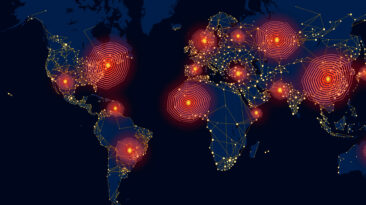
The first signs of conflict would likely appear long before any soldier stepped onto American soil. Modern wars are fought with information and technology just as much as tanks and missiles. Power grids, communication networks, banking systems, and transportation systems could all become targets. Airports might experience disruptions, financial markets could become chaotic, and millions of people might suddenly struggle to access basic services.
At that point, everyday life across America would begin changing overnight.
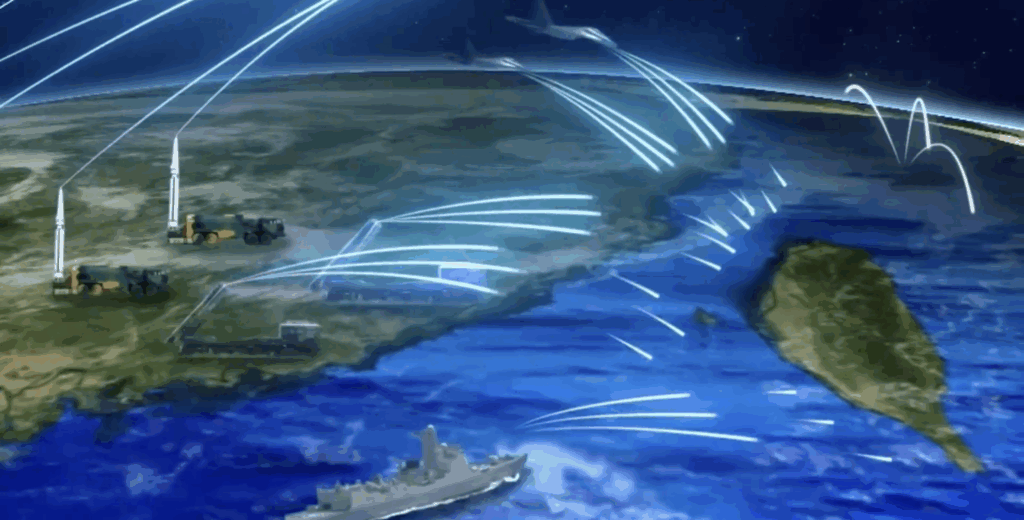
Any attempt to physically invade the United States would face an enormous challenge. The Pacific Ocean creates a massive natural barrier between China and North America. Transporting enough troops, equipment, vehicles, fuel, and supplies across thousands of kilometers of ocean would be one of the largest military operations ever attempted.
Even if an invading force somehow reached the American coast, the difficulties would only increase.
The United States possesses one of the world’s largest military forces and maintains military bases across the country. Large numbers of aircraft, naval vessels, and military personnel could be redirected toward defending key regions. Major ports and transportation hubs would become heavily protected, and reserve forces would likely be mobilized immediately.
At the same time, the conflict would almost certainly become an international crisis. The global economy depends heavily on both China and the United States. Stock markets would plunge, trade routes could collapse, and governments around the world would face enormous pressure to respond. Some nations would provide military support, while others would focus on diplomatic efforts to prevent further escalation.
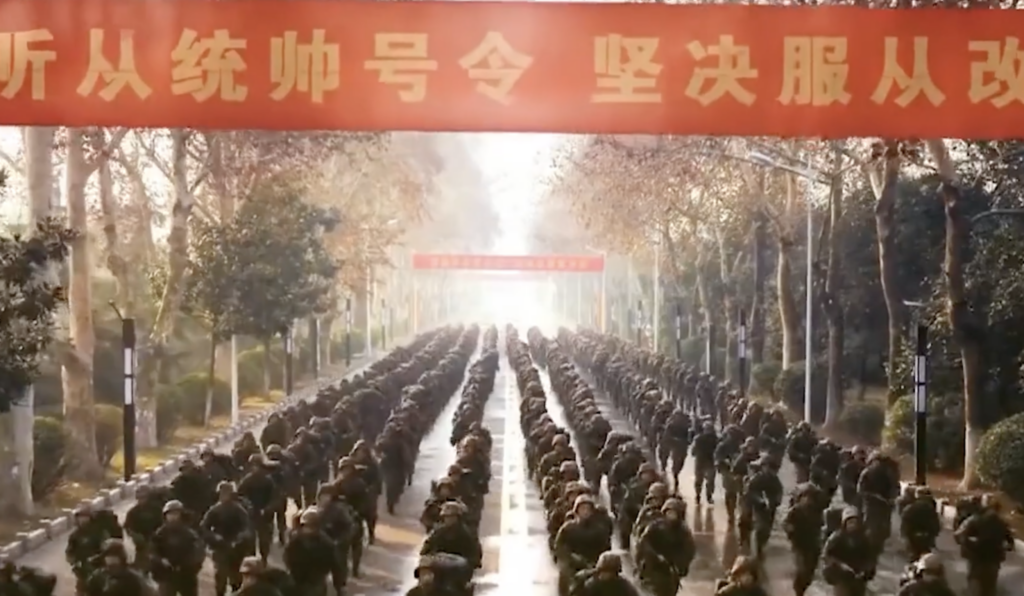
Inside America, ordinary citizens would also play a major role.
Millions of people would likely volunteer to help in whatever ways they could. Some would assist emergency services, while others might support logistics and supply efforts. Communities would organize shelters, distribute resources, and help vulnerable populations. History has repeatedly shown that societies can become remarkably resilient during times of crisis.
The geography of the United States would also favor the defenders. America stretches across an immense area and contains mountains, deserts, forests, and vast plains. Maintaining control over even a small portion of this territory would require tremendous resources. Every supply line would need protection, and every occupied area would present new challenges.
Cities along the western coastline might experience the greatest disruption. Ports could close, transportation systems might become overwhelmed, and evacuations could affect millions of people. Fear and uncertainty would spread quickly through social media and news reports.
Yet surviving an invasion is not the same thing as avoiding suffering.
A conflict between two global powers would have devastating consequences. Economic activity could slow dramatically. Supply shortages might affect everything from electronics to medicine. Businesses could close temporarily, and many families would experience tremendous stress and uncertainty.
In the end, the United States would likely remain an incredibly difficult nation to conquer because of its geography, military capabilities, resources, and ability to mobilize large numbers of people. But even if the country survived, victory would come at a terrible cost.
The real lesson is that modern wars are no longer fought only on battlefields. They affect economies, technology, infrastructure, and everyday life. In a conflict between powers as large as China and the United States, there would be no true winners.
Survival might be possible. Returning to normal would be the far greater challenge.