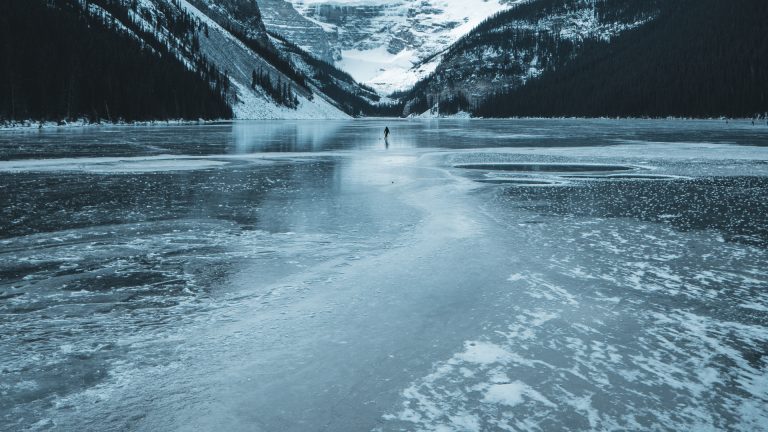
When walking across a frozen lake, appearances can be deceiving. Ice that looks solid may be dangerously thin beneath the surface. While many people follow the saying that blue, thick ice is usually safer, no frozen lake is ever worth blindly trusting with your life.
What happens to your body when you suddenly plunge into freezing water? How long can you survive? And why do experienced winter adventurers carry ice picks?
People head onto frozen lakes for all kinds of reasons. Some go ice fishing, others skate or snowmobile across them. Sometimes people simply use them as shortcuts. But accidents happen. A skier can drift off course, or a vehicle can slide onto unstable ice. When the surface gives way, knowing what to do can mean the difference between life and death.
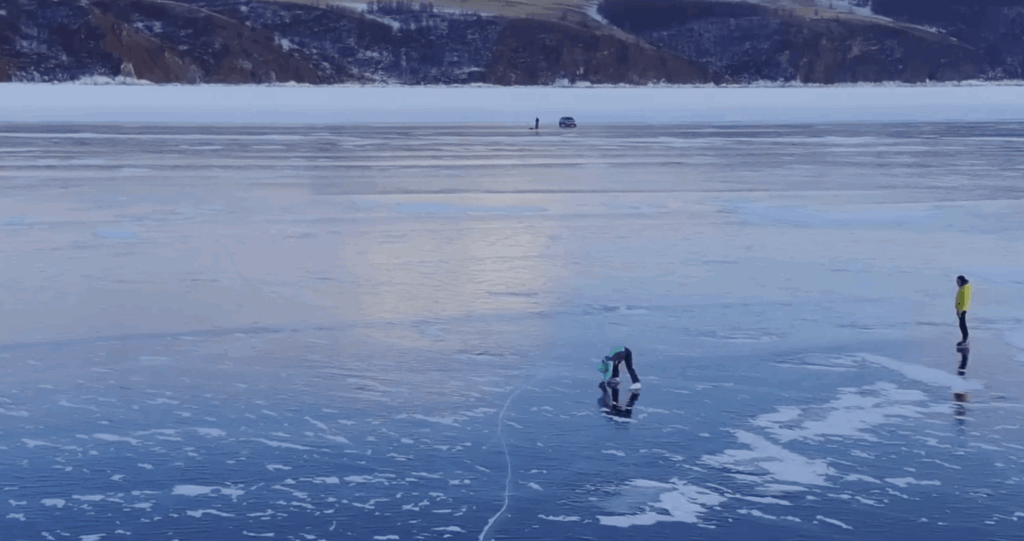
Step 1. Remember the 1-10-1 Rule
Survival experts often use the 1-10-1 rule to explain what happens after cold water immersion.
The first minute is known as cold shock. Your body reacts violently to the freezing temperature, causing rapid, uncontrolled breathing. In some cases, breathing rates can increase by 600% to 1,000% compared to normal.
The next ten minutes are known as the period of cold incapacitation. During this stage, your fingers, hands, arms, and legs gradually lose strength and coordination. Even simple movements become difficult.
After about one hour, hypothermia can begin to take hold, potentially leading to unconsciousness and death.
Step 2. Keep Your Head Above Water
If possible, keep your head out of the water. This helps slow heat loss and delays the onset of hypothermia.
Mild hypothermia begins when your body temperature falls to around 35°C (95°F). Shivering becomes intense, your skin may turn blue, and confusion can set in.
As your temperature drops to around 32°C (89.6°F), moderate hypothermia develops. Drowsiness, poor judgment, and even hallucinations can occur.
Once body temperature falls to approximately 28°C (82.4°F), severe hypothermia takes over. At this stage, cardiac arrest becomes a serious risk.
Step 3. Get Out Fast
Your priority should be escaping the water as quickly as possible. Try to pull yourself back onto the ice where you fell through, since that ice was strong enough to support you moments earlier. If you cannot get out on your own, you’ll need help immediately.
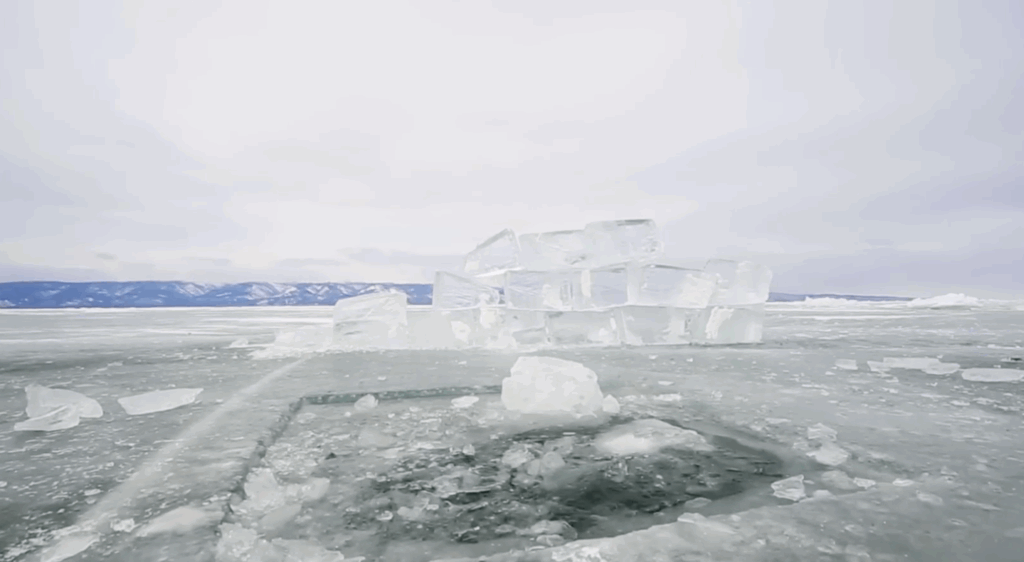
A remarkable example of survival comes from Anna Bågenholm, a 29 year old Swedish radiologist. While skiing near Narvik, Norway, she lost control and crashed through the ice.
Anna became trapped beneath the frozen surface with only her skis and lower legs visible. Two friends found her and tried desperately to pull her free before calling for help. Because they were in a remote area, rescuers took time to arrive.
She remained trapped in the freezing water for 80 minutes. Although she discovered a small air pocket that allowed her to breathe, she lost consciousness after suffering cardiac arrest. Against all odds, Anna survived and eventually made an almost complete recovery after extensive medical treatment.
Step 4. Look for Light
If you find yourself trapped beneath the ice, search for the brightest area above you. This is often the hole where you entered the water. Snow covered ice appears darker, making lighter areas your best guide back to the surface.
Step 5. Use Ice Picks
Ice picks are among the most valuable survival tools you can carry in winter conditions.
Drive both picks into the ice and pull yourself forward while kicking your legs behind you. This technique helps keep your body horizontal and reduces the amount of upper body strength needed to climb out.
A small pair of ice picks may seem insignificant, but in freezing water, they could be the tool that saves your life.