Is alien life really out there? For decades, humanity has looked at the night sky and asked the same question. Now, according to scientists, we may be closer than ever to an answer. Researchers have detected possible signs that could point to life in the atmosphere of Venus.
Does this mean we are about to confirm alien civilizations? Could this discovery change how we search for life across the Solar System? And what would it really mean if Venus is not as lifeless as we once thought?
Venus is often described as Earth’s “twin” in size. It is only slightly smaller than our planet, and its gravity is about 91 percent of Earth’s. While Mars usually gets the spotlight in discussions about human exploration, Venus has always been a surprising candidate in planetary science because of its similar structure and location.
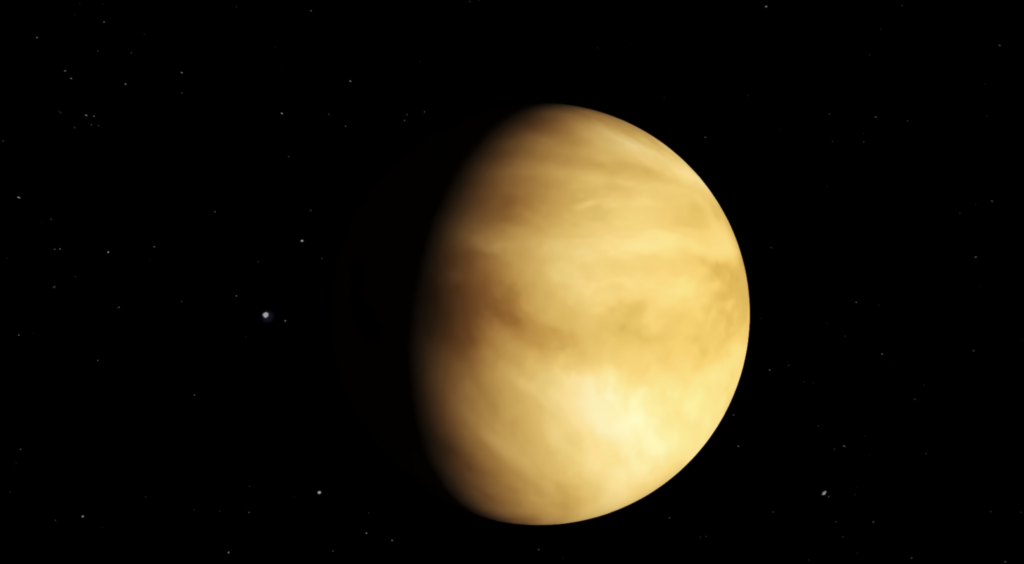
So why do scientists think there could be life on Venus at all? The answer comes down to a strange chemical called phosphine. This gas is colorless, highly toxic, and extremely reactive. On Earth, it is associated with industrial processes, and it can be produced through both biological and non biological activity.
What makes phosphine interesting is where it has been detected. Astronomers have reported signs that this gas may exist in the upper atmosphere of Venus. That is unusual because known natural processes on Venus struggle to explain its presence in large quantities.
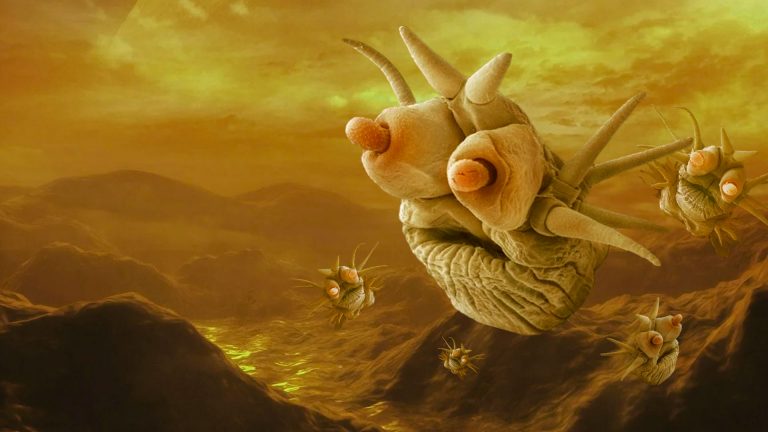
At first, this might sound like bad news for life. Phosphine is deadly to oxygen based organisms. But life does not have to depend on oxygen. On Earth, there are organisms called anaerobic microbes that thrive without oxygen, surviving in extreme environments that would kill most other life forms.
If similar organisms exist in Venus’s clouds, they could theoretically survive in the planet’s upper atmosphere, where conditions are far less extreme than on the surface.
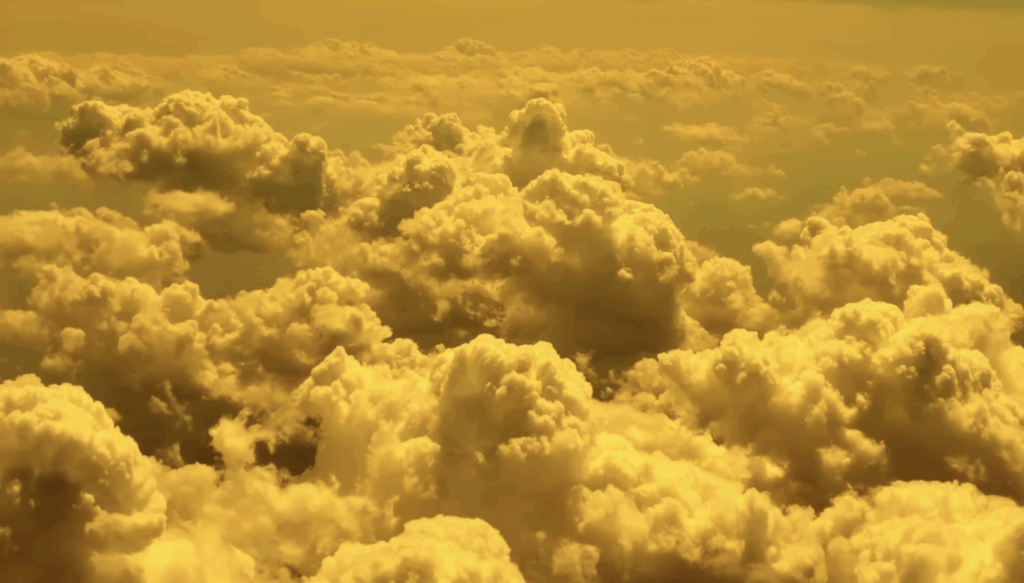
However, scientists are careful to stress that this is not confirmed evidence of life. The detection of phosphine remains debated, and further observations are needed before any conclusions can be made. It is still one of the most intriguing potential biosignatures ever found in a nearby planet’s atmosphere.
Even if microbial life does exist on Venus, it would not resemble anything from science fiction. There would be no visible creatures on the surface, no complex organisms, and certainly no intelligent beings. Any life would most likely be microscopic and floating within the planet’s thick cloud layers.
This also means that visiting Venus would remain extremely dangerous for humans. The surface of the planet is hot enough to melt lead, and its atmosphere is filled with crushing pressure and corrosive gases. Even the upper cloud layers, where conditions are more moderate, would still be hostile to human exploration without advanced technology.
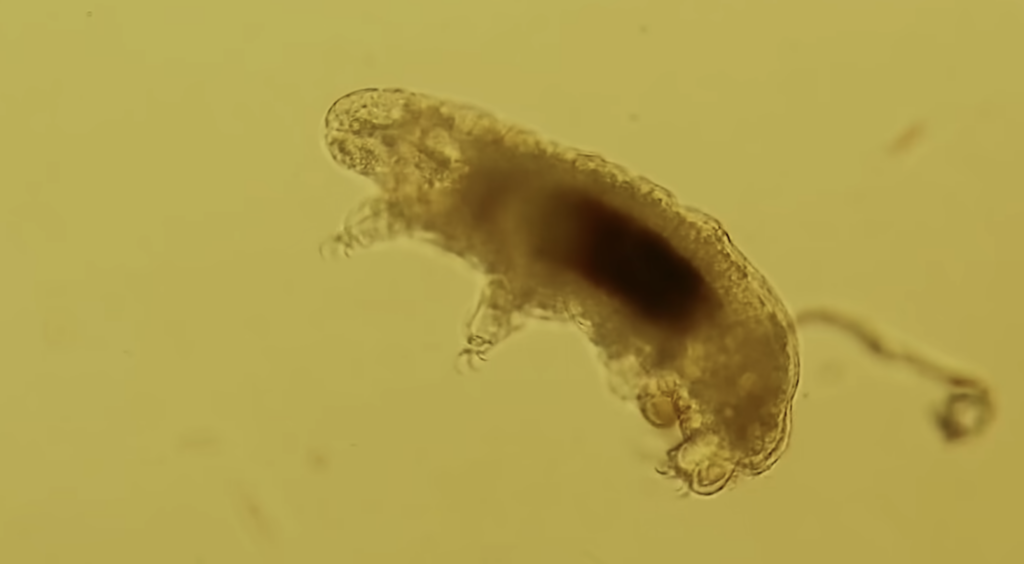
Still, the possibility alone is exciting. If even microbial life exists beyond Earth, it would completely change how scientists understand biology, evolution, and the likelihood of life throughout the universe.
It would also broaden the definition of what “alien life” actually means. Instead of thinking about complex beings, we may need to focus on tiny, resilient organisms capable of surviving in extreme environments that once seemed completely uninhabitable.
Whether or not Venus truly hosts life remains an open question. But what is certain is that discoveries like this push science forward. They remind us that the universe is still full of unknowns, and that even our closest planetary neighbors may hold surprises waiting to be uncovered.