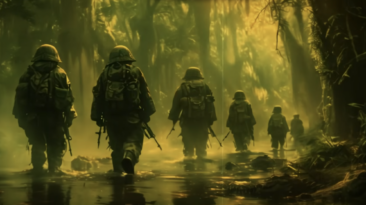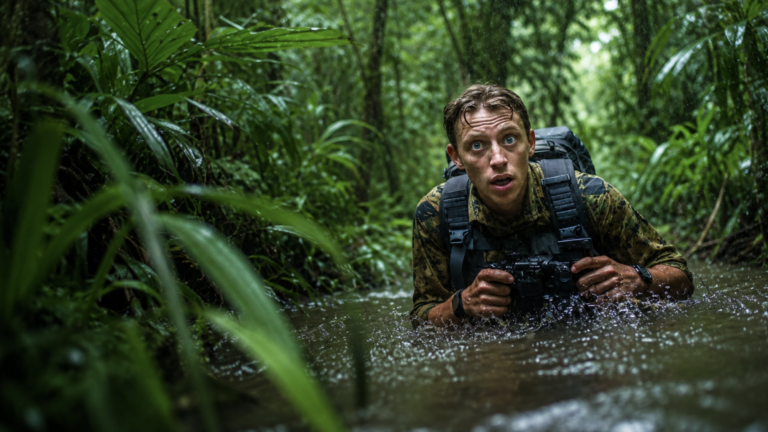
What started as a routine helicopter flight quickly turned into a fight for survival deep inside the Amazon rainforest. When the aircraft began to shake and lose control, there was no time to prepare for what came next.
Seconds later, the helicopter crashed into dense jungle terrain. The impact left the pilot dazed, injured, and completely isolated. There was no signal, no rescue team in sight, and no clear path back to civilization.
All that remained was wreckage, silence, and a wall of living green stretching in every direction.
With night approaching and the jungle awakening around him, survival became a race against time. Dangerous wildlife, extreme humidity, unpredictable weather, and lack of food or clean water meant one thing. Every decision could mean life or death.From training and instinct, he knew one thing for certain. In conditions like these, survival would not last more than seven days without reaching help.
This is how he survived 7 days in the Amazon.
Day 1: The Crash and First Decisions
The first day began with shock and assessment. The helicopter was completely destroyed, leaving nothing usable except a few items scattered in the wreckage.
He salvaged a small knife and a partially intact water bottle. His clothes were torn, and his body was already bruised from the impact.
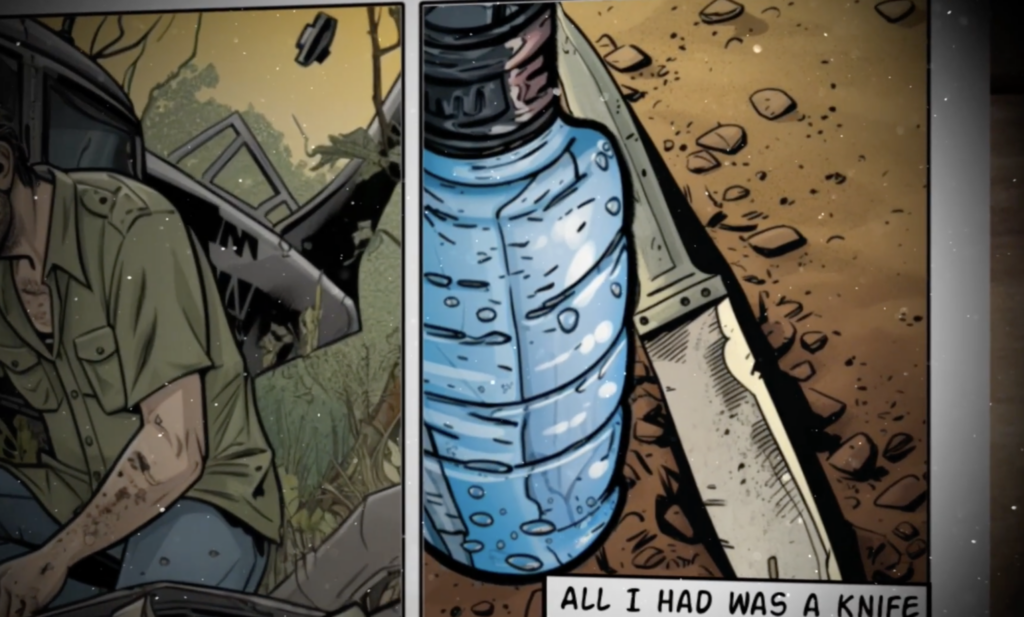
There was no clear sense of direction, only thick jungle in every direction. He chose a direction at random and marked the crash site by carving a visible symbol into the wreckage so potential rescuers could follow it.
As the sun dropped below the canopy, the reality set in. The Amazon was not just vast. It was alive, loud, and active at night.
Day 2: Water, Danger, and First Shelter
On the second day, he found a stream, a vital discovery but also a potential risk. Untreated water in the jungle can carry parasites and bacteria, but there were no tools for boiling or sterilizing it.
He improvised by filtering the water through cloth, removing visible debris before drinking small amounts. It was a calculated risk, but dehydration would be just as dangerous.
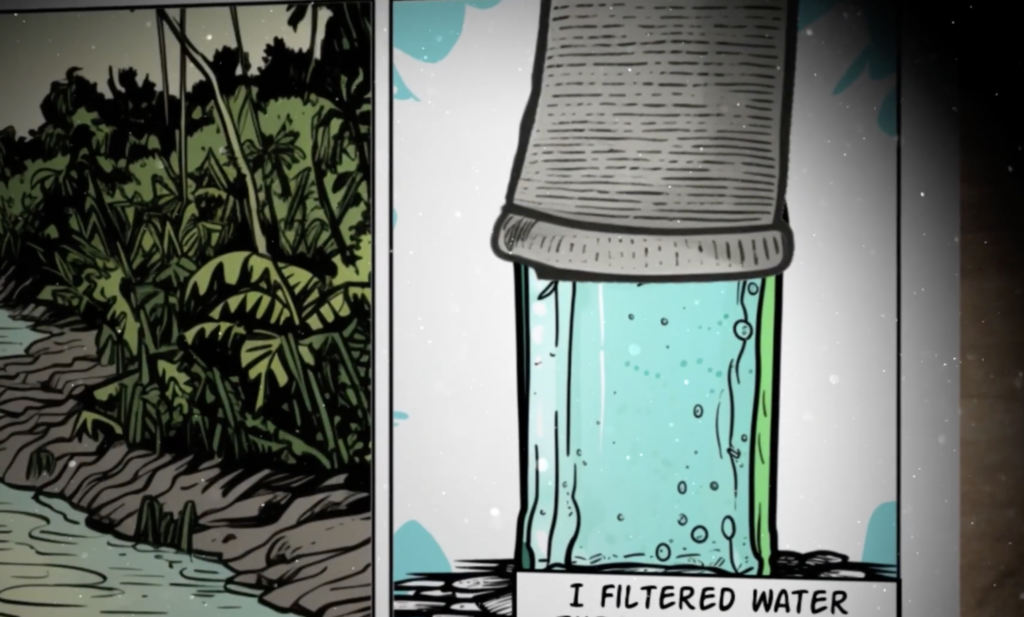
While moving along the stream, he observed the intensity of the ecosystem. Bright frogs, birds, and monkeys surrounded the area, but so did signs of predators and unknown movement in the mud near the water.
That night, he built a shelter above ground using a tree with strong branches. In the Amazon, sleeping on the ground increases exposure to predators, insects, and flooding.
As darkness fell, the jungle noise intensified. He woke suddenly to movement below him and saw the unmistakable outline of a jaguar circling his position.
He stayed completely still. After several hours, the animal moved on.
That moment changed everything. He now understood that he needed better defense. He upgraded his small knife into a makeshift spear using a sharpened branch.
Day 3: Hunting, Bats, and Real Threat Awareness
The third day began with movement. Staying in one place was too risky, so he followed the stream, hoping it would eventually lead to signs of humans.
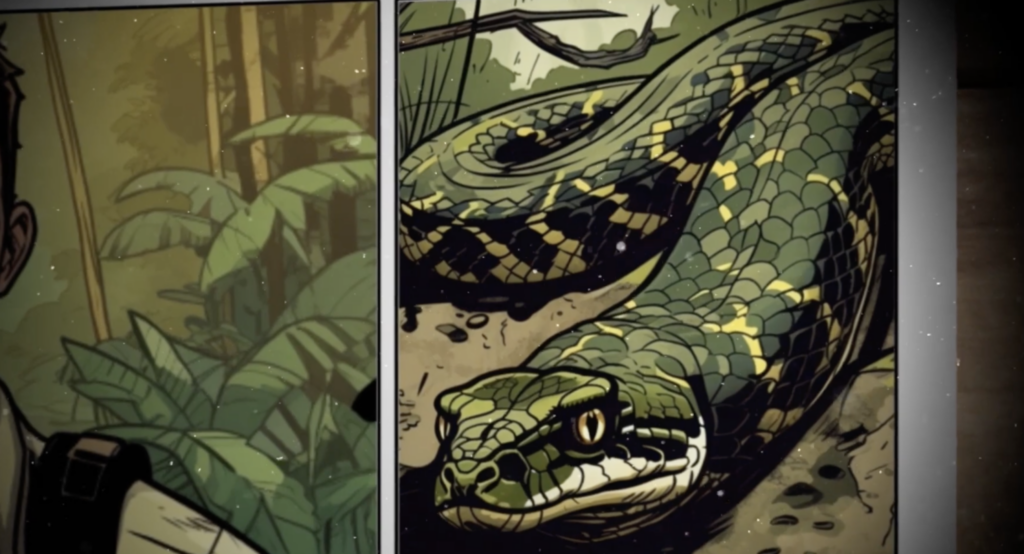
Wildlife encounters increased. A massive snake crossed his path, and large mammals gathered near water sources, confirming the area was active with predators.
Hunger became urgent. He attempted fishing and managed to catch fish using his spear. The food was barely edible, but it provided energy.
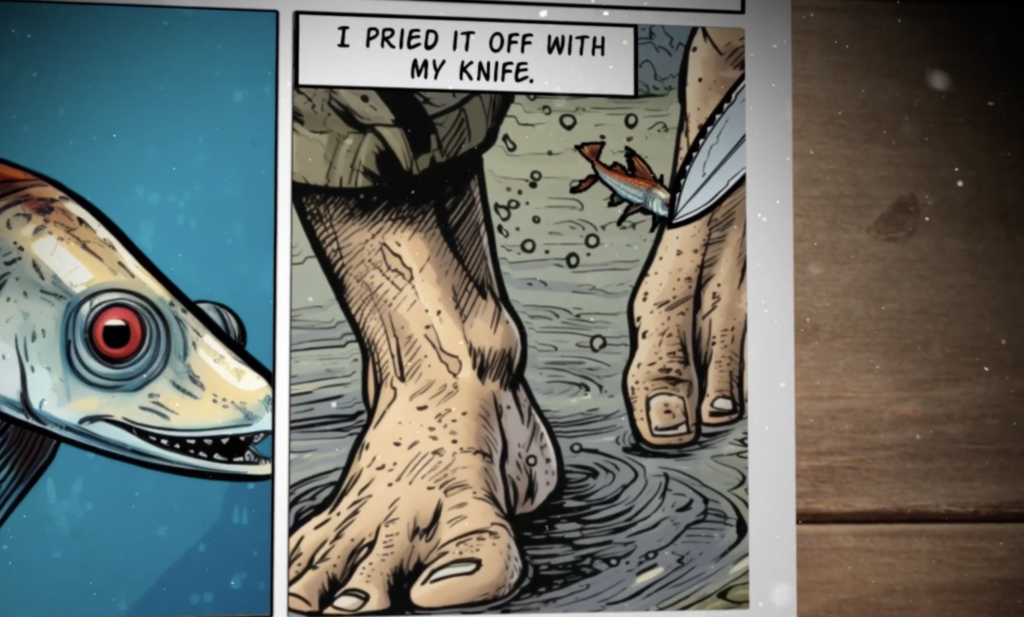
That night brought a new threat. While resting in a tree, he discovered a colony of bats nearby. Some species in the Amazon can carry serious diseases, and a single bite could be fatal without treatment.
He carefully abandoned the shelter and moved away in the dark.
Soon after, he encountered another danger, a highly venomous wandering spider. One mistake could have ended the journey instantly.
From that point on, every step required scanning vegetation, ground, and trees before moving.
Day 4: Predators and the Search for Direction
By the fourth day, survival became more structured. He continued following water sources but stayed at a safer distance from the shoreline after a close encounter with a caiman.
Sudden movements in the water confirmed that staying near the river edge carried significant risk.
Mosquitoes also became a serious problem. Constant exposure can transmit dangerous diseases in rainforest environments. To reduce bites, he used mud as a protective layer over exposed skin.
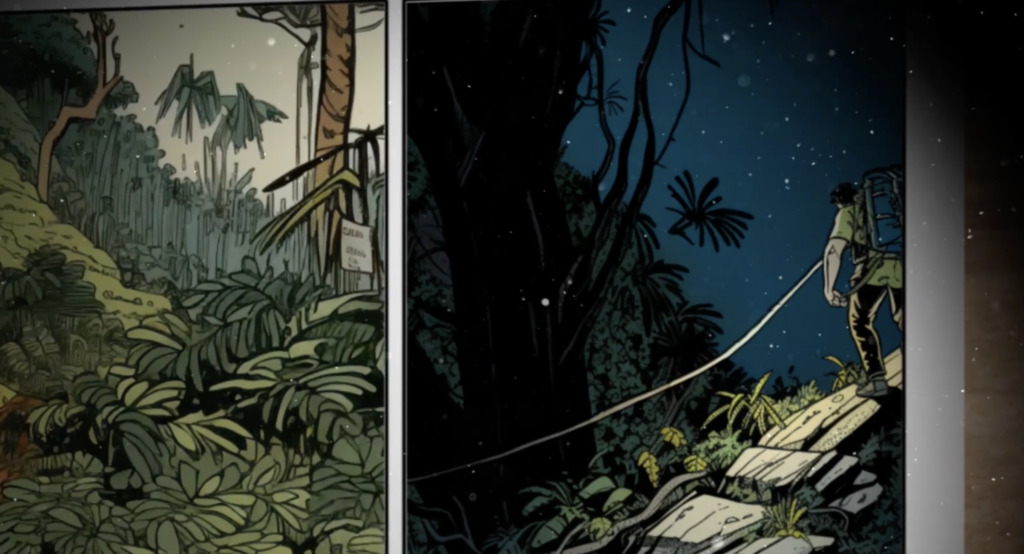
Later that evening, he climbed a hill for the first time in days. From above the canopy, he finally saw something unexpected. A faint light in the distance.
It could have been a settlement or a remote station. Either way, it was human presence.
For the first time since the crash, there was direction.
Day 5: Progress Through the Jungle
With hope established, he moved toward the distant light. But progress was slow. The forest became denser, and movement more exhausting.
Food remained scarce. Another fishing attempt failed when piranhas swarmed the catch within seconds, leaving nothing behind.
The jungle was no longer just an environment. It was competition. Every resource was shared with predators, scavengers, and swarms of insects.
Day 6: Encounters and Near Collapse
By the sixth day, exhaustion and injury began to take effect. The light was closer now, visible even without climbing.
While moving through dense canopy terrain, he was suddenly surrounded by a troop of monkeys. The situation escalated quickly into a chaotic attack as the animals reacted aggressively.
Before the situation could worsen, a large shadow passed overhead. A harpy eagle descended from the canopy and struck one of the monkeys, causing the group to scatter instantly.
The encounter served as a reminder that he was not at the top of the food chain in this environment.
He treated his injuries as best as he could and continued forward despite fatigue and dehydration.
Day 7: Rescue
On the seventh day, everything changed. A road appeared through the vegetation.
After days of navigating terrain, avoiding predators, and surviving on minimal food, he finally reached a human access point near a protected area. A staff member at a nearby station provided first aid and called for emergency assistance.
For the first time in a week, he was safe. The survival journey ended with scars, exhaustion, and a deeper understanding of how unforgiving the Amazon truly is. In most cases, encounters like these do not end in survival.
This time, against overwhelming odds, it did.