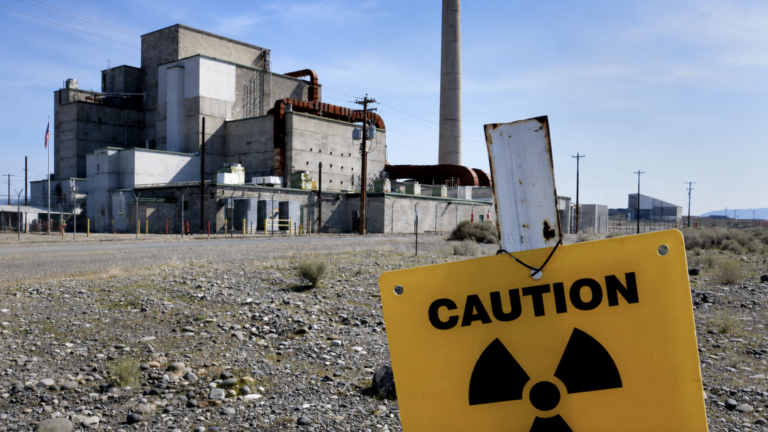
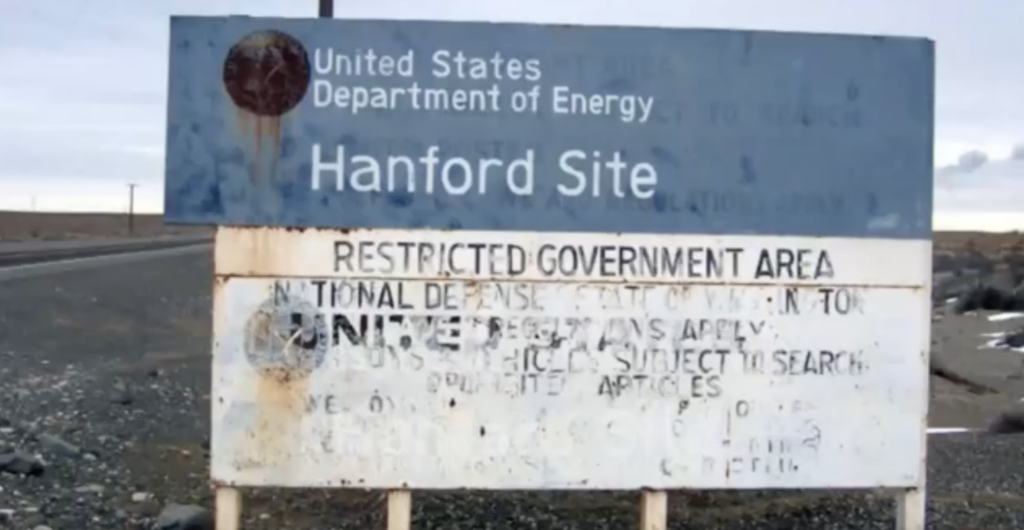
Hidden in the deserts of southeastern Washington lies a place that many experts have described as America’s own Chernobyl waiting to happen. It is called the Hanford Site, and despite being largely unknown to the public, it remains one of the most contaminated locations in the United States.
The Hanford Site was established in 1943 during World War II as part of the Manhattan Project. It became home to the world’s first large scale nuclear reactor and played a critical role in America’s nuclear weapons program. In fact, most of the plutonium used in the country’s arsenal of roughly 60,000 nuclear weapons was produced there.
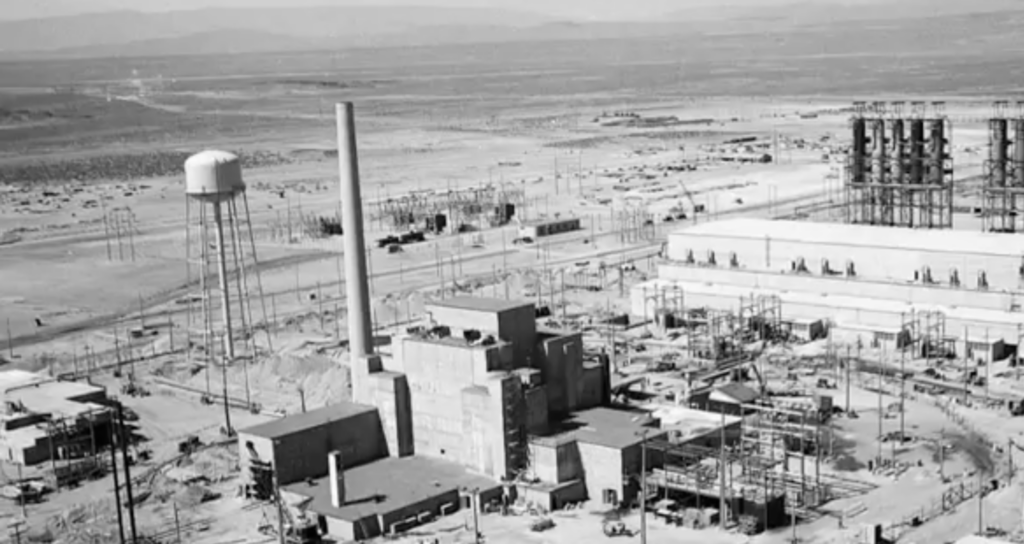
At the time, the priority was winning the war and maintaining nuclear superiority during the Cold War. Environmental safety and long term waste management were secondary concerns. As a result, enormous quantities of radioactive waste accumulated over decades of operation.
The reactors at Hanford eventually shut down, but they left behind a dangerous legacy. The site contains 177 underground storage tanks filled with high level radioactive waste. Together, they hold around 53 million gallons, or approximately 200 million liters, of highly toxic material.
The danger does not end there. Hanford also contains an estimated 24 million cubic feet of solid radioactive waste buried beneath the ground. Over the years, some of the underground tanks have leaked, allowing radioactive materials to seep into the surrounding soil.
The contamination has become so extensive that approximately 200 square miles of groundwater beneath the site have been polluted. Scientists and environmental officials worry that radioactive materials could continue spreading through the environment if not properly contained.
Another major concern involves toxic vapors emitted from some areas of the site. Workers have reported exposure to dangerous fumes, raising concerns about the long term health risks associated with maintaining and cleaning up the facility.
The comparison to Chernobyl is not entirely symbolic. While Hanford has never experienced a catastrophic reactor explosion like the one that occurred in Ukraine in 1986, the amount of radioactive waste concentrated in one location makes it one of the most challenging environmental cleanup projects in history.
Some experts have referred to it as an underground Chernobyl waiting to happen because of the sheer scale of the contamination and the potential consequences of a major failure in containment systems.
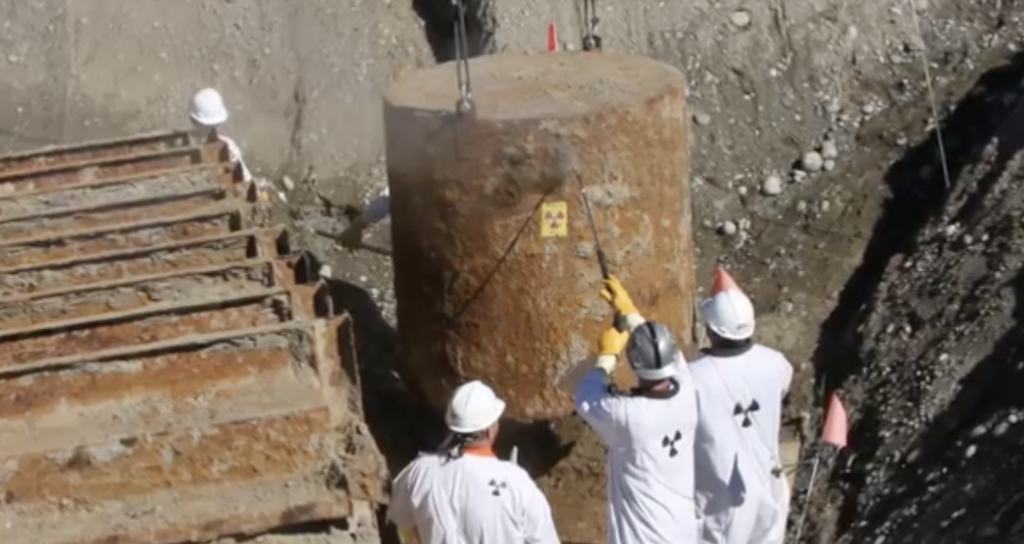
Cleaning up Hanford has proven to be an enormous task. The project has already consumed billions of dollars and is expected to continue for decades. Engineers and scientists must deal with aging infrastructure, leaking tanks, and radioactive substances that can remain dangerous for thousands of years.
The story of Hanford is also a reminder of the hidden costs of technological progress. The site helped shape the modern world and played a major role in America’s military history. Yet it also created an environmental challenge unlike anything the country had ever faced.
Today, Hanford stands as both an engineering achievement and a warning. It demonstrates how decisions made during times of urgency can leave consequences that persist for generations. Although much progress has been made in securing the site, the cleanup is far from complete.
For most Americans, the Hanford Site remains largely out of sight and out of mind. But beneath the desert landscape lies one of the largest concentrations of radioactive waste on Earth, a problem so vast that it may take the rest of this century and beyond to fully address. Until then, America’s most toxic place remains a stark reminder that some of history’s greatest achievements can also leave behind its most dangerous legacies.