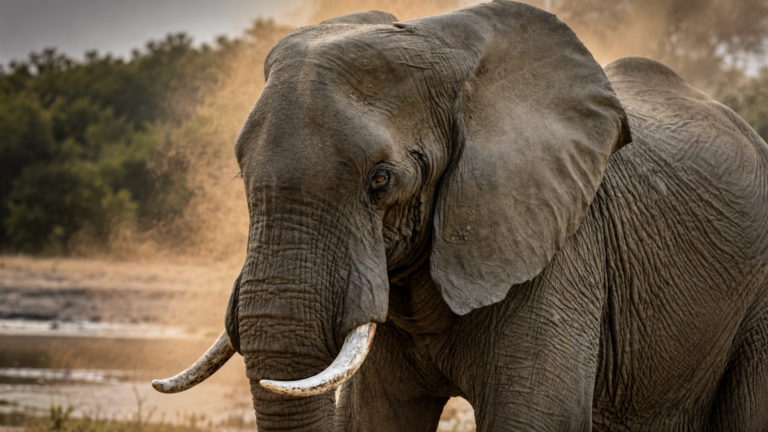
Elephants are among the most intelligent and socially complex animals on Earth, yet they remain less studied than many other species such as primates or dogs. Because of this gap in research, scientific data on whether elephants truly experience empathy is still limited and often incomplete.
On one side of the debate, many scientists and people who work closely with elephants are convinced that these animals display a wide emotional range. This includes not only basic reactions like fear or excitement, but also deeper feelings such as empathy, grief, joy, and possibly even a sense of humor. For those who observe elephants daily, their behavior often appears far too complex to be explained by instinct alone.
However, in science, personal observations and stories are not enough to prove emotional capacity. Much of this evidence is considered anecdotal, which is why there is still disagreement among researchers about what elephants are truly capable of feeling.
So the question remains, do elephants have empathy?
Elephants show distress in many visible ways. They may raise their tails, spread their ears wide, trumpet loudly, produce deep rumbling sounds, or behave in sudden, agitated bursts of movement. These reactions often occur in social situations where another elephant is injured, upset, or in danger.
Recent controlled studies, including research conducted by behavioral scientists in Thailand, have provided stronger evidence supporting what many elephant caretakers have long believed. Elephants appear to be highly emotional and responsive to the feelings of others within their group. When a member of the herd is distressed, others often respond with gentle physical contact, soft vocalizations, and calming behavior that resembles reassurance.

In some cases, elephants have been observed forming protective circles around a vulnerable or injured individual. This type of coordinated response suggests a strong social bond and awareness of others within the group.
Elephant herds are typically led by a matriarch and consist of related females, their offspring, and younger males. Within these family groups, cooperation is essential. Elephants are known to celebrate births with excitement and attention, and they also appear to mourn their dead.
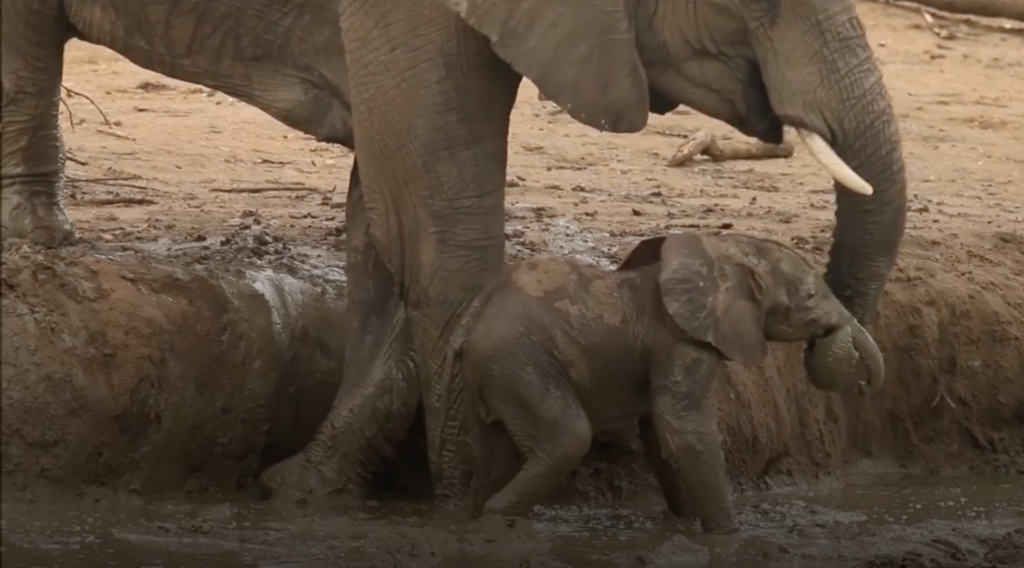
Females often help care for each other’s calves, responding quickly to a baby’s cries even when it is not their own. This shared responsibility strengthens the social structure of the herd and reflects a deep level of cooperation.
Perhaps one of the most striking behaviors observed in elephants is how they respond to death. In some documented cases, elephants approach deceased members of their group quietly and carefully. They may stand still for long periods, gently touch the body, or repeatedly return to the remains over time.

There have also been observations of elephants covering dead bodies with soil, branches, or vegetation. In some instances, they appear to examine bones or remains with their trunks and feet in what seems like careful, almost ritualized behavior. While scientists are cautious about assigning human emotions to these actions, the consistency of these behaviors continues to raise important questions.
There is also a growing body of video evidence and firsthand accounts showing elephants displaying behaviors that closely resemble empathy, affection, and grief. As scientific tools and long term field studies improve, researchers are gaining a clearer understanding of just how emotionally complex these animals may be.
However, despite this growing knowledge, the relationship between humans and elephants tells a very different story.
Throughout history, humans have not always treated elephants with the respect their intelligence and social nature might suggest they deserve. In some parts of the world, elephants are hunted for their ivory tusks, often leading to violence and population decline. In other cases, they are captured, separated from their families, and used for labor, tourism, or entertainment.

Some elephants are kept in zoos or tourist attractions under conditions that restrict their natural behavior. Others are trained for performances or rides, sometimes through harsh methods involving physical punishment, confinement, and tools designed to control them through fear.
Even when there is disagreement about how elephants experience emotions, one fact is difficult to ignore. Elephants are deeply social animals with strong family bonds, long memories, and complex behavior that reflects intelligence and awareness.
Whether or not every aspect of their emotional life is fully understood, the evidence increasingly suggests that elephants are far more than instinct driven creatures. They are sensitive, connected, and social beings that deserve protection, respect, and the freedom to live according to their natural way of life.