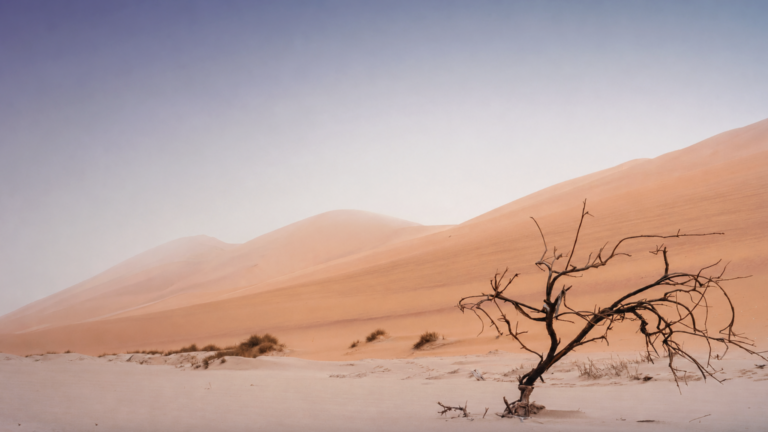
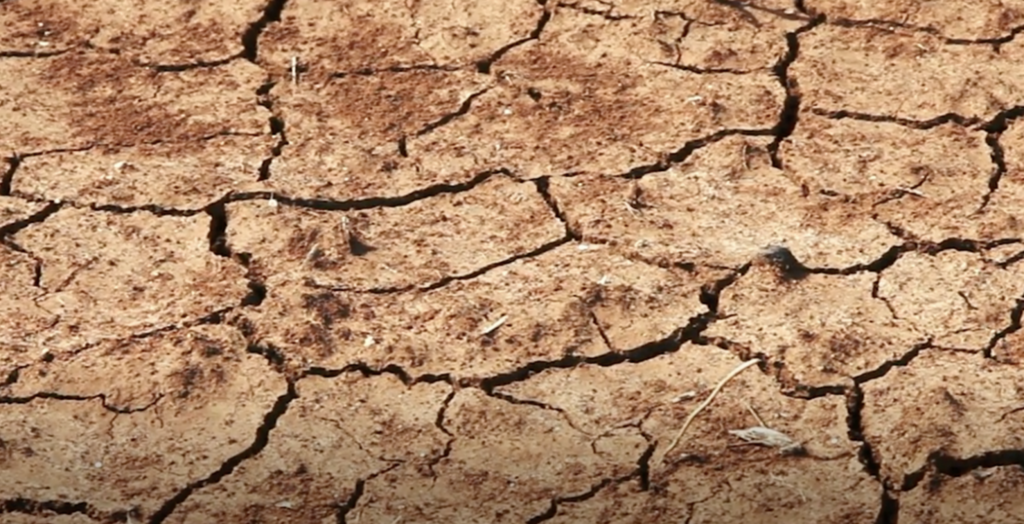
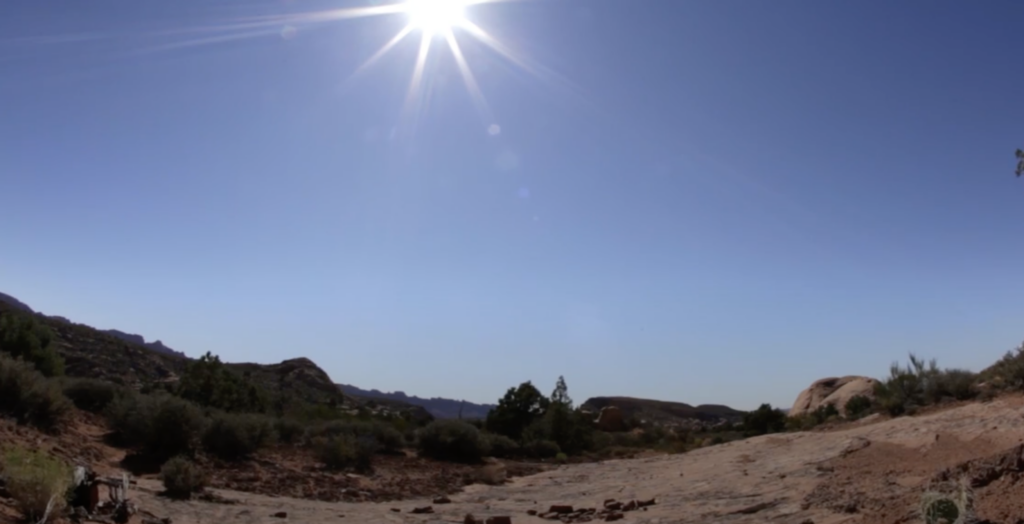
Few environments on Earth are as unforgiving as the desert. Humans are built to survive within a fairly narrow range of temperatures, and we depend on a steady supply of water to stay alive. A desert pushes both of those limits to the extreme.
Daytime temperatures can climb to a blistering 49°C (120°F), while nights may plunge below freezing, reaching as low as -18°C (0°F). Without preparation, these dramatic swings can quickly become life threatening. If you ever find yourself stranded in the desert, every decision you make could determine whether you survive.
Fortunately, survival experts and scientific research point to several strategies that can greatly improve your chances of making it out alive.
Your first priority is protecting yourself from the sun. A wide brimmed hat is one of the most valuable items you can have because it shades your face, neck, and head from direct sunlight. By reducing your body temperature, you sweat less and conserve precious water. If possible, stay in the shade during the hottest hours of the day. Every minute spent out of the blazing sun helps preserve your energy and slows dehydration.
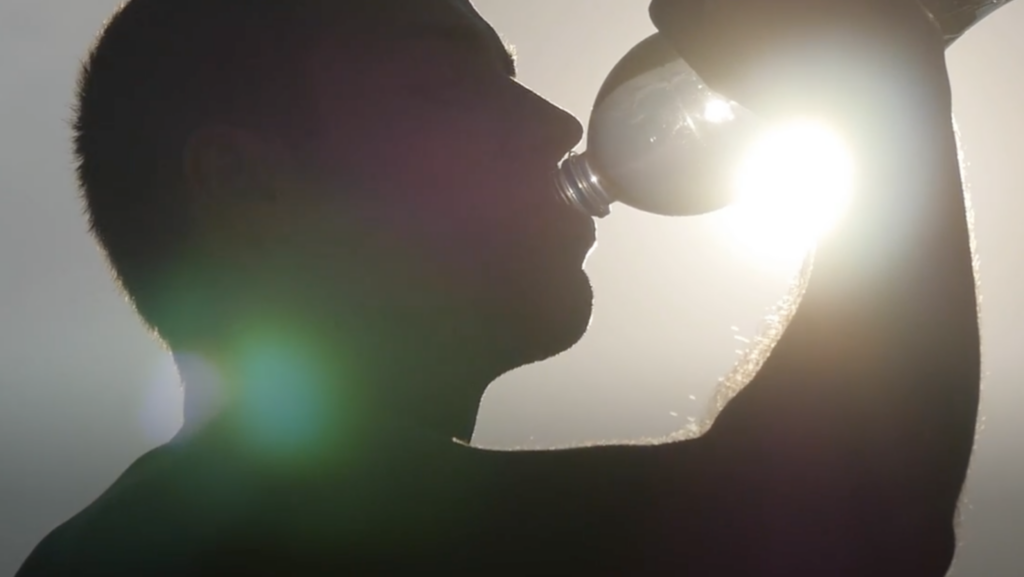
Water is your most valuable resource, so resist the urge to drink it all as soon as you become thirsty. Instead, ration your supply carefully. One useful way to monitor your hydration is by checking the color of your urine. Dark urine is a warning sign that your body needs water, while pale urine suggests you’re still reasonably hydrated. Taking small sips when necessary is often more effective than emptying your bottle all at once.
If you have no water, you may need to search for it. Animal tracks can sometimes lead to natural water sources because wildlife depends on them for survival. Dry stream beds and river channels are also worth investigating. In some cases, water can be found just beneath the surface, especially along the outside edge of a river bend where moisture tends to collect.
Not every water source is safe. Standing pools may contain harmful bacteria, parasites, or other contaminants that could cause vomiting or diarrhea, making dehydration even worse. Before drinking unfamiliar water, check its smell and taste carefully if you have no other options. Early morning dew can also provide small amounts of moisture. Some cactus fruits contain water as well, although eating too much can upset your stomach, so they should only be consumed in moderation.
One of the biggest threats in a survival situation is panic. Fear often causes people to waste energy by wandering aimlessly or making impulsive decisions. Staying calm allows you to think clearly and prioritize what matters most.
Unless you know exactly where you are and have a reliable route to water or rescue, remaining close to the place where you became stranded is usually the safest choice. Search teams often begin looking in the last known location, making it much easier for rescuers to find someone who stays put.
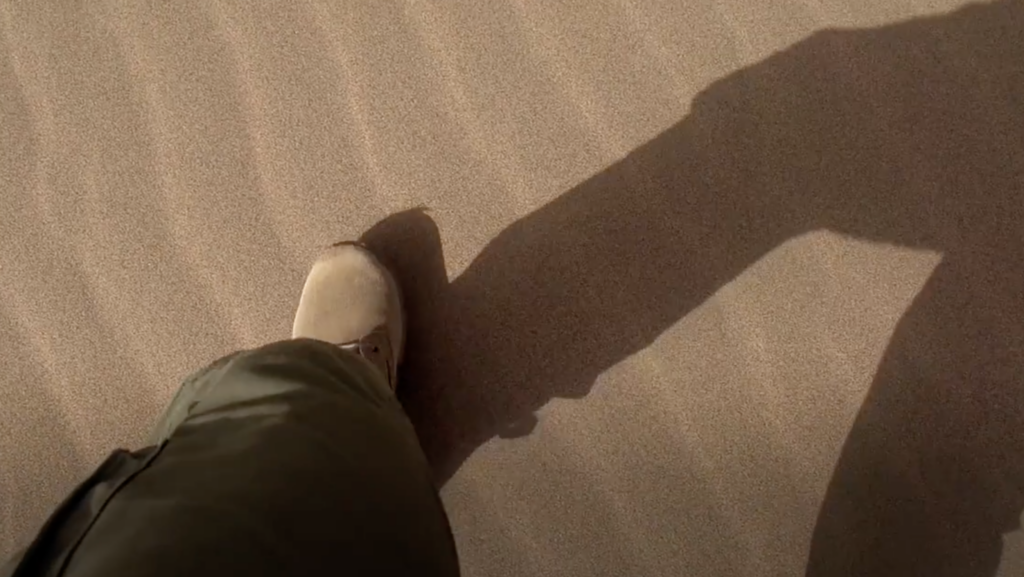
If you must travel, avoid walking during the hottest part of the day. Instead, rest in the shade during daylight hours and move during the cooler temperatures of the evening or early morning.
Building a simple shelter can dramatically improve your chances of survival. Even a basic structure made from a poncho, parachute, tarp, or available natural materials can shield you from the intense daytime sun and help retain warmth after sunset. A shelter reduces the amount of energy your body uses to regulate its temperature, allowing you to conserve both strength and water.
At night, if conditions allow, a fire can serve two important purposes. It provides warmth when temperatures drop and creates a visible signal that may attract rescuers from a distance.
Food is far less important than water. A healthy person can survive for weeks without eating, but only a few days without water. If you have food, eat only small portions to maintain your energy. Large meals require additional water for digestion, increasing your body’s demand for fluids.
Should you need to find food in the desert, certain cactus species can provide nourishment, but identifying edible plants correctly is essential. Avoid eating unfamiliar insects or reptiles, as some may be poisonous or carry harmful parasites.
A simple trick that can slow dehydration is keeping your mouth closed whenever possible. Breathing through your mouth allows moisture to escape more quickly. Covering your mouth with a bandana or lightweight cloth can help reduce moisture loss while also filtering dust from the dry desert air.
Finally, resist the temptation to remove your clothing because of the heat. Although it may seem like a good way to cool down, exposed skin absorbs more solar radiation and burns quickly. Lightweight, loose fitting clothing actually helps regulate body temperature by shielding your skin from direct sunlight while slowing the loss of moisture through sweat.
Getting stranded in the desert is one of the most dangerous survival situations imaginable, but it does not have to be hopeless. Protect yourself from the sun, conserve every drop of water, stay calm, build shelter, eat sparingly, and avoid unnecessary movement during the heat of the day. By understanding how the desert affects the human body and following these science based survival techniques, you give yourself the best possible chance of staying alive until help arrives.