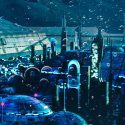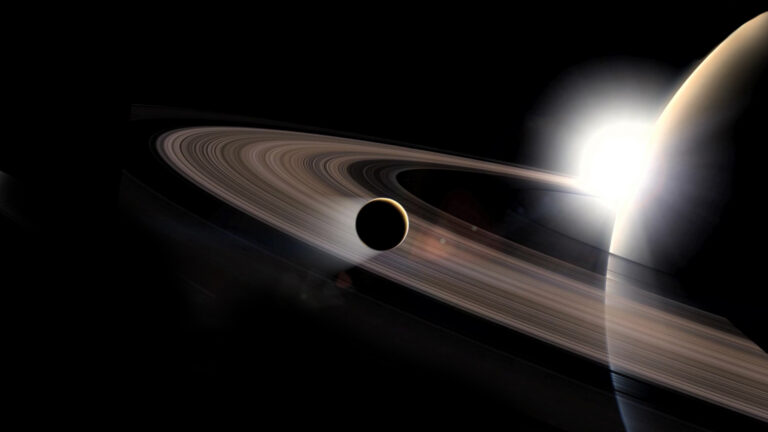
Even if Titan were much closer to Earth, creating a permanent settlement there would still be one of humanity’s greatest engineering challenges. But among all the worlds in our Solar System, Saturn’s largest moon offers some unique advantages that make it a serious candidate for future colonization.
Titan is often described as one of the most Earth like places beyond our planet. It has a dense atmosphere, weather, seasons, and even lakes and rivers, although they are filled with liquid methane and ethane instead of water.
That does not mean life there would be easy.
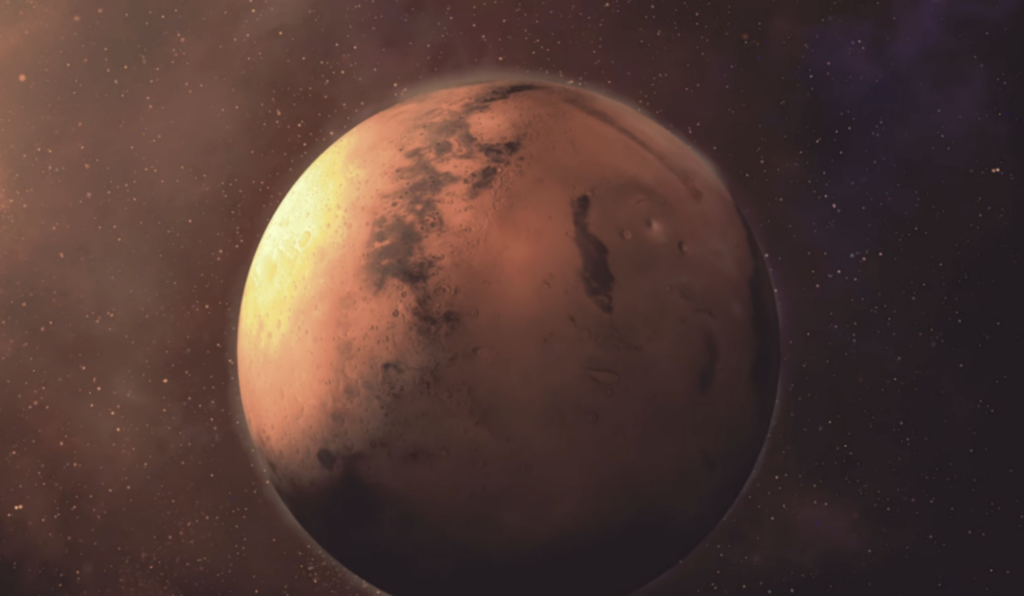
Titan’s atmospheric pressure is about 60 percent higher than Earth’s, roughly the same pressure a diver experiences a few meters below the ocean’s surface. It also experiences seasons similar to Earth, except each one lasts about seven years because of Saturn’s long orbit around the Sun.
One of Titan’s greatest resources is its enormous supply of hydrocarbons. These compounds could provide both fuel and raw materials for manufacturing, making the moon far more self sufficient than many other potential colonies.
Before humans could arrive, fleets of robotic machines would likely prepare the settlement site. These autonomous builders could construct shelters, establish mining operations, and install the basic infrastructure needed to support future residents.
The local methane and ethane could even be processed into useful materials such as plastics, reducing the need to transport construction supplies from Earth.
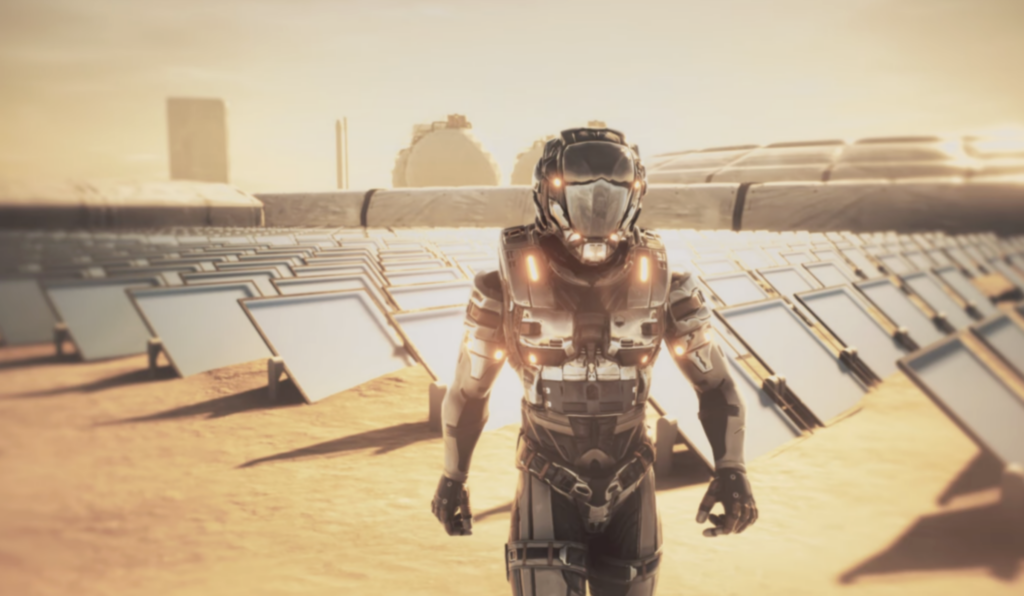
Powering an entire colony would be another enormous task. Because Titan receives only a small fraction of the sunlight that reaches Earth, huge solar arrays or alternative energy systems would be needed to keep the settlement operating.
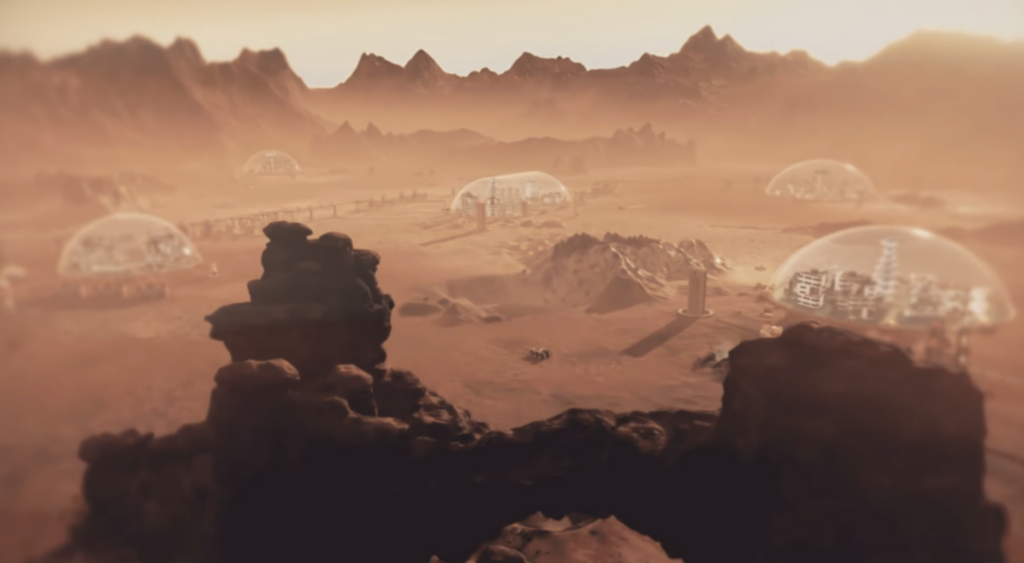
Even after the colony was built, surviving there would remain difficult. Surface temperatures average around minus 179 degrees Celsius, cold enough to freeze almost everything familiar to us. People would have to live inside sealed habitats where temperature, air quality, and life support systems are carefully controlled.
Growing food would be just as important as producing oxygen. Scientists have already learned valuable lessons from growing crops aboard the International Space Station, proving that plants can survive beyond Earth. Those discoveries could help future settlers cultivate vegetables inside Titan’s protected greenhouses.
Since natural sunlight is extremely weak that far from the Sun, artificial lighting would play a major role in keeping crops healthy throughout the year.
Life inside the colony would also be highly monitored. Airlocks, equipment, and habitat systems would constantly record activity to maximize safety. Sensors could even track residents’ locations and health, making daily life far more closely managed than in cities on Earth.
If an emergency or crime occurred, investigators would have access to detailed records showing exactly what happened, leaving very little room for mystery.
Despite the advanced technology, a Titan colony would need much more than astronauts and scientists. Engineers, doctors, mechanics, farmers, technicians, teachers, and cooks would all play essential roles in keeping the settlement running.
Like any successful community, the first city on Titan would depend on people with many different skills working together to build a new home nearly 1.5 billion kilometers from Earth.