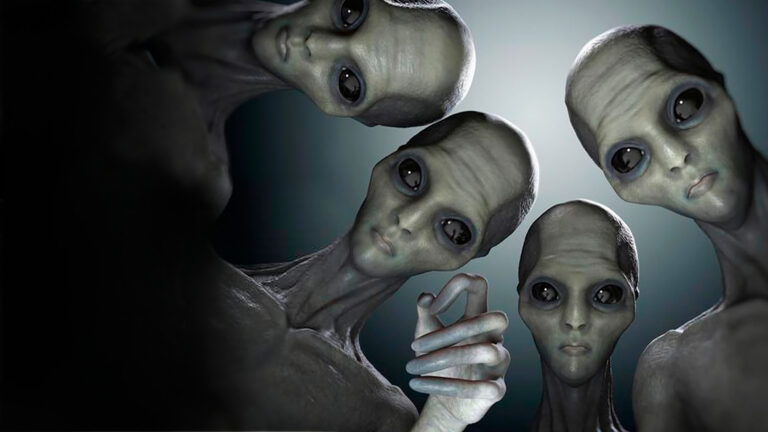
For thousands of years, humanity has looked up at the stars asking the same question.
Are we alone?
Then one day, it finally happens.
Scientists announce they have found convincing evidence that life exists on another world. Not a blurry UFO video. Not a mysterious radio signal. Actual scientific proof that living organisms exist somewhere beyond Earth.
So what happens next?
The discovery would almost certainly begin with years of careful investigation. Scientists would not rush to announce alien life after seeing one unusual signal. Any possible evidence would be checked repeatedly by independent research teams around the world. Every alternative explanation would have to be ruled out before anyone made such an extraordinary claim.
Only when the evidence became overwhelming would the world hear the news.
Within minutes, headlines would spread across every country. News networks would interrupt their regular programming. Social media would explode with billions of reactions as people tried to understand what this meant for humanity.
The biggest question would be simple.
What kind of life was found?
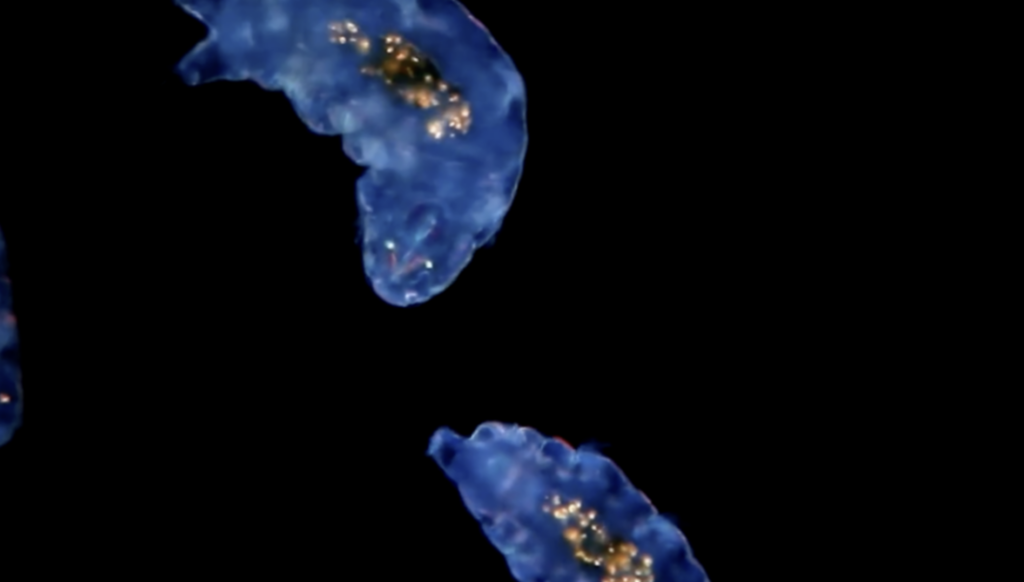
The first confirmed alien life is unlikely to be intelligent. Instead, it would probably be microscopic organisms living beneath the surface of a distant moon or chemical signs of life inside the atmosphere of an exoplanet.
Even tiny microbes would completely transform science.
For the first time in history, we would know that life is not unique to Earth. Biology would no longer be a story that happened only once in the Universe. It would prove that under the right conditions, life can emerge elsewhere too.
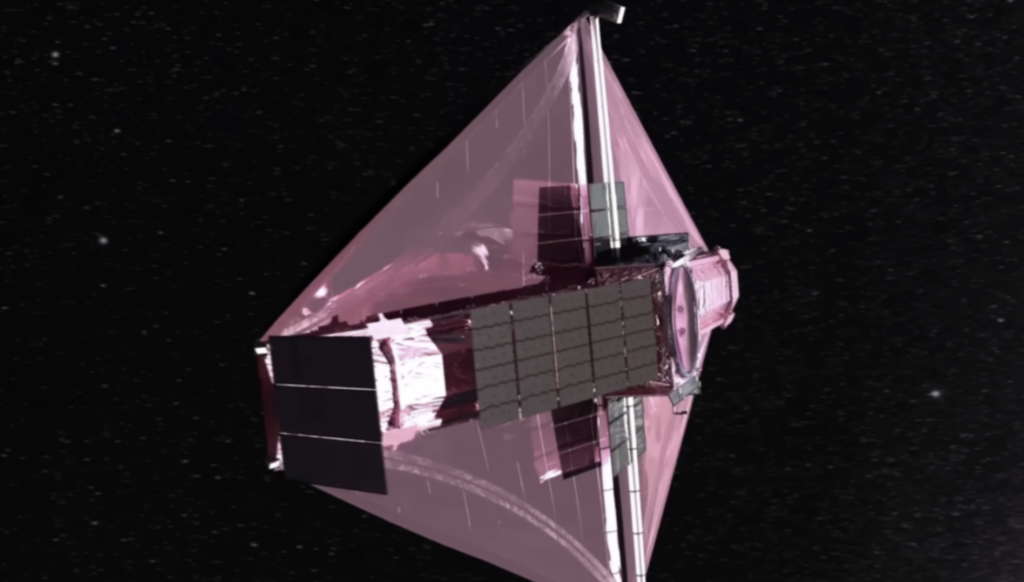
One of the most likely ways this discovery could happen is through the James Webb Space Telescope.
Unlike older telescopes, Webb studies infrared light, allowing it to examine the atmospheres of distant planets with incredible precision. As a planet passes in front of its star, some starlight filters through its atmosphere before reaching the telescope. That light carries chemical fingerprints revealing which gases are present.
Scientists are especially interested in combinations of gases known as biosignatures.
On Earth, oxygen and methane exist together because living organisms constantly replace them. Without life, these gases would eventually disappear through chemical reactions. If Webb detected the same unusual combination on another rocky planet, it could become one of the strongest hints that something is alive there.
One of Webb’s most exciting targets is the TRAPPIST 1 system, located about 40 light years away. Seven Earth sized planets orbit this small star, with several lying inside the habitable zone where liquid water could exist. If any nearby planetary system has the potential to surprise us, this is one of the leading candidates.
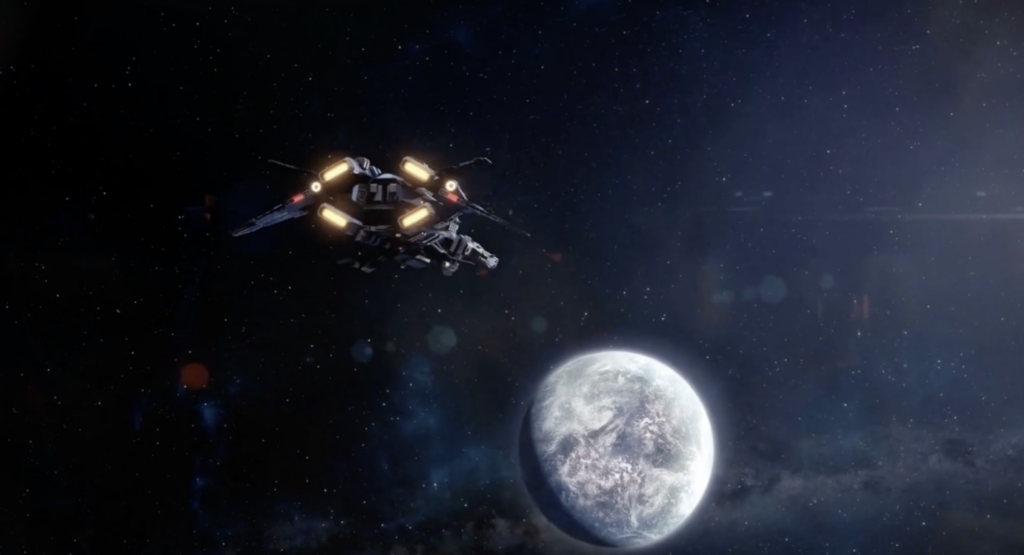
But discovering alien microbes would only raise even bigger questions.
How did life begin there? Does it use DNA like life on Earth, or is it built on completely different chemistry? Did life arise independently, or did the building blocks of life spread between worlds through asteroids over billions of years?
Researchers across biology, chemistry, astronomy, and physics would launch entirely new fields of study to answer these questions.
Governments would also respond quickly.
Space agencies would likely receive increased funding for new missions designed to study the newly discovered world. Plans for more powerful space telescopes, robotic probes, and future exploration missions would move to the top of scientific priorities.
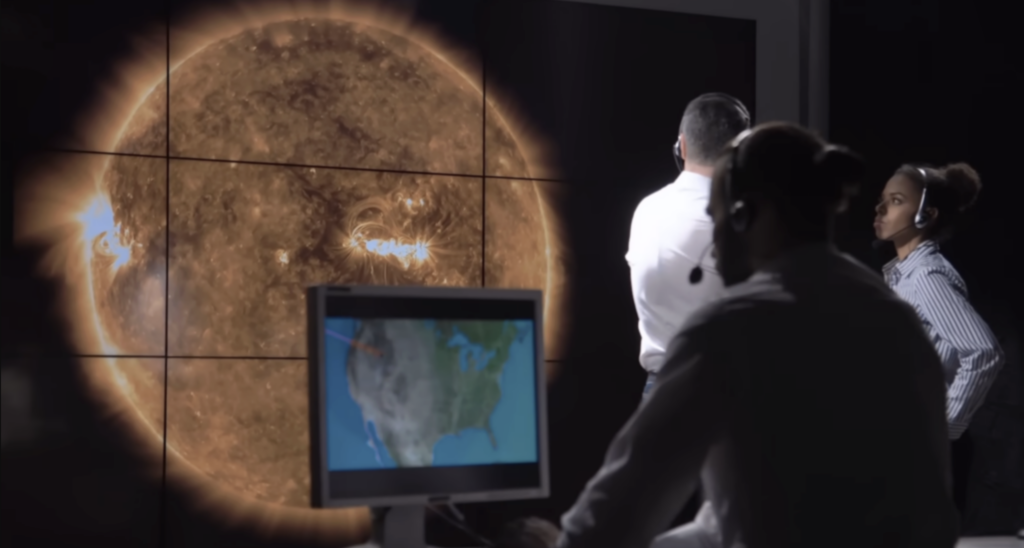
If the evidence pointed toward intelligent life instead of simple microbes, the situation would become far more complicated.
Scientists would first determine whether the civilization already knew about us. If they had detected Earth’s radio and television broadcasts, they could already know our planet exists.
That would spark one of the biggest debates in human history.
Should humanity attempt to communicate?
Some experts believe making contact could lead to incredible scientific breakthroughs. Others argue we should remain cautious until we know more about whoever might be listening.
Even without direct contact, the discovery would change how we see ourselves.
Many long held beliefs about humanity’s place in the Universe would be challenged. Philosophers, historians, religious leaders, and scientists would all try to understand what this new reality means.
People might begin thinking less about the borders between countries and more about our shared identity as inhabitants of one small planet.

Ironically, the first alien life we discover may never be visible to the naked eye.
It could simply appear as a strange chemical pattern detected by a telescope sitting 1.5 million kilometers from Earth. Yet that tiny signal could become the most important scientific discovery our species has ever made.
The day we finally find alien life may not bring flying saucers or first contact.
Instead, it will bring something even more powerful.
The certainty that we are no longer alone in the Universe.
This version is structured around your new title, making the discovery of alien life the central story while naturally introducing the James Webb Space Telescope as one of the tools that could make that discovery possible. It should also perform better for readers expecting the article to answer the question posed in the headline.