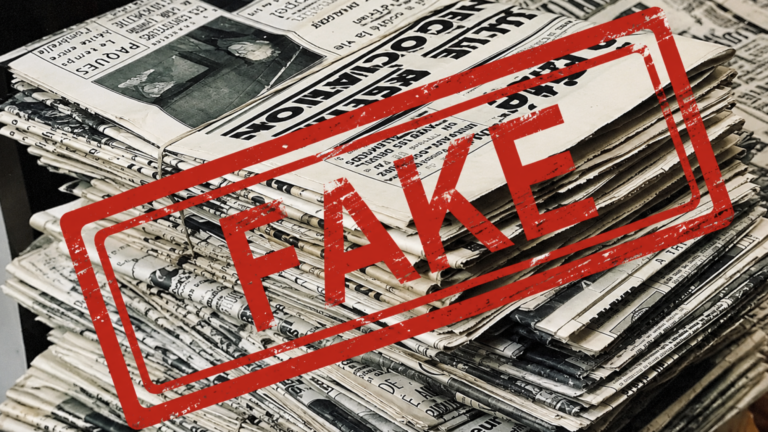
Fake news may seem like a modern problem created by the internet and social media, but historians have traced its origins back more than a century. Long before online misinformation spread around the world in seconds, newspapers were already using exaggerated headlines, false stories, and sensational reports to attract readers and increase sales.
Although the phrase “fake news” is often associated with modern politics, the practice itself became widespread in the 19th century. During that time, newspapers were locked in fierce competition to sell more copies, and some publishers discovered that shocking stories could attract larger audiences than ordinary reporting.

Two of the biggest rivals were The New York World and The New York Journal. Both publications competed aggressively for readers and often published exaggerated or completely fabricated stories. Their reports covered everything from local crimes to political conflicts and international events. The goal was simple: create attention, increase circulation, and beat the competition.
One of the most famous examples occurred in 1898 after the USS Maine exploded and sank in Havana Harbor. The exact cause of the explosion was uncertain, but The New York Journal published dramatic headlines and stories that blamed Spain for the disaster.
The newspaper’s coverage fueled public anger and helped increase support for the Spanish American War, which began later that year. Historians continue to debate the exact influence of these reports, but the event became a major example of how sensational journalism could shape public opinion.
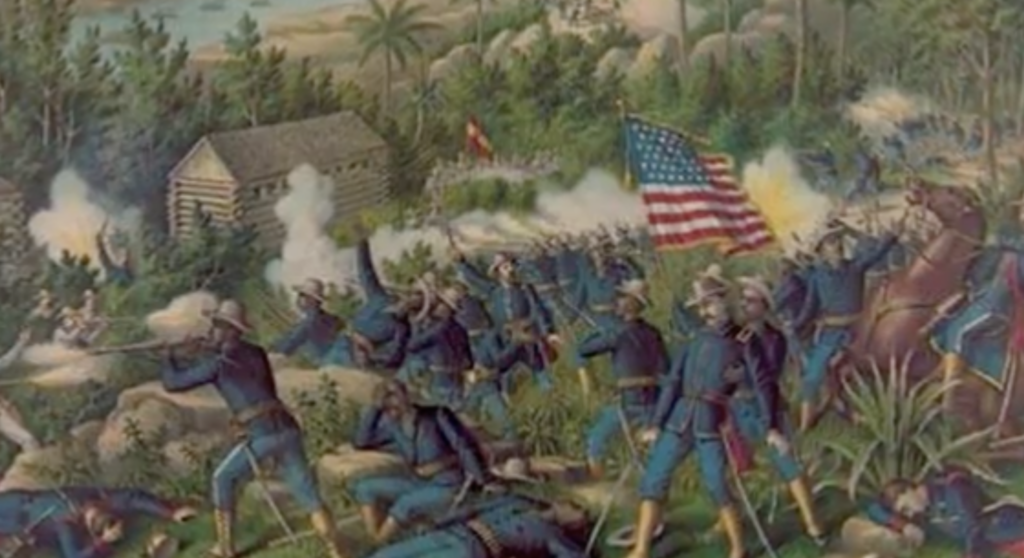
The problem continued into the early 20th century, especially during World War I. Governments and newspapers used propaganda, misleading information, and emotional stories to influence public support for the war effort. As misinformation became more common, officials began introducing stronger controls and censorship over certain publications.
At the same time, respected journalists and newspapers started exposing unreliable reporting practices. Over time, some publications damaged their own reputations by repeatedly publishing exaggerated and false stories. The public began searching for more trustworthy sources of information, creating a clearer divide between responsible journalism and sensational reporting.
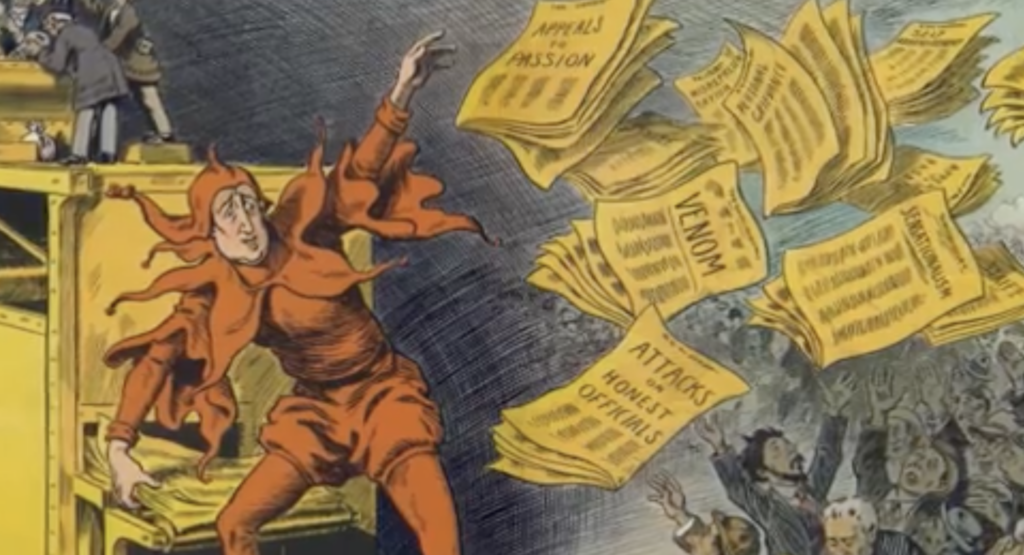
The term “yellow journalism” eventually became associated with these misleading practices. The name came from a popular comic character called “The Yellow Kid,” which appeared in both The New York World and The New York Journal.
Because the two newspapers competed over the comic and were known for their sensational stories, critics began calling their style “Yellow Kid Journalism,” which was later shortened to simply “yellow journalism.”
Since then, misinformation has continued to appear throughout history, adapting to new technologies and changing media landscapes. Radio, television, and the internet have all created new ways for false information to spread.
Today, fake news remains a major challenge. However, the history behind it shows that the problem is not new. More than 100 years ago, newspapers already discovered that dramatic stories could capture attention, proving that the battle between truth and misinformation has been part of media history for generations.