When people think of the deadliest animals in Africa, lions usually come to mind. They are powerful predators with razor sharp teeth and an unmatched reputation. But the animal responsible for more hunter deaths is not the lion. It is the Cape buffalo.
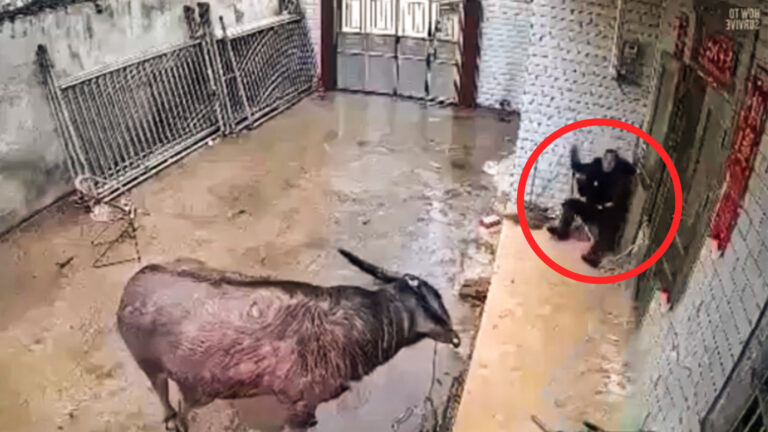
Often called the Black Death by hunters, the Cape buffalo has earned a fearsome reputation for its unpredictable behavior and relentless attacks. Unlike many dangerous animals that give warning signs before charging, a Cape buffalo can stand perfectly still one moment and launch a full speed attack the next. That is one reason experienced guides consider it one of the most dangerous animals on the continent.
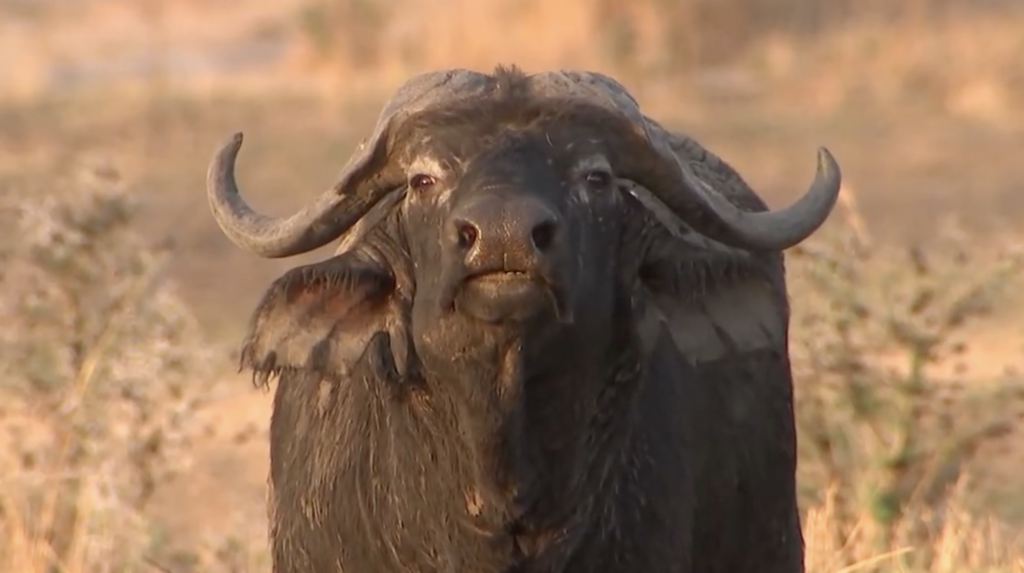
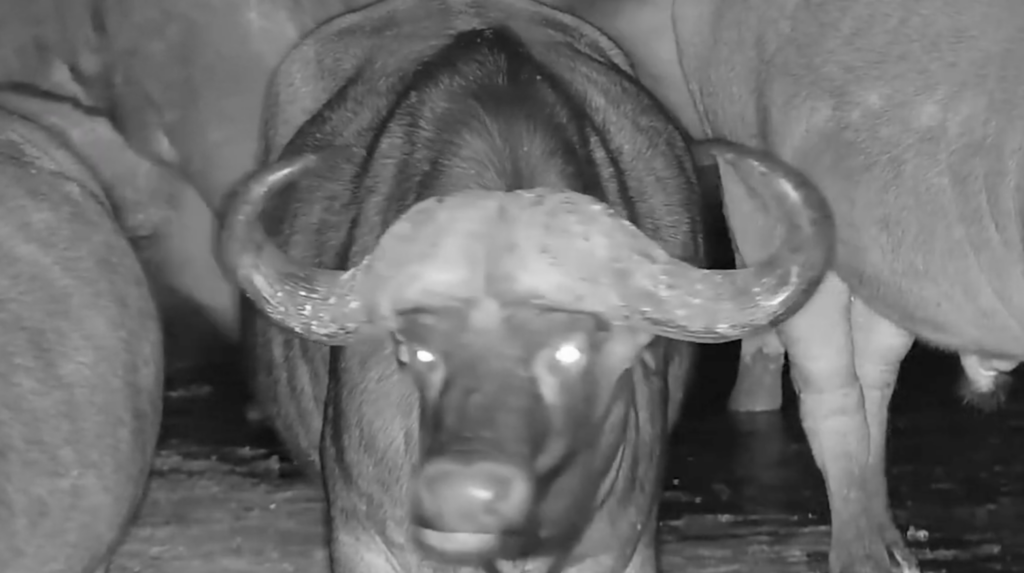
An adult Cape buffalo can weigh as much as 860 kilograms, or nearly 1,900 pounds. Its thick horns form a solid shield across its forehead, while the sharp tips on each side can easily gore an attacker. Combined with its muscular body and powerful legs, the buffalo is capable of crushing almost anything in its path.
Even lions rarely challenge a healthy adult Cape buffalo. Instead, they usually target calves, older animals, or those that are already injured. A healthy buffalo is simply too dangerous, even for Africa’s most famous predator.
One reason Cape buffaloes kill so many hunters is that hunters often have to get much closer to the animal. Unlike tourists watching from safari vehicles, hunters usually approach on foot, giving the buffalo far more opportunities to charge. Once a buffalo decides to attack, it can reach speeds of up to 56 kilometers per hour, making escape nearly impossible.
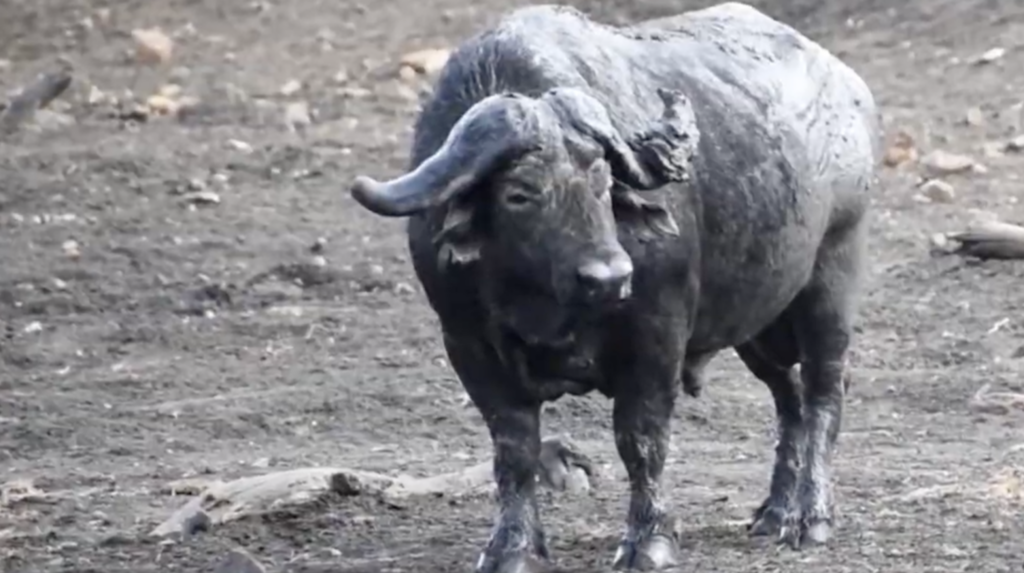
The most dangerous individuals are often older males known as dagga boys. These bulls have left or been pushed out of the herd and spend much of their time alone around muddy watering holes. They are known for their bad tempers and are far more likely to attack anything they see as a threat.
If you ever encounter a Cape buffalo in the wild, the safest decision is to keep your distance. Never approach one on foot, especially if it is alone. Unlike elephants that may flap their ears or lions that roar before attacking, a buffalo often gives no warning at all.
If one charges, fighting back or trying to injure it is unlikely to help. In fact, a wounded Cape buffalo often becomes even more aggressive and continues attacking despite serious injuries. Some experienced walking guides even suggest lying flat on the ground if escape is impossible, as climbing a tree may simply leave the buffalo waiting below until you come down.
If the buffalo reaches you, surviving the initial impact may be your only chance. Some victims have lived because the animal struck once and moved on instead of continuing the attack.
One remarkable example happened in Zimbabwe in 2011 when Angie Heister was gored from behind by a male Cape buffalo while walking through the savanna. She suffered devastating injuries, including damage to her spine that left her paralyzed. Despite the severity of the attack, she survived because the buffalo did not continue charging after the first strike.
The Cape buffalo may not receive as much attention as lions, but among experienced hunters and safari guides, it commands even greater respect. Its massive size, explosive speed, unpredictable nature, and willingness to fight make it one of the most dangerous animals in Africa. That is exactly why it has earned a reputation for killing more hunters than lions ever do.