You feel something bite into your skin. A sharp pain shoots through your body as you look down and see a powerful insect locked onto you. But the bite is only the beginning. Moments later, the real danger arrives: a venomous sting from one of the most aggressive ants on the planet.
You have just encountered the bull ant, an insect so dangerous that it has earned a reputation as one of the deadliest ants in the world.
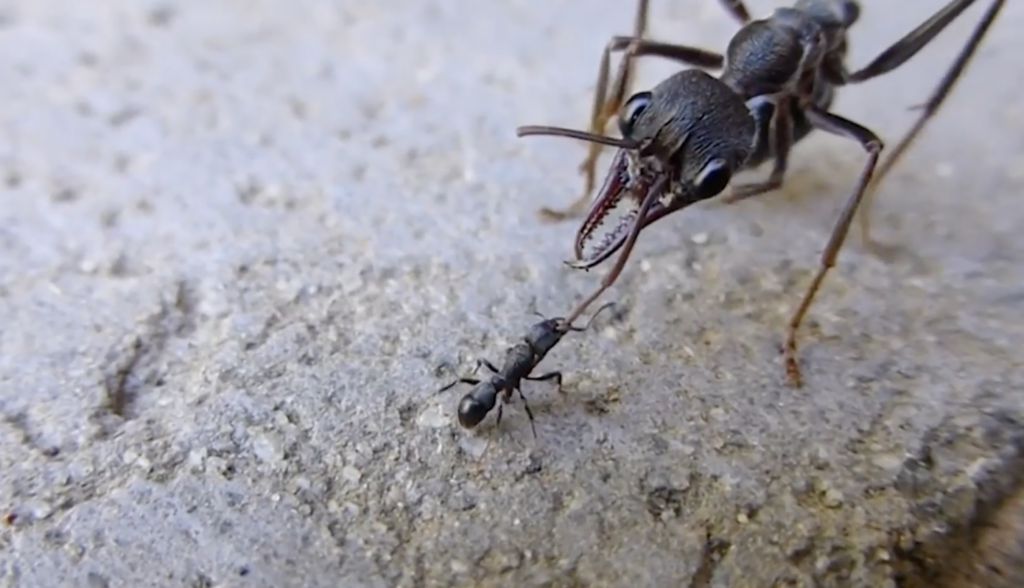
Native to Australia, especially regions like Sydney and Tasmania, bull ants belong to the Myrmecia group. Unlike many ants that rely on overwhelming numbers, bull ants are fearless hunters and defenders. They have excellent eyesight, strong instincts, and an aggressive nature that makes them quick to attack anything they believe threatens their colony.
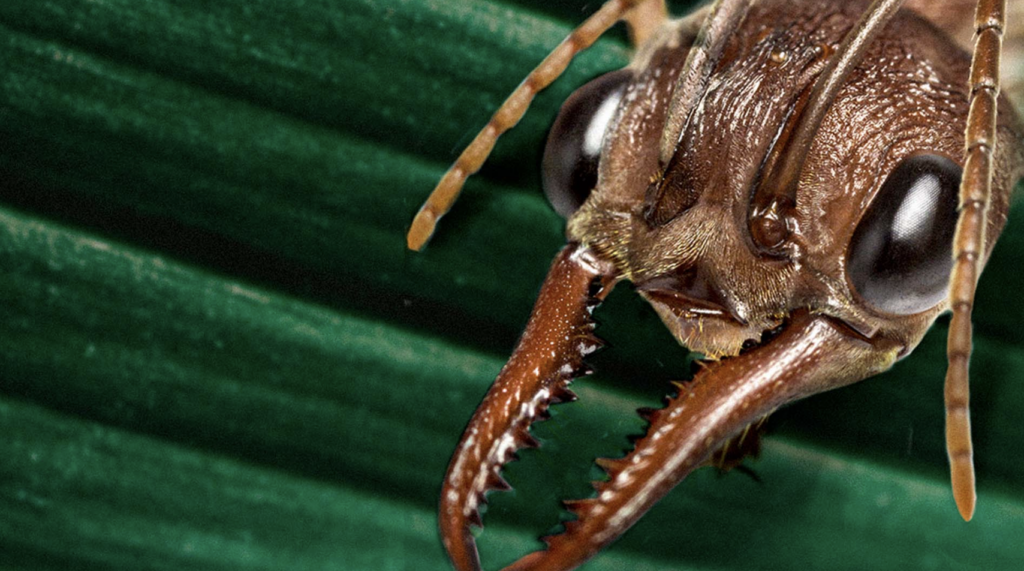
A bull ant attack happens in two stages. First, it uses its long, powerful mandibles to grab onto an enemy’s skin. Once it has a firm grip, it bends its body forward and drives a stinger from the end of its abdomen into the target.
Unlike a honeybee, which loses its barbed stinger after one attack, the bull ant has a smooth stinger that allows it to strike repeatedly. Each sting injects venom capable of causing intense pain and serious allergic reactions.
The venom is strong enough to penetrate clothing and evolved to defend against predators like the echidna, an animal with thick skin and protective spines. For humans, the biggest danger is not always the pain itself, but the possibility of anaphylaxis, a severe allergic reaction that can become fatal within minutes.
Fortunately, only a small percentage of people are allergic to bull ant venom. However, those who are allergic may experience life threatening symptoms, especially if they have a history of serious reactions to insect stings, respiratory conditions, or other risk factors.
The best way to survive a bull ant encounter is to avoid being stung in the first place.
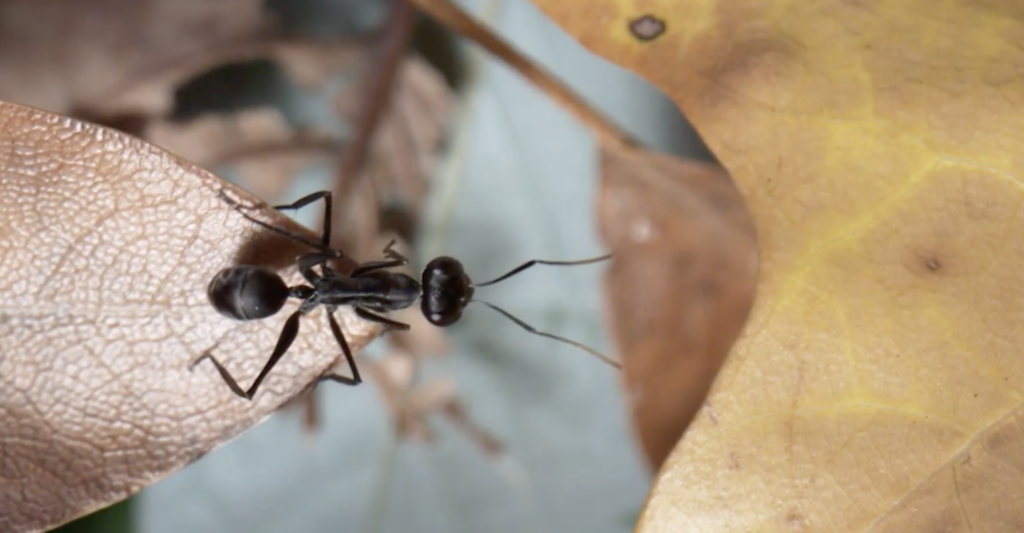
Bull ants usually build their nests underground, often hidden in gardens, beneath rocks, inside rotting wood, or under loose soil. Their nests can be difficult to spot, and the ants will aggressively defend their territory if they sense danger.
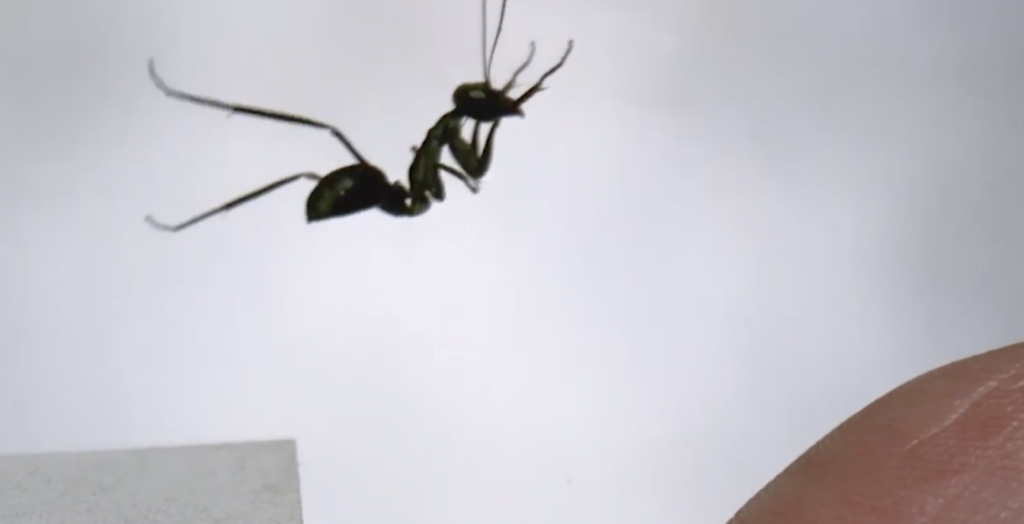
One especially dangerous species is the jack jumper ant, a type of bull ant found mainly in Tasmania. Unlike many other ants, jack jumpers can jump toward threats, allowing them to attack from a greater distance. Their venom is responsible for the majority of serious ant allergy cases in Tasmania.
In one incident, a young child suffered anaphylaxis after being stung multiple times by jack jumper ants while playing outdoors. The attack showed just how dangerous these tiny creatures can be.
Protection is the best defense. If you are gardening or walking through areas where bull ants are common, wear closed shoes, thick socks, and gloves. Heavy clothing may not completely prevent a sting, but it can make it harder for the ant to reach your skin.
If you are stung, remove the ant immediately. Bull ants often sting repeatedly, so leaving the area quickly can prevent additional attacks from nearby ants. Wash the affected area with soap and water, apply ice to reduce swelling, and use appropriate treatments for mild reactions.
However, if you experience trouble breathing, dizziness, swelling of the tongue or throat, or signs of a severe allergic reaction, seek emergency medical help immediately. People who carry an epinephrine injector should use it as directed during a serious reaction.
Bull ants may be small compared to other dangerous animals, but their confidence, powerful jaws, and venomous sting make them one of the most intimidating insects on Earth. The bite may hurt, but the real danger comes from what happens next.