When people imagine dangerous snakes, they usually picture dense jungles or scorching deserts. But some of the world’s most venomous snakes spend their entire lives in the ocean, and one remote island has become one of their favorite places on Earth.
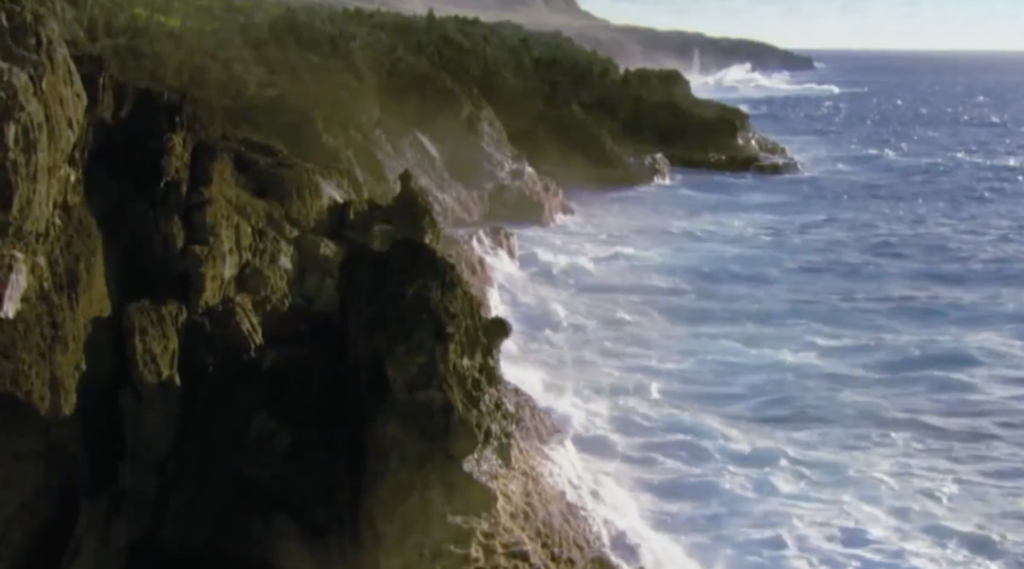
Welcome to Manuk Island, an uninhabited volcanic island in Indonesia that has earned a reputation as one of the most snake filled places in the sea. Its coastal waters are home to an astonishing number of olive sea snakes, leaving scientists wondering why so many have gathered in one location.
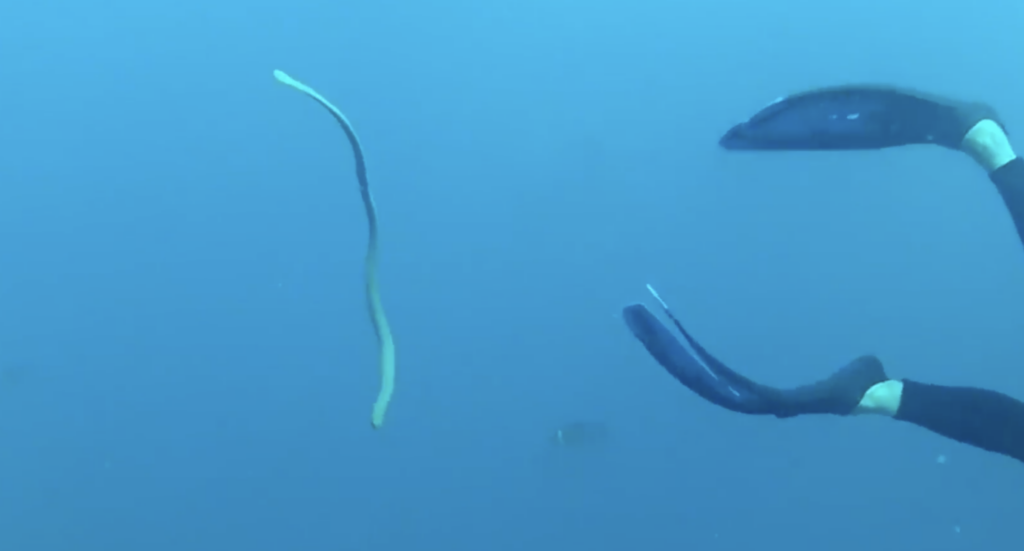
The olive sea snake is perfectly adapted for life underwater. Unlike land snakes, it has a flattened, paddle shaped tail that helps it glide effortlessly through the water. It spends nearly its entire life at sea and only rarely comes onto land.
Although these snakes may look graceful, they should never be underestimated.
An olive sea snake carries highly potent venom that can seriously affect the human nervous system. A bite can cause muscle pain, paralysis, breathing difficulties, and in severe cases, respiratory failure if left untreated. Fortunately, bites are extremely rare because these snakes are generally not interested in attacking people.
So why has Manuk Island become their paradise?
One reason may be the island’s healthy coral reefs. Coral reefs provide shelter, protection, and an endless supply of food, making them the perfect habitat for sea snakes. Because Manuk is so remote, its reefs have remained largely undisturbed, allowing marine life to flourish.
Another advantage is the lack of natural predators. With plenty of prey and very few threats, olive sea snakes have everything they need to thrive around the island.
Still, one unusual visitor occasionally enters their world.
Scuba divers are sometimes surprised to find themselves surrounded by dozens of curious sea snakes. At first glance, this can look like aggressive behavior, but researchers believe something much stranger is happening.
Male olive sea snakes may actually mistake divers for potential mates.
Scientists think this confusion explains why some snakes repeatedly approach swimmers or appear to chase them. In reality, the snakes are often investigating rather than preparing to attack.
If a sea snake swims toward you, staying calm is the safest response. Sudden movements may cause the animal to feel threatened, while remaining still usually allows it to lose interest and swim away.
That does not mean they are harmless.
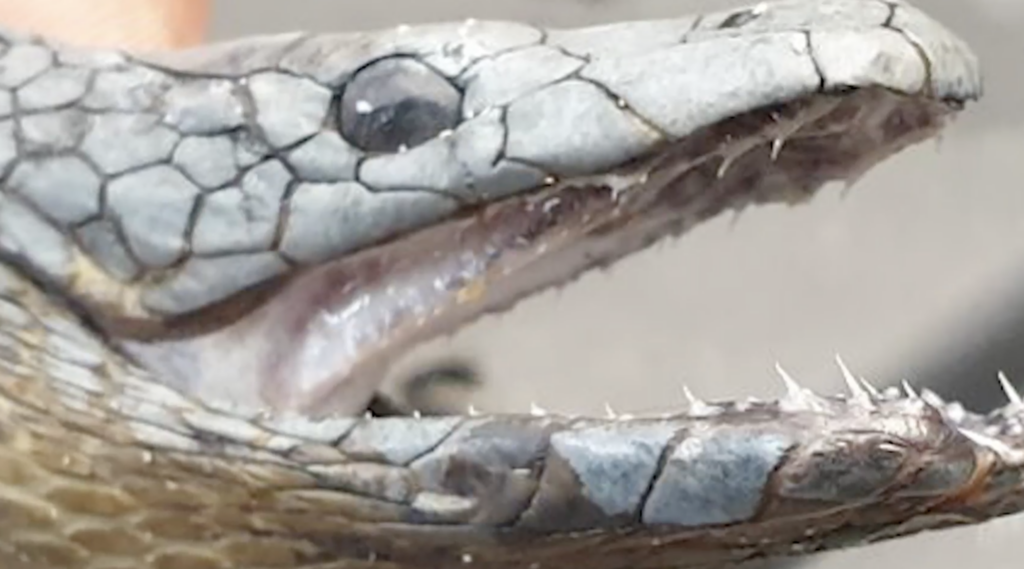
Olive sea snakes can bite underwater, and although their fangs are only about 5 millimeters long, their venom is extremely powerful. Their toxins are designed to quickly disable fish and other prey, making them some of the most venomous snakes in the world.
Fortunately, these snakes rarely inject venom into humans because people are not part of their natural diet.
Their venom serves another important purpose as well.
After capturing prey, the venom begins breaking down tissues, making it easier for the snake to digest its meal. It is a highly effective hunting tool rather than a weapon intended for humans.
Compared with many land snakes, sea snakes have several impressive advantages.
Their streamlined bodies allow them to swim at speeds of up to 3.6 kilometers per hour, moving smoothly through the water with very little effort. Their venom is also more potent than that of many terrestrial snakes because it contains powerful neurotoxins specially adapted for hunting marine animals.
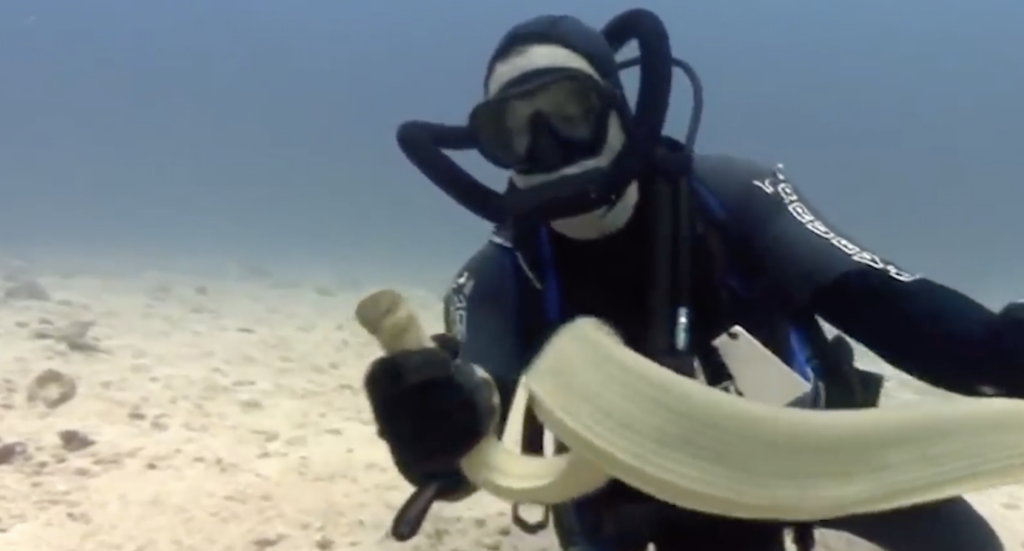
Despite this, sea snakes are relatively small. Most adult olive sea snakes grow between one and one and a half meters long, much shorter than giant constrictors such as pythons and anacondas.
Manuk Island remains one of the world’s most fascinating wildlife hotspots. Surrounded by crystal clear water and healthy coral reefs, it has become a safe haven for one of the ocean’s most mysterious reptiles.
For most people, the idea of swimming among hundreds of venomous sea snakes sounds terrifying.
For olive sea snakes, it is simply home.