When predators begin hunting humans on purpose, something has gone terribly wrong.
Most lions avoid people whenever possible. But in the late 1800s, two male lions in Kenya broke every rule of normal lion behavior. Night after night, they crept into a railway construction camp, dragged sleeping workers from their tents, and vanished into the darkness. By morning, many victims had been completely consumed.
The attacks became one of the most infamous man-eating incidents in history.
The nightmare unfolded during the construction of the Kenya-Uganda Railway through the Tsavo region. Thousands of laborers had been brought in to build bridges and lay track across the harsh wilderness. It was difficult work, but no one expected the greatest danger to come after sunset.

The first disappearances seemed isolated.
A worker would go missing during the night, leaving behind only bloodstained bedding and tracks leading into the bush. Then another disappeared. And another. Before long, panic spread throughout the camp.
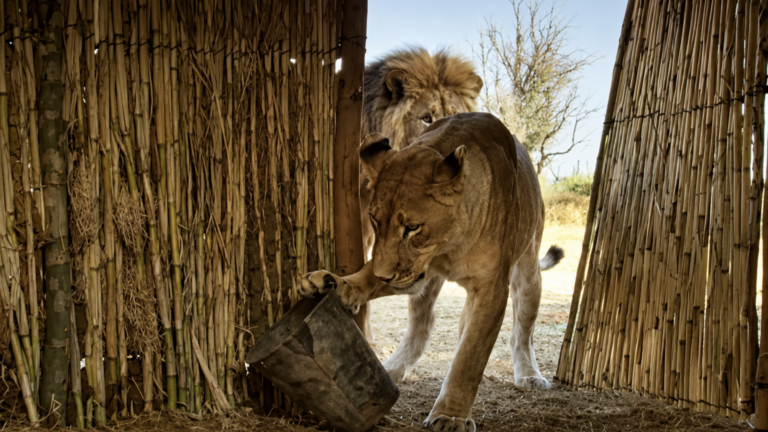
The killers weren’t a pride of lions. They were two unusually large male lions that lacked the thick manes commonly seen in other African lions. More disturbingly, they appeared to have learned that humans were easy prey.
Instead of avoiding campfires and human activity, they grew bolder with every successful attack.
The workers tried everything they could think of to stop them. They built thick barriers made from thorn bushes around the camp, hoping the sharp branches would keep the predators out. Fires burned through the night to scare them away.
The lions ignored both. They simply found new ways inside.

Fear soon overwhelmed the workforce. Some laborers refused to sleep, while others abandoned the project entirely, boarding trains back to the coast and refusing to return until the lions were dead.
Construction on the railway nearly came to a standstill.
The responsibility for ending the attacks eventually fell to Lieutenant-Colonel John Henry Patterson, the engineer overseeing the project. His first attempts failed.
He built elaborate traps using animal carcasses and even human remains as bait, but the lions proved surprisingly cautious. They refused to walk into the traps, forcing Patterson to change tactics.
Instead, he tied live goats near hunting platforms built in trees and waited through long nights with his rifle.
After months of frustration, one of the lions finally approached the bait in early December. Patterson fired, seriously wounding the animal. The injured lion escaped into the bush, leading to a dangerous chase the following morning before it was finally killed.
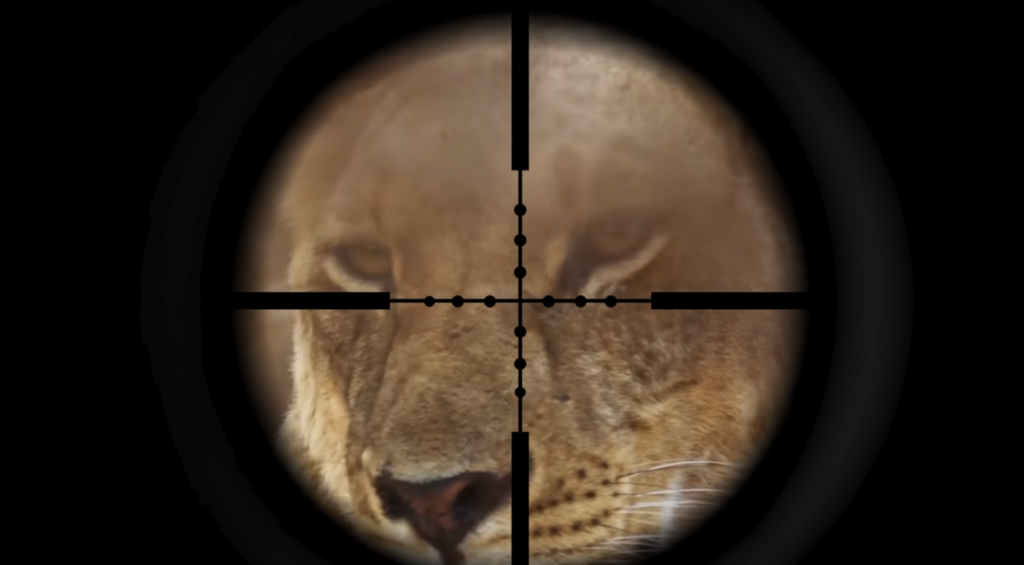
The second lion survived for several more weeks.
Even after watching its companion die, it continued stalking the camp alone. Patterson eventually lured it within range of another live goat and fired multiple shots before finally bringing the predator down.
Only then did the attacks stop. Exactly why the lions turned to hunting humans remains a mystery.
One popular theory suggests that one lion suffered from a painful infection in one of its canine teeth, making it difficult to hunt faster prey like zebras or antelope. Another possibility is that an outbreak of rinderpest, a deadly cattle disease, devastated local wildlife, leaving the lions desperate for food.
There is also disagreement over the number of victims. Patterson later claimed the lions killed 135 people during their nine-month reign of terror. Modern scientific studies based on historical evidence and isotope analysis suggest the true number was likely closer to 35, though even that made them among history’s most notorious man-eaters.
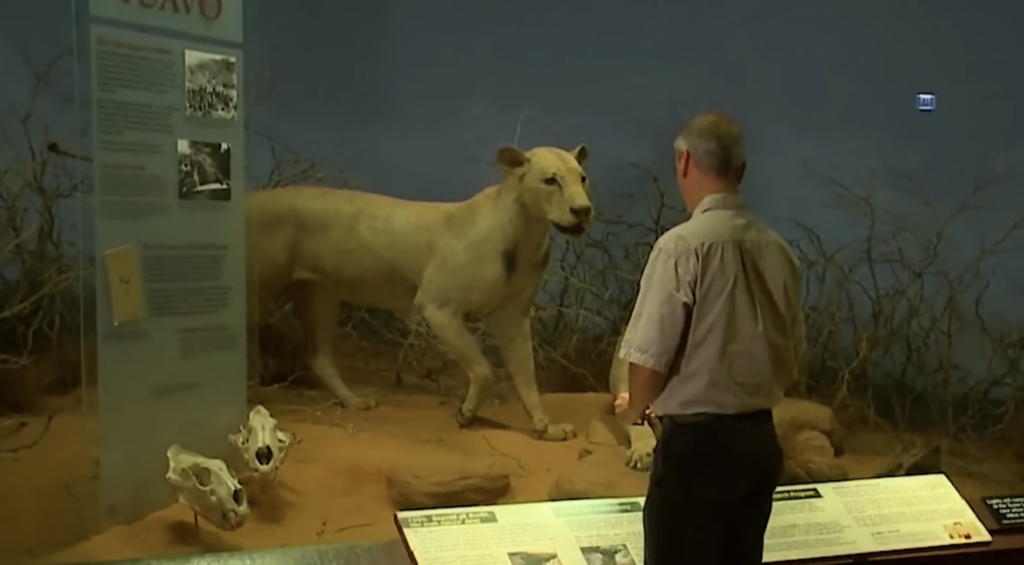
Today, the preserved skins of the Tsavo lions are displayed at the Field Museum of Natural History in Chicago, serving as a reminder of one of the strangest predator attacks ever recorded.
Wildlife experts emphasize that attacks like these are extraordinarily rare. Most lions have no interest in hunting humans. But if you ever encounter a large cat in the wild, never run. Slowly back away, avoid sudden movements, and if an attack becomes unavoidable, fight back using anything available while targeting sensitive areas such as the eyes or nose.