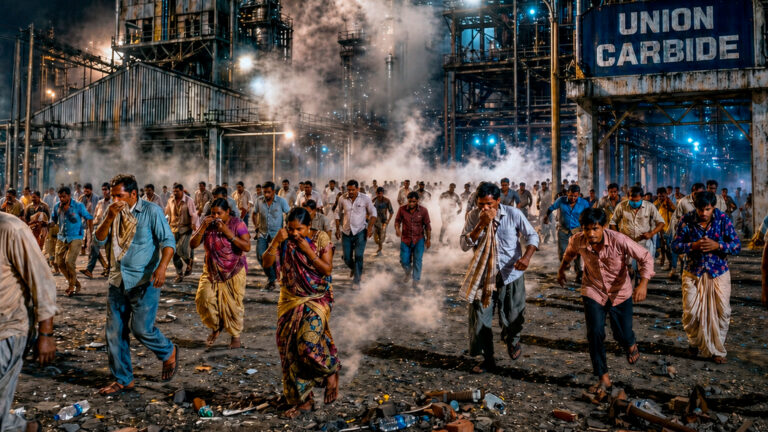
Most of Bhopal was asleep when the disaster began. It was late on December 2, 1984, and millions of people had settled into the night, unaware that a deadly chemical cloud was spreading from an industrial facility toward their homes. Within minutes, people began waking up coughing, choking and struggling to breathe.
The first signs were terrifying. Residents felt intense burning in their eyes and throats. Some described a sensation that made it feel impossible to take a normal breath. Confused families rushed outside, believing that escaping their homes would save them, only to discover that the poisonous air had already spread through the surrounding streets.
Panic quickly consumed the city. People ran in every direction while others collapsed on roadsides. Parents tried desperately to carry their children to safety. Some victims became disoriented or temporarily lost their vision.
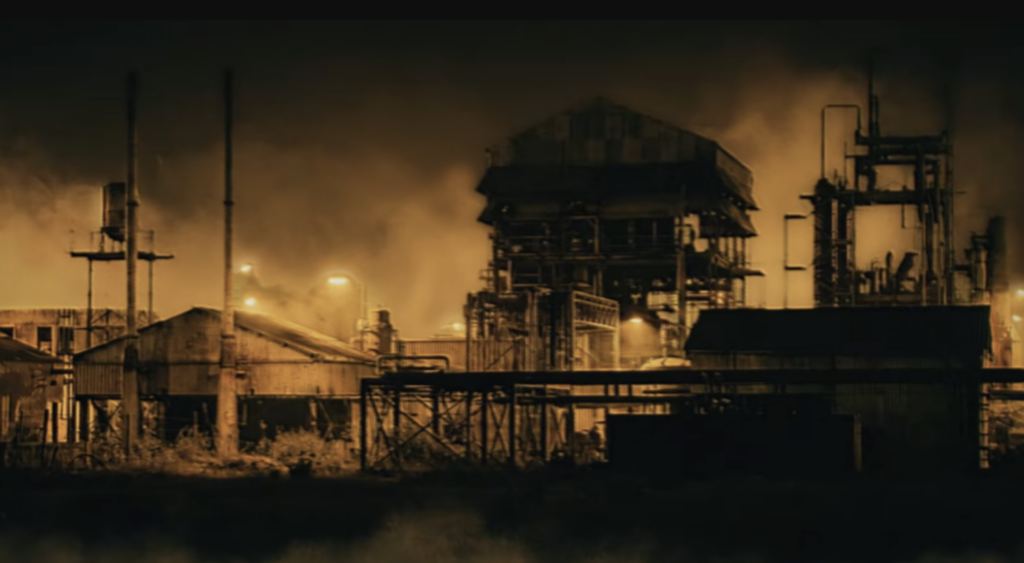
By the time the sun rose, thousands of people were dead and hospitals were overflowing with victims.
The source of the disaster was the Union Carbide pesticide factory located in Bhopal. The facility produced pesticides using methyl isocyanate, commonly known as MIC, a highly toxic chemical that can cause devastating injuries when inhaled. Large quantities of the substance were stored at the plant, dangerously close to densely populated neighborhoods.
The catastrophe was the result of more than a single mistake. Problems had reportedly been building inside the facility for years. Equipment had suffered from poor maintenance, safety procedures had deteriorated and concerns had been raised about dangerous conditions. Several earlier incidents had already demonstrated that working with hazardous chemicals at the plant carried enormous risks.
During the night of December 2, water entered a storage tank containing MIC. The chemical reacted violently, producing intense heat and rapidly increasing the pressure inside the tank. Eventually, the pressure became too great and a massive quantity of toxic gas escaped into the atmosphere.
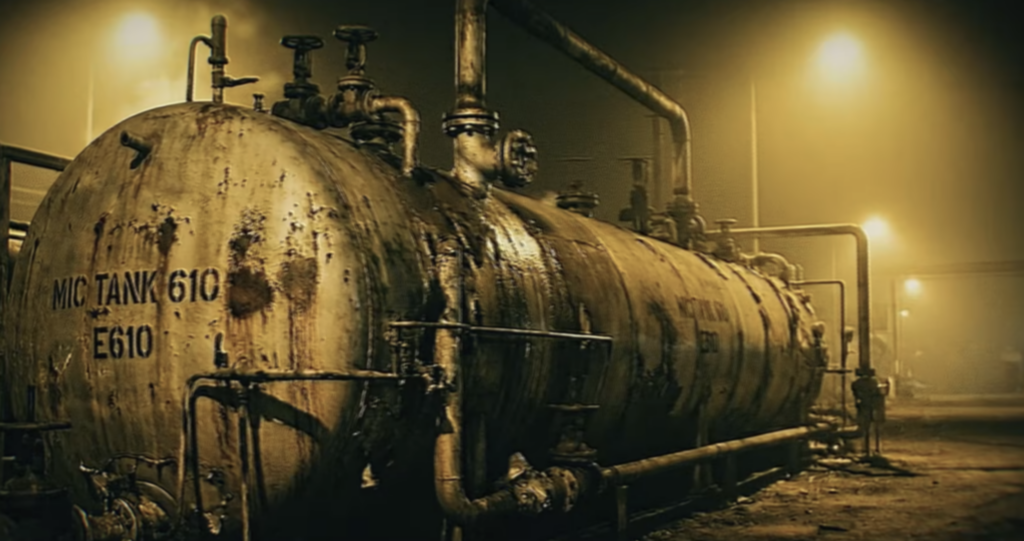
The poisonous material did not simply rise harmlessly into the sky. Because of its physical properties and the weather conditions that night, the gas remained close to the ground and moved directly into nearby residential areas. People sleeping inside their homes had little warning before the cloud reached them.
Emergency systems that were supposed to limit the danger were unable to prevent the catastrophe. Some safety equipment was reportedly not operating as intended, while other protective measures had been reduced or neglected. The refrigeration system used to keep MIC at a lower temperature had also been shut down, allowing conditions inside the storage tank to become even more dangerous.
Residents had almost no time to understand what was happening. Many woke up with severe irritation in their eyes and lungs. Some began vomiting or coughing uncontrollably. Others struggled to remain conscious. With no effective warning system reaching the surrounding population, thousands attempted to escape without knowing which direction would take them away from the gas.
Hospitals quickly became overwhelmed. Doctors and medical workers were confronted with enormous numbers of patients suffering from severe breathing difficulties, eye injuries and other symptoms. The medical teams also lacked sufficient information about the chemical involved, making it extremely difficult to determine the most effective treatment during the first critical hours.
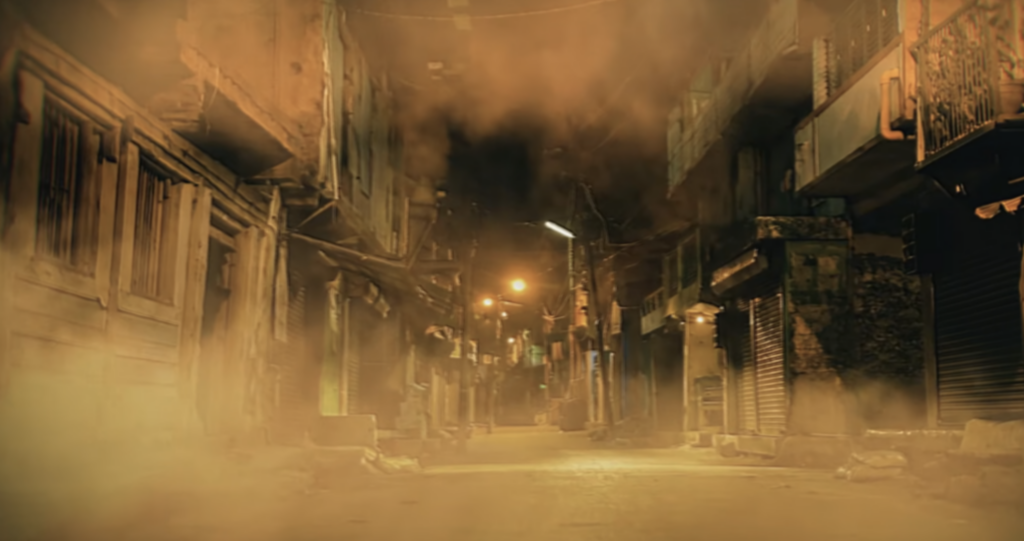
The death toll rose rapidly. Thousands died during the immediate aftermath, while many more suffered serious injuries. The exact number of deaths associated with the disaster has remained disputed, but the tragedy exposed hundreds of thousands of people to toxic chemicals.
For survivors, the nightmare did not end when the cloud disappeared. Many people developed long lasting respiratory problems, vision difficulties and other health complications. Families affected by the disaster also reported neurological and reproductive problems, while children born in communities exposed to the contamination became part of the continuing debate over the long term consequences.
The abandoned industrial site created another problem. Chemical waste remained in and around the factory, raising concerns about contamination of soil and groundwater. Residents and activists have spent decades demanding greater cleanup efforts and additional assistance for communities living near the former plant.
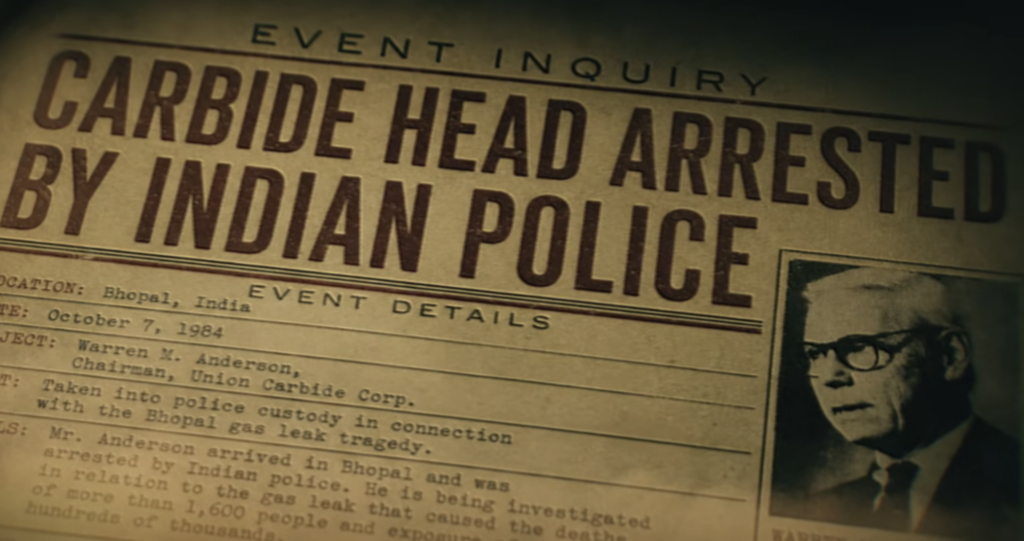
The disaster also triggered an international battle over responsibility. Warren Anderson, the chairman of Union Carbide at the time, traveled to India after the tragedy and was arrested before being released on bail. He subsequently left the country and never returned to face trial in India.
Union Carbide disputed claims that the company was entirely responsible for the disaster and suggested that sabotage could have played a role. Critics, however, argued that the conditions inside the factory, including safety problems and years of warnings, demonstrated serious failures that could have been prevented.
In 1989, Union Carbide agreed to pay $470 million to settle claims with the Indian government. Many survivors considered the settlement inadequate when compared with the enormous number of people affected and the continuing health and environmental damage.
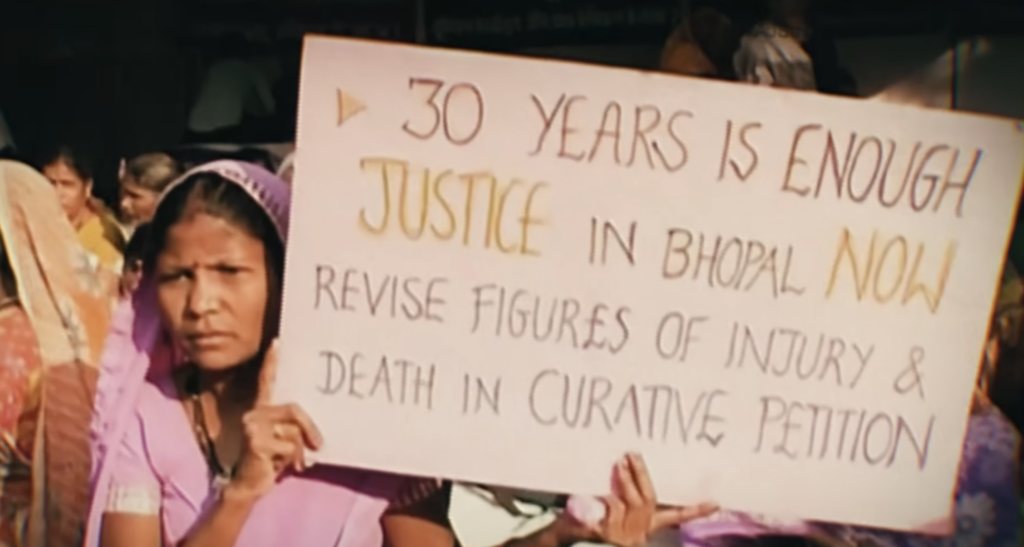
The company later became part of Dow Chemical, but the controversy did not disappear. Questions about compensation, environmental cleanup and corporate responsibility continued for decades, leaving Bhopal as a powerful symbol of the consequences that can follow when dangerous industrial operations are allowed to operate without sufficient protection.
More than four decades later, the memory of that night remains deeply painful. The people who went to sleep on December 2 expected to wake up the next morning and continue their ordinary lives. Instead, many woke to an invisible cloud that burned their eyes, damaged their lungs and changed their families forever.
The Bhopal disaster remains a warning about what can happen when dangerous chemicals are stored near populated communities and safety systems fail at the worst possible moment. For the survivors, however, it is more than a historical disaster. It is a tragedy whose consequences continued long after the poisonous cloud disappeared.