In 2010, a 16 year old boy named Kalief Browder was arrested in New York City after being accused of stealing a backpack. What followed would become a devastating story about pretrial detention, solitary confinement and a teenager who spent years behind bars without ever being convicted of the crime.
Browder was taken to Rikers Island while his case moved through the court system. His family could not afford the bail required for his release, meaning he remained incarcerated while waiting for his trial. Browder maintained that he was innocent and refused to admit to a crime he said he had not committed.
As months turned into years, prosecutors offered him opportunities to plead guilty and potentially leave jail. Browder refused because accepting a deal would have meant admitting responsibility for something he insisted he had not done.
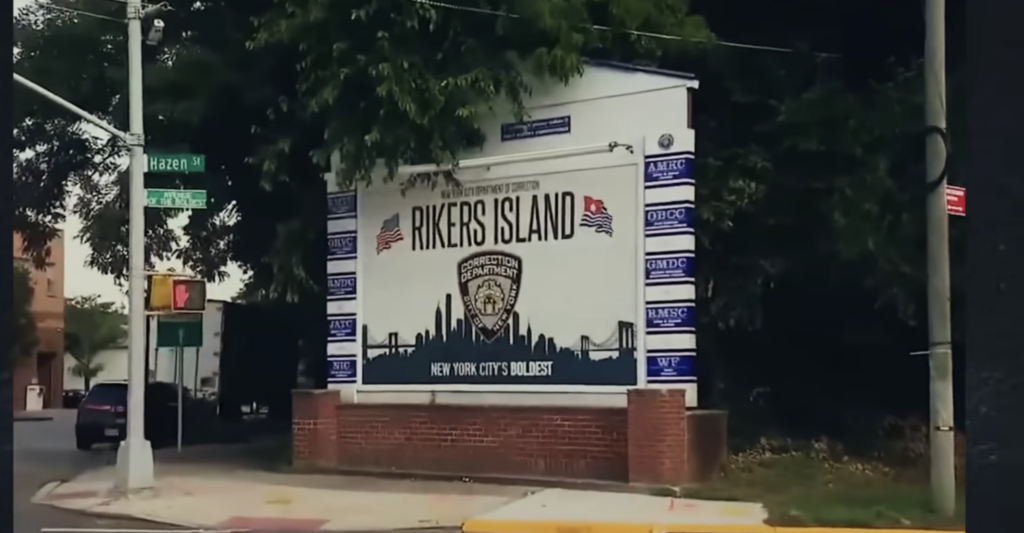
Instead, he remained at Rikers Island.
The teenager eventually spent more than 1,100 days incarcerated while his case remained unresolved. A significant portion of that time was spent in solitary confinement. He later described experiencing violence and abuse during his imprisonment, including alleged attacks by other inmates and correctional officers.
For someone who had entered the jail system at only 16 years old, the experience was devastating. Instead of returning home after a short detention, Browder spent his teenage years inside one of New York’s most notorious jail complexes.
Then, in 2013, after more than three years behind bars, Browder was finally released. The case against him was dismissed, meaning he walked out of Rikers without being convicted of the crime that had originally led to his arrest.
But freedom did not erase what had happened.
Browder had lost crucial years of his adolescence. His family later described the profound psychological impact that his incarceration had on him. His mother, Bonita Browder, said that what happened at Rikers had destroyed him mentally.
Browder attempted to rebuild his life after returning home. His story eventually attracted national attention and became part of a wider discussion about bail, juvenile incarceration and the use of solitary confinement.
In 2015, at the age of 22, Kalief Browder died by suicide at his family’s home. His death reignited demands for major changes to the New York City jail system.
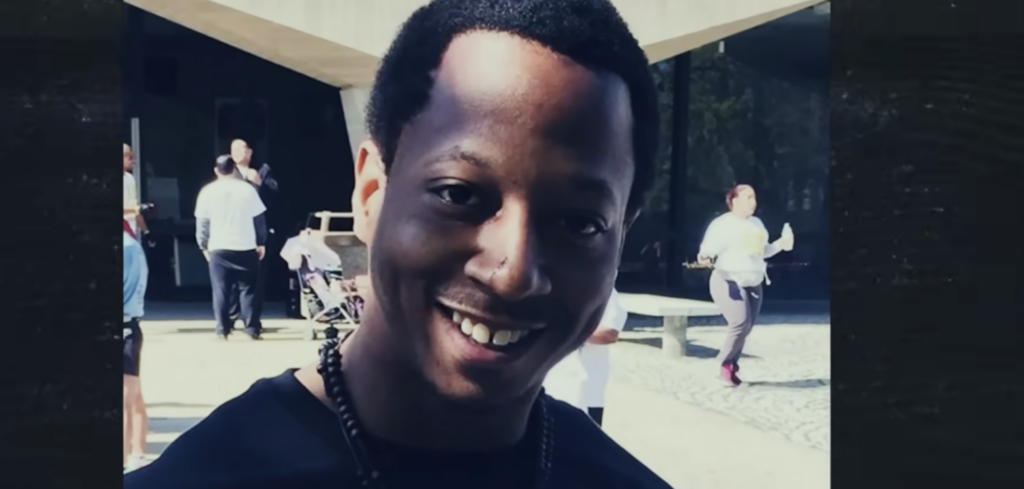
His case became one of the most powerful examples used by advocates who argued that teenagers should not be subjected to prolonged incarceration and isolation while waiting for their cases to be resolved.
Browder’s story also drew attention to the consequences of a system in which people who cannot afford bail may remain incarcerated for long periods without being found guilty. His case became a symbol of the enormous personal cost that can result when a young person spends years in detention before ever receiving a final judgment.
The controversy surrounding Rikers Island continued long after Browder’s death. Investigations, lawsuits and reforms followed, while activists continued demanding the closure of the complex and fundamental changes to the city’s approach to incarceration.
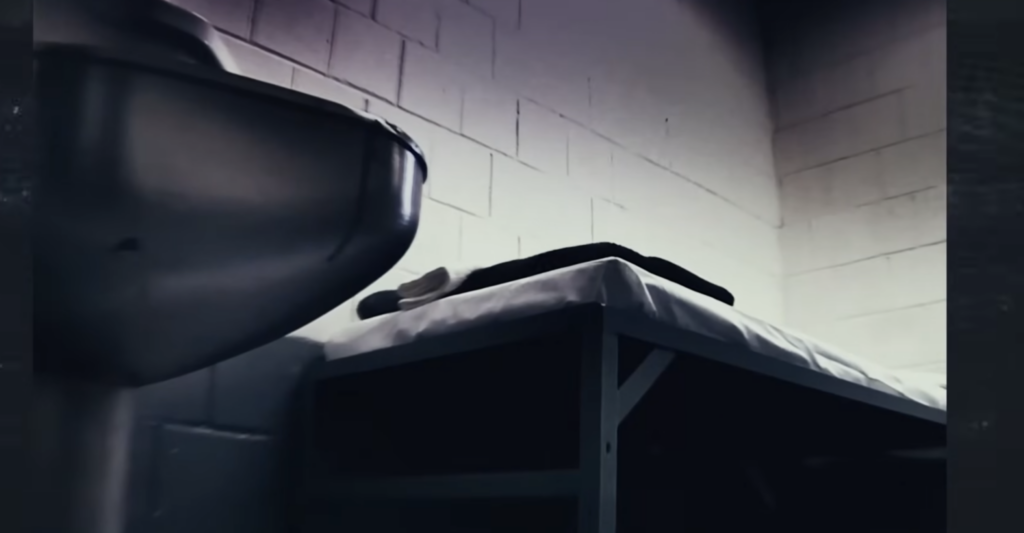
For many people who learned about Browder’s story, the most disturbing detail was his age when it began. He was only 16 when he entered Rikers Island. By the time he walked free, he was 20 years old.
More than 1,100 days had passed, most of them spent behind bars and much of that time in solitary confinement. The charges against him were eventually dropped, but the years he lost could never be returned.