December 9, 2019. Whakaari, better known as White Island, sits about 48 kilometers off the coast of New Zealand’s North Island, steaming quietly the way it has for as long as anyone can remember.
Dozens of tourists are standing inside its crater, cameras out, photographing one of the strangest landscapes on Earth. In a few minutes, most of the images captured that morning will become evidence rather than souvenirs.
By the end of the day, 22 people will be dead, and the world will have watched one of the deadliest volcanic disasters ever recorded as it happened.
The people who booked that trip had no reason to expect anything but a memorable morning. Most arrived through cruise ship packages or private tour operators, told they were joining a guided walk across manageable volcanic terrain.
The marketing sold access and spectacle: a rare chance to stand beside a living volcano. And on the surface, that is exactly what it looked like.
But White Island is not the kind of volcano most people picture. There is no slow river of glowing lava to watch from a distance. This is a hydrothermal system, powered by superheated steam, gas, ash, and rock forced up through vents beneath the ground. On a good day it produces something otherworldly, including a crater lake stained green by dissolved minerals and volcanic gases.
On a bad day, it changes character in seconds, and it gives almost no notice before it does.
The warnings had already started. In the months before December, scientists raised the volcano to Alert Level 2, the classification for heightened volcanic unrest and an elevated chance of eruption. Monitoring agencies recorded rising gas emissions and increasing seismic activity beneath the island.
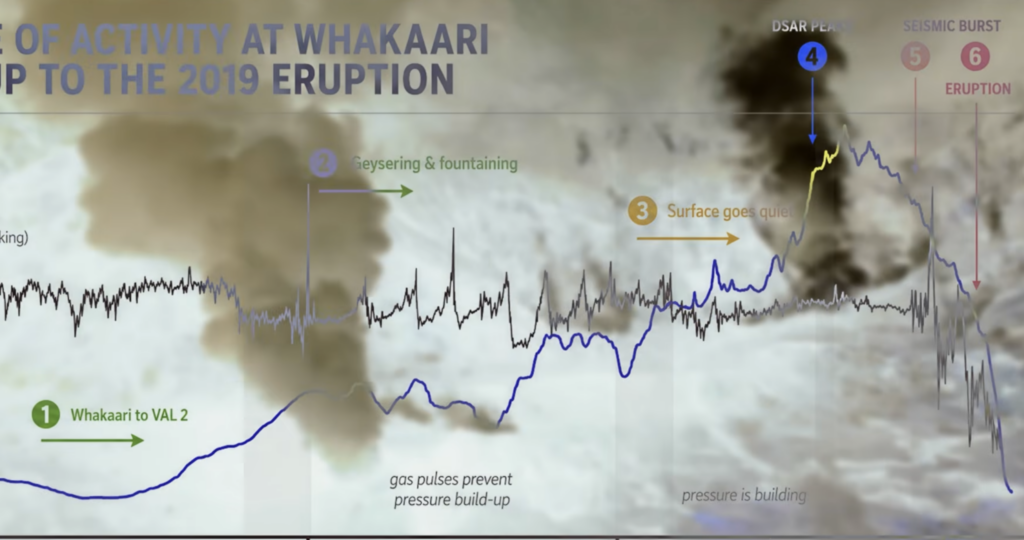
Two weeks before the disaster, officials issued a clearer statement: Whakaari could be entering a period where eruptive activity was more likely than usual.
The tours kept running.
On the morning of the eruption, several groups were on the island at once. Some had crossed by boat with White Island Tours, others had flown in by helicopter. Each visitor received basic protective gear, helmets and respirators, along with instructions about how long they could safely remain near the crater before toxic gas exposure became a problem.
For a while, it was everything they had hoped for. People posed for photographs beside the vents, staring into the steam rising out of the ground. A few noticed that the crater lake looked wrong, darker than expected and thick with ash. Almost nobody read it as a warning.
Then the island turned on them.
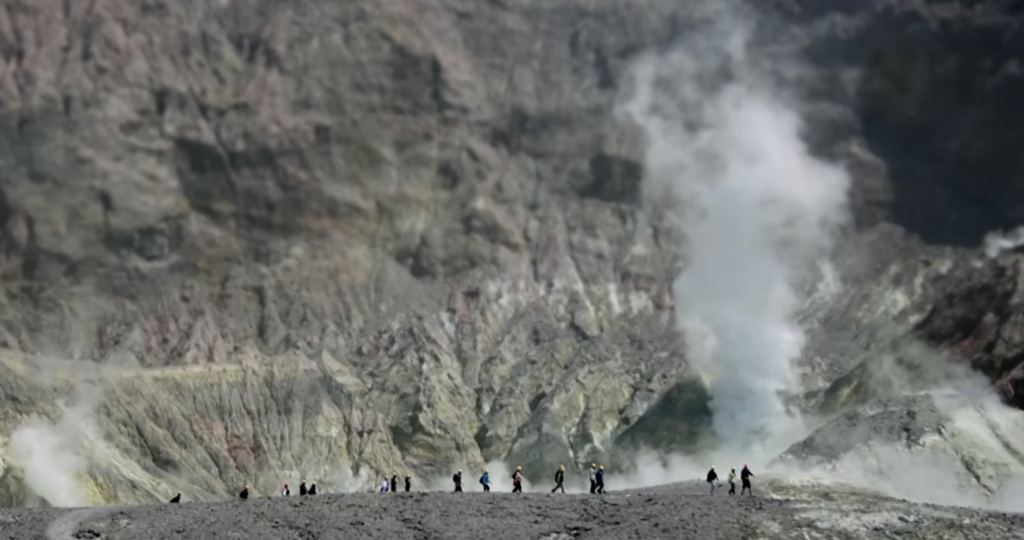
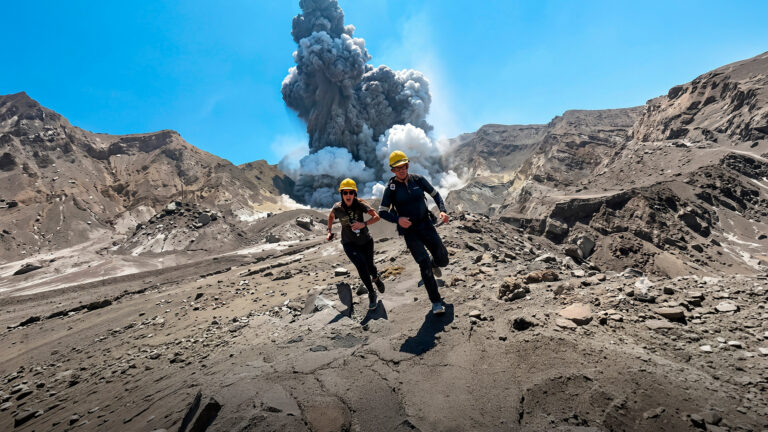
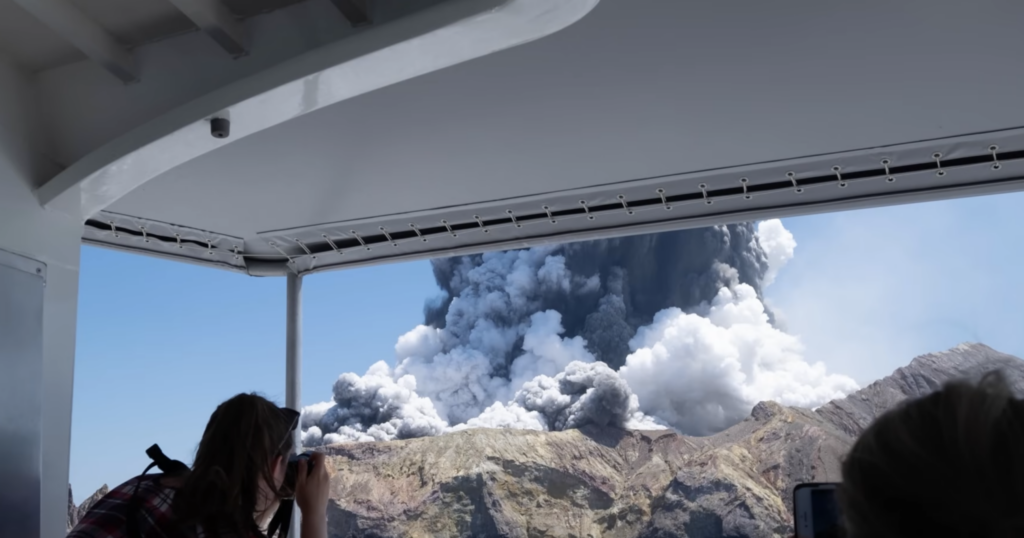
It began as a plume of ash climbing out of the crater, unremarkable enough that many mistook it for ordinary volcanic behavior. Within moments, it stopped being ordinary. A violent explosion ripped through the crater while dozens of people were still standing on the island.
The blast rolled across the landscape, followed instantly by a wave of superheated ash, steam, and toxic gas. Visibility collapsed to nothing. Survivors would later describe air that could not be breathed and skin that started burning the moment the cloud touched it.
The eruption itself was brief. That made no difference at all.
Panic scattered the groups. Some ran for the shoreline. Others crouched behind rocks that offered almost no protection against heat and gas moving that fast. The volcanic steam was hot enough to cause devastating burns and internal injuries within seconds of contact.
In the middle of that chaos, one helicopter pilot on the island with his group made a decision in a heartbeat that saved lives. He ordered his passengers into the water and told them to stay submerged while ash and debris rained down around them. Others caught out in the open had no such option.
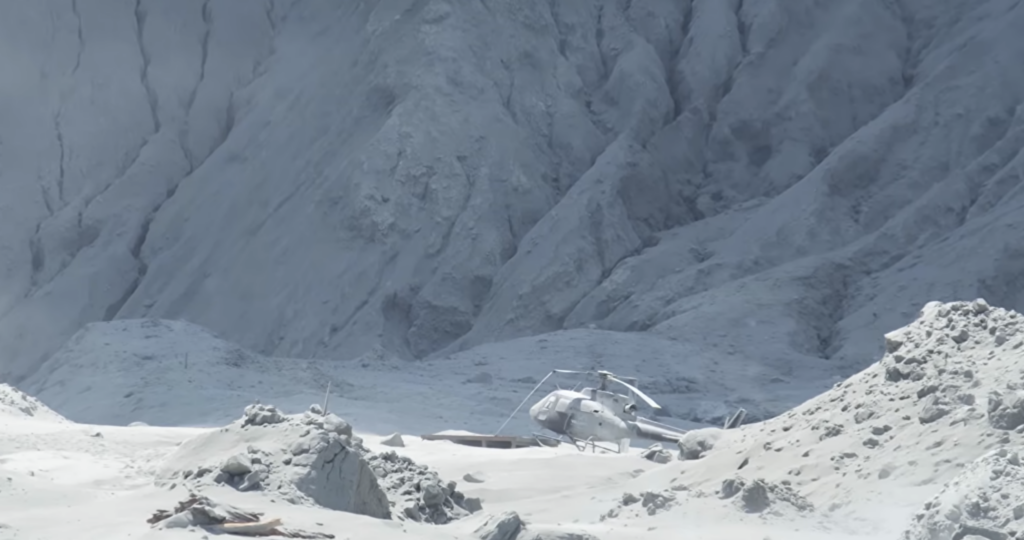
As the eruption played out, survivors tried to reach the evacuation points. Many were badly burned, disoriented, and barely able to walk. Tour guides worked to move people toward inflatable boats waiting offshore, but the scale of what had just happened overwhelmed the first response almost immediately.
Help came from the sea. The cruise ship Ovation of the Seas, which had carried some of the tourists to the region, became one of the first major rescue platforms, its crew hauling injured survivors aboard while emergency calls went out to authorities. Helicopters pushed toward the island through lingering ash clouds and falling debris.
And here the disaster produced a second, quieter conflict. Local pilots on the scene insisted they could land and pull people out. Official rescue coordination hesitated, holding back full deployment over safety concerns. The gap between the responders on the water and the command structure on the mainland became its own painful part of the story.
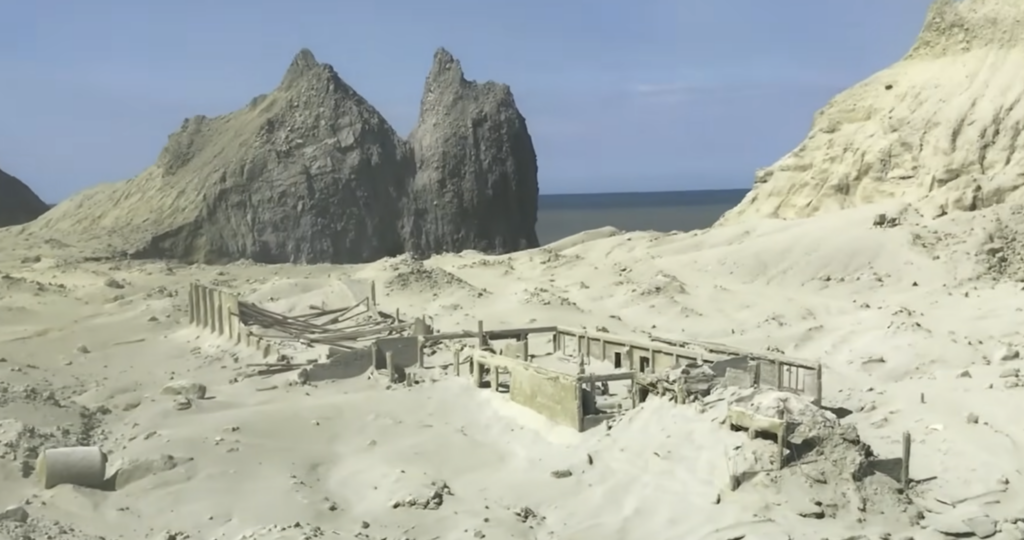
Over the following hour, the operation grew. Helicopters and boats ferried survivors off the island to medical teams waiting onshore, where doctors faced severe burns, inhalation injuries, and trauma on a scale the country had not prepared for.
The final numbers are brutal in their simplicity. 22 people died. 25 survivors were left with life altering injuries, many requiring extensive surgeries, skin grafts, and long term hospital care. Some carry permanent disabilities. Entire families lost people who had left that morning expecting a sightseeing trip.
Then came the questions.
Investigations concentrated on the decisions made before anyone ever stepped onto the island. Had the risks been communicated honestly? Should commercial tours have been running at all while the volcano sat at an elevated alert level? Legal action followed, centered on responsibility, safety protocols, and whether the visitors truly understood what they were walking into.
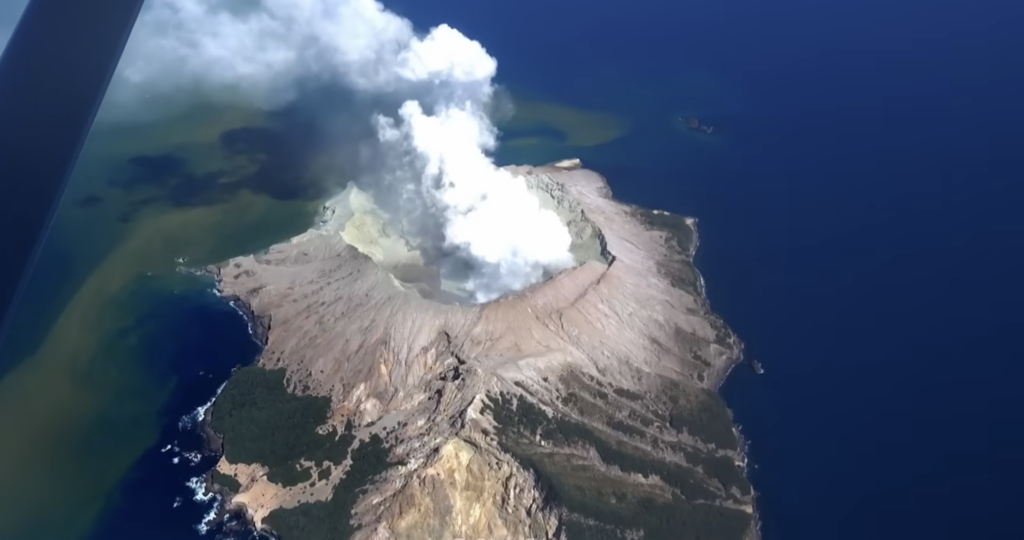
The disaster forced a wider reckoning about tourism on active volcanoes. Whakaari had erupted before, in 2013 and again in 2016. The difference was luck: on both of those occasions, no tourists were standing in the crater. Some experts argued afterward that 2019 was not a bolt from the blue at all, pointing back to the warning signs accumulating in the months before.
Today the island is closed to the public. Monitoring continues, and access restrictions remain in force for two reasons: the obvious danger, and the cultural significance of Whakaari to the Māori people, particularly the Ngāti Awa tribe, who regard the island as a living ancestor.
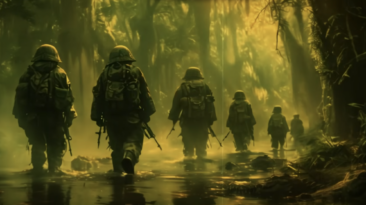
That is what makes this tragedy so hard to shake. There was no remote wilderness, no reckless expedition into the unknown. There were guided groups in helmets, holding cameras, following a schedule, standing on ground that had been flagged as restless weeks earlier.
The volcano gave them roughly a minute between the first plume and the explosion. And unlike almost every disaster in history, this one was documented as it unfolded, second by second, by the people living through it.