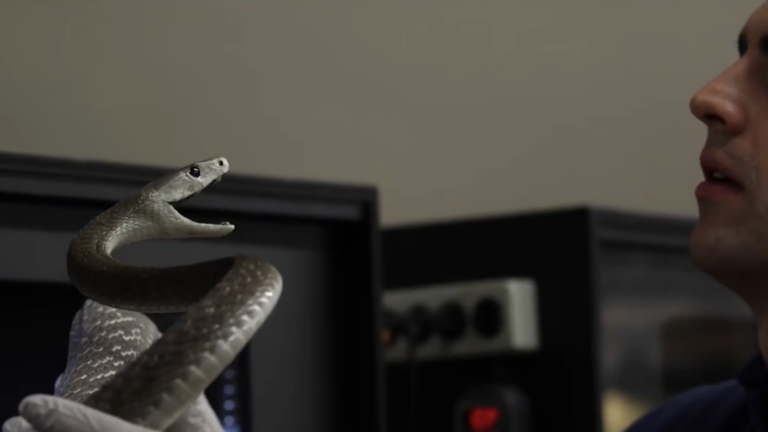
It is dusk, and you are walking through the African bush searching for firewood. You reach toward what looks like an ordinary branch lying on the ground.
Then it moves.
You freeze as the supposed stick lifts its head. A long, dark snake rises from the grass, watching you closely. Before you can react, it strikes.
Once.
Twice.
Then a third time.
The snake disappears into the vegetation, leaving you alone with a terrifying question. How long do you have?
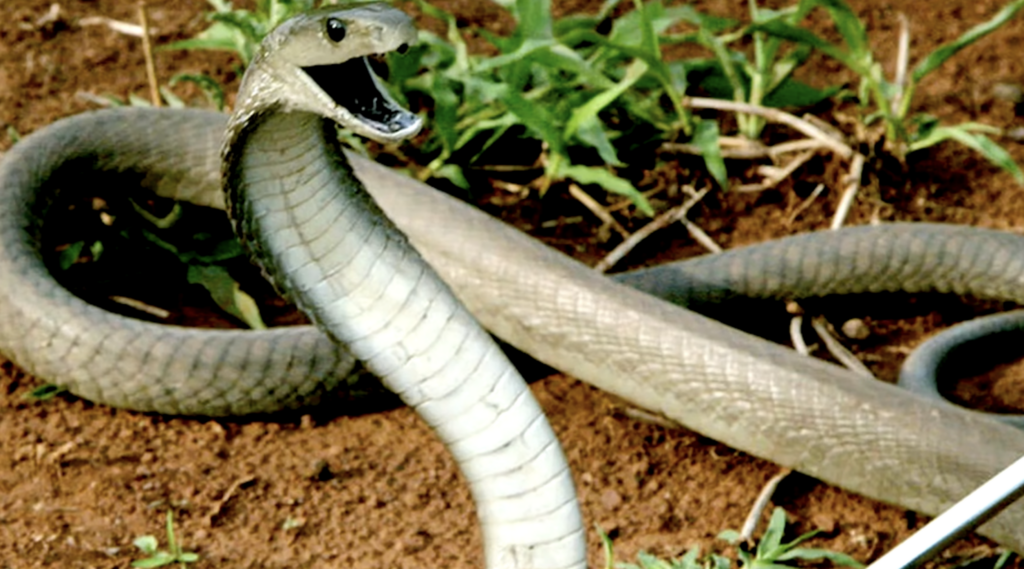
The black mamba is one of Africa’s most feared venomous snakes. Found across parts of eastern and southern Africa, it is among the longest venomous snakes in the world. Most adults are around 2.4 meters long, although exceptionally large individuals can reach more than four meters.
Despite its name, the black mamba is not usually black.
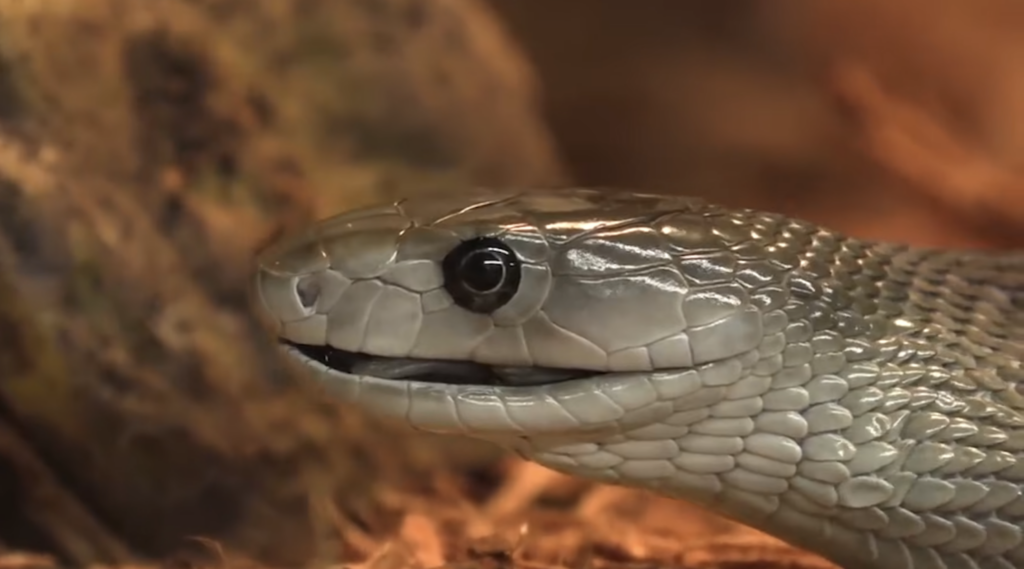
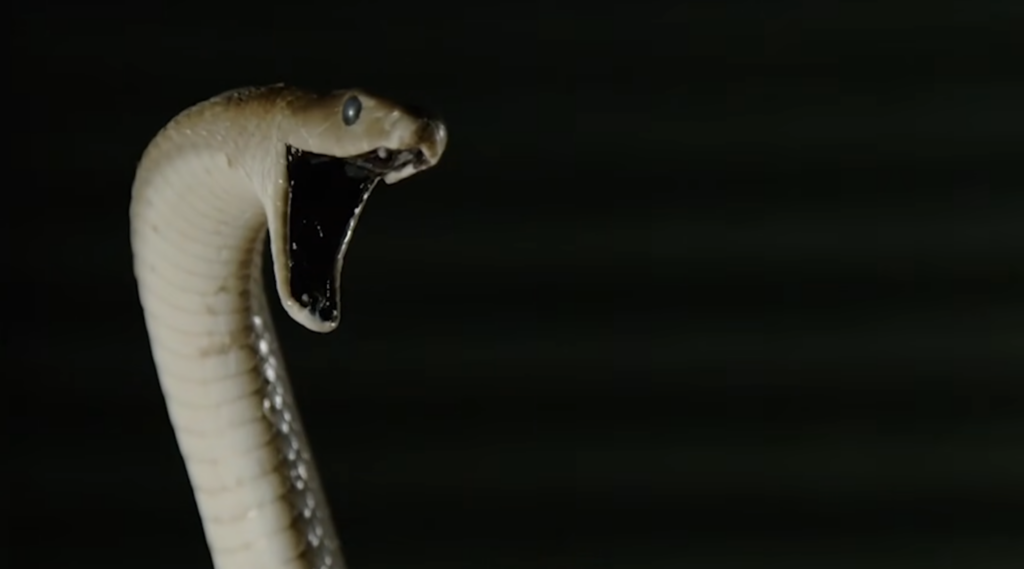
Its body can range from olive and brown to grayish shades, while the inside of its mouth is a distinctive dark color. When threatened, it can raise the front portion of its body and spread a narrow flap around its neck, making an already frightening encounter even more intimidating.
The snake is also capable of moving surprisingly quickly.
A black mamba can reach speeds of roughly 19 kilometers per hour over short distances. That means trying to outrun one is not a reliable plan. But the most serious danger is its venom.
Black mamba venom contains powerful neurotoxins that can interfere with the nervous system and eventually affect the muscles responsible for breathing. Without appropriate medical treatment, a severe envenomation can become fatal.
A reported incident in Kenya in 2017 demonstrated just how quickly the situation can become critical. A black mamba became entangled around a woman’s leg. When she attempted to remove it, the snake bit her three times.
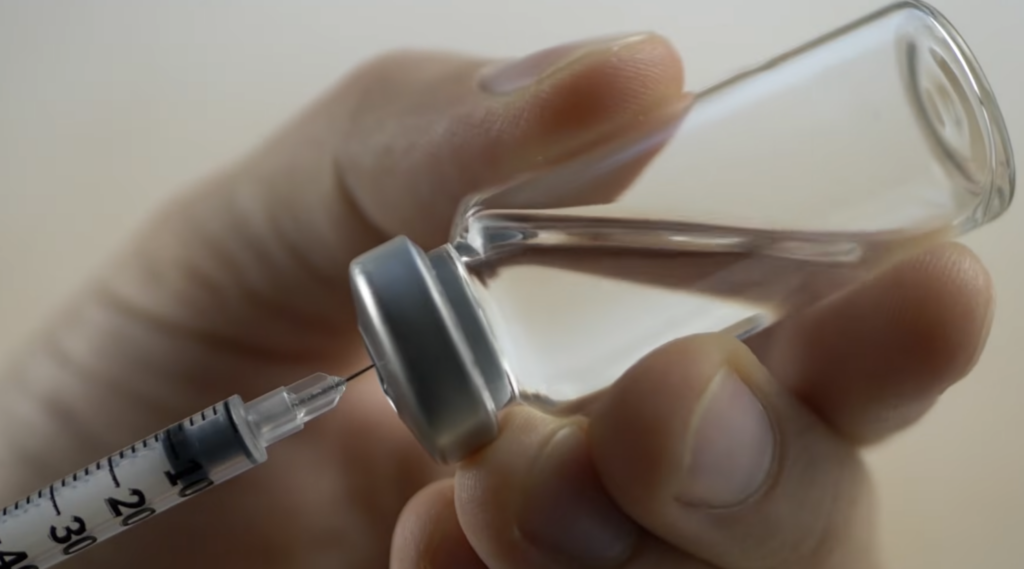
She lost consciousness before reaching the nearest hospital. The hospital was approximately 45 minutes away.
Fortunately, medical staff had antivenom available, and she survived.
Her story demonstrates why rapid medical treatment is so important after a suspected black mamba bite. The most important thing is not to waste time attempting to capture or kill the snake. The priority should be getting emergency medical assistance as quickly and safely as possible.
While waiting for help, staying as still and calm as possible is important. Excessive movement can increase circulation and potentially accelerate the spread of venom through the body.
Any rings, watches or tight clothing near an injured limb should be removed before swelling becomes severe.
The victim should also be monitored closely because neurological effects can interfere with normal breathing. Medical professionals may need to provide breathing support while antivenom and other treatments take effect.
Prevention remains even better than treatment.
If you are traveling through areas where black mambas are found, avoid reaching into holes, hollow logs, rock piles or other places where a snake could be hiding. Wearing sturdy boots and long clothing can provide additional protection.
Most importantly, never approach a black mamba.
These snakes are generally wary of humans and would rather escape than confront someone. Problems can occur when a snake feels threatened, trapped or cornered.
So if you see one, give it plenty of space. That harmless looking branch in the grass could be something else entirely.
And if it strikes three times, those next 45 minutes could become the most important of your life.