In 1946, a 17 year old teenager named Willie Francis became part of one of the most disturbing execution cases in American history. After being convicted of murdering a pharmacist in Louisiana, Francis was sentenced to death by electrocution, despite the jury reaching its decision after only about 15 minutes of deliberation.
Francis was a Black teenager living in Louisiana at a time when racial discrimination was deeply embedded in the justice system. The jury that convicted him was composed entirely of white men, and after the verdict, Francis was sent to face execution in the electric chair.

On the day of his scheduled execution, Francis received his final religious rites before being taken into the execution chamber. He was strapped into the electric chair, and the equipment was prepared as prison officials began what was supposed to be his final moments alive.
Instead, something went terribly wrong.
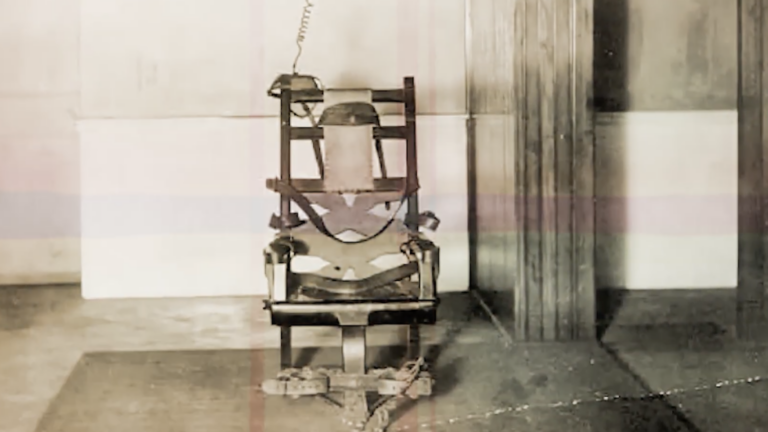
When the electricity was switched on, Francis did not die. The approximately 300 pound chair began shaking violently as the current passed through his body, causing him extreme pain. Prison officials reportedly heard the teenager screaming that he was not dying as the malfunctioning equipment continued to torture him.
Eventually, the execution had to be stopped. Francis was removed from the chair alive, leaving prison officials facing an extraordinary situation that had almost never been seen before.
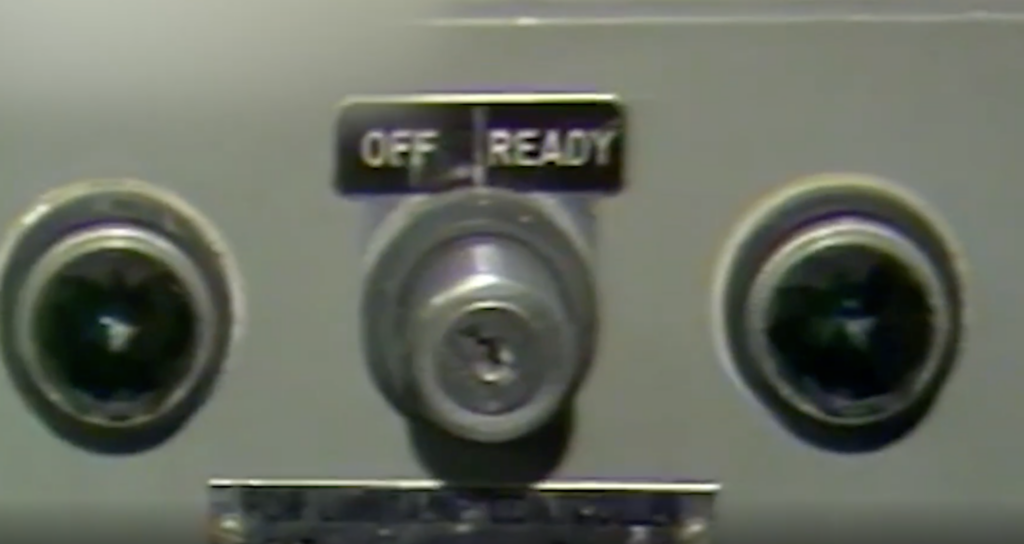
An investigation later suggested that the electric chair had malfunctioned because of problems with its setup. The prison guard responsible for preparing the equipment had reportedly been drinking, while faulty wiring contributed to the failure of the execution.
Instead of treating the failed execution as the end of the matter, authorities wanted to try again.
Francis challenged the decision through the courts, arguing that forcing him to endure another execution after surviving the first attempt would violate his constitutional rights. His case eventually reached the Supreme Court, turning his unusual survival into a major legal battle over whether the state could execute someone after a failed electrocution.
The Supreme Court ultimately ruled against Francis. The decision cleared the way for Louisiana to carry out another execution.
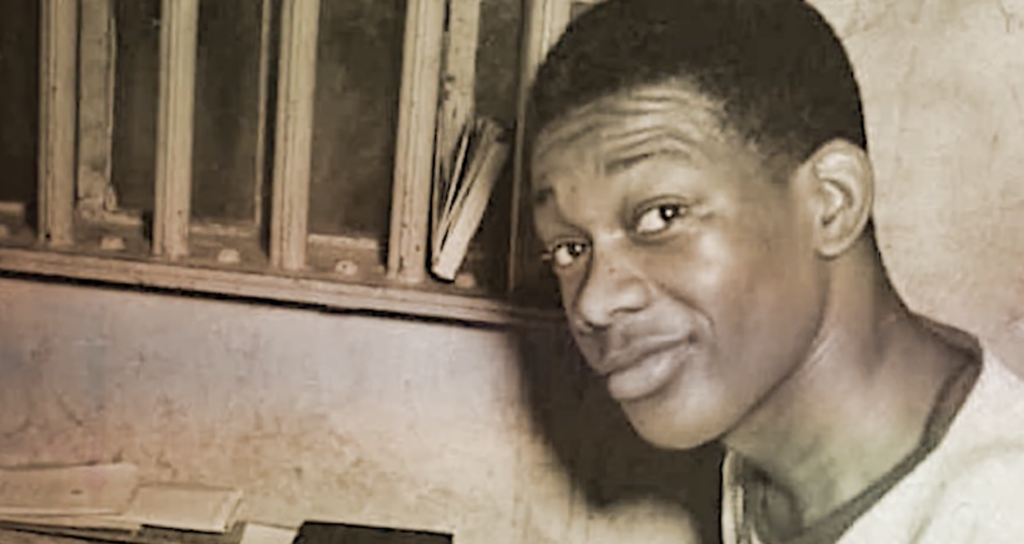
Approximately one year after surviving the first attempt, Francis was brought back to the electric chair. This time, officials made another attempt to electrocute him, and the equipment worked as intended.
Francis was executed in 1947, at only 18 years old.
His case remains one of the most extraordinary examples of a failed execution in American history. What began as the execution of a teenager became a legal and moral controversy after a faulty electric chair left him alive, only for the state to bring him back and finish the execution a year later.
Francis survived the electric chair once, but the courts ultimately decided that surviving it did not mean he had escaped his death sentence.