The crack was inside a single wheel, invisible from the outside, and inspectors kept missing it. It had been growing quietly for a long time before anyone paid a price.
On June 3, 1998, that wheel finally failed on a high speed train travelling toward Hamburg. What followed killed at least 101 people and injured over 200 in the small town of Eschede, near Celle.
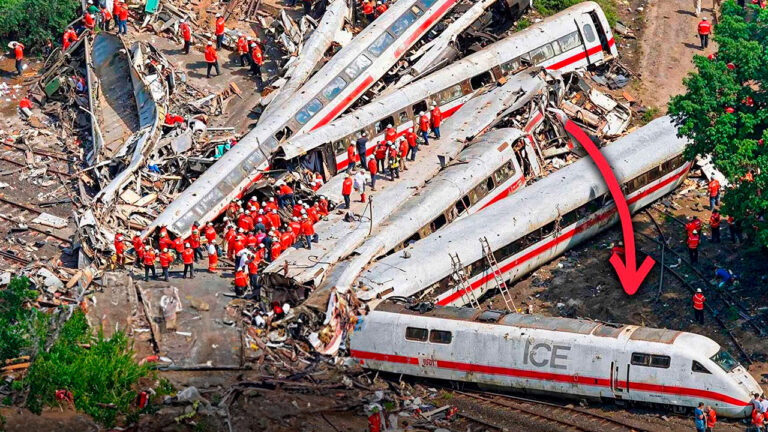
It became the worst rail accident in Germany for decades, and the first ever involving an ICE train. Four carriages ended up mangled together, one wedged beneath a collapsed bridge and others twisted like an accordion.
High Speed Trains in Germany
High speed rail began in Japan in 1964 with the Shinkansen, the bullet train that inspired countries everywhere. Germany followed in 1971 with its Inter-City system, capable of reaching 200 kilometers per hour.
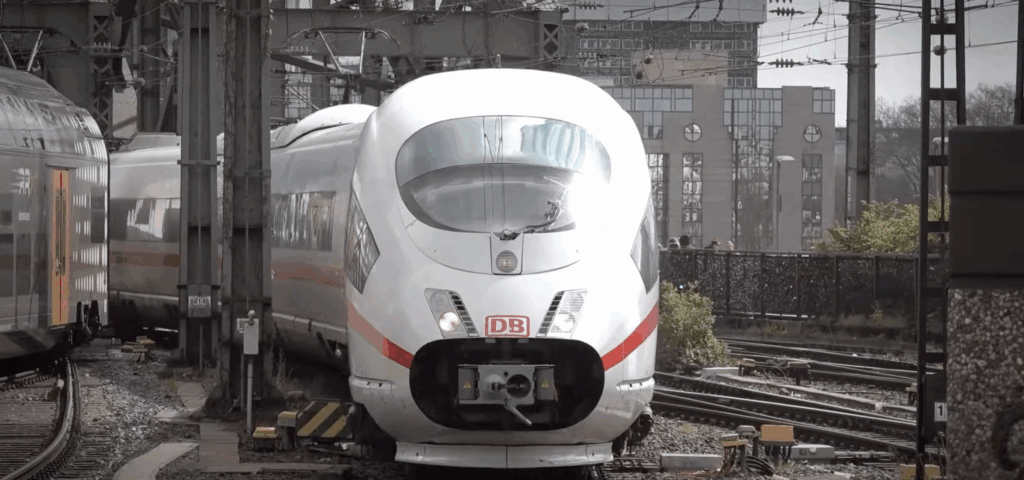
Two decades later, on May 29, 1991, the Intercity Express arrived promising speed, comfort, and luxury, with gourmet dining and engineering capable of 280 km/h.
There was one problem. Heavy vibrations led engineers to redesign the wheels, and that redesign set the disaster in motion years before it happened.
The Fatal Journey
ICE 1 left Munich for Hamburg carrying 287 passengers and six crew members.
Forty minutes from the destination, a passenger reported a loud bang. A steel shaft had shot up through the armrest of a coach seat.
Following company policy, the employee did not pull the emergency brake immediately.
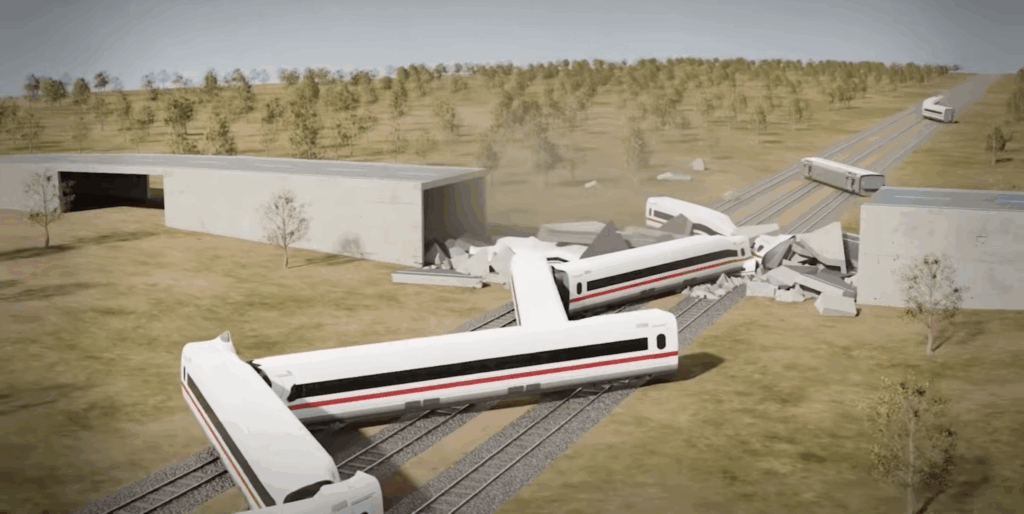
Moments later the train began swaying violently. Coach 3 detached from Coach 2, derailed, and struck a bridge.
The first two coaches carried on. Everything behind them was destroyed. Coaches 4 through 6 were crushed beneath the collapsing bridge, killing railway workers and passengers together, and the luxury restaurant carriages were reduced to rubble.
Rescue Efforts in Eschede
Nearly 2,000 rescue personnel arrived, including firefighters, medical teams, and the German army.
Then came a problem nobody had planned for. The rigid aluminum frames and nearly unbreakable windows made reaching survivors extraordinarily difficult, and those delays added directly to the death toll.
Within 12 hours, 78 bodies had been recovered, some in pieces, requiring specialist teams to sort remains for identification. For the responders, the experience left permanent emotional damage.
The Investigation
The Fraunhofer Institute for Structural Durability and System Reliability led the inquiry. Scratches and missing concrete 6.5 kilometers behind the crash site pointed straight to mechanical failure.
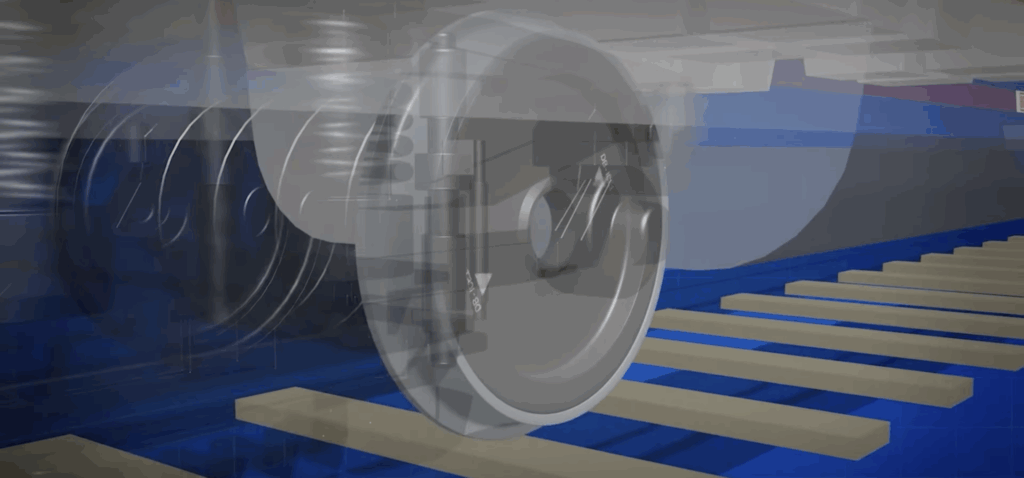
The redesigned monobloc wheels, the ones meant to solve the vibration problem, were the cause. Cracks inside them went unnoticed during inspections until one broke apart at speed.
Layered on top of that were policies delaying emergency braking, a bridge that was not built robustly enough, and poor communication between crew. Stop the train immediately, or build a stronger bridge, and the outcome changes.
One piece of luck did prevent something worse. Another ICE train travelling the opposite direction narrowly avoided ploughing into the wreckage.
Aftermath
Charges of negligent manslaughter and bodily harm were brought against two Deutsche Bahn engineers and an employee of the wheel manufacturer.
The trial ran 53 days and ended with nobody found guilty, which left families deeply frustrated. The defendants eventually paid small fines, while Deutsche Bahn compensated victims and survivors, including nearly 14,500 euros per deceased relative.
By 2008, the CEO of Deutsche Bahn visited the site to offer condolences. The disaster permanently reshaped German rail safety, bringing stricter standards, far more rigorous wheel inspections, and improved emergency protocols.
All of it triggered by a crack nobody could see.