It is 2 A.M. when your pregnant wife Chanelle suddenly shakes you awake. Her contractions are only eight minutes apart, but before you can even get out of bed, you realize something is wrong. The lights will not turn on, your phone has lost its connection, and outside the window, the night sky is glowing an eerie red.
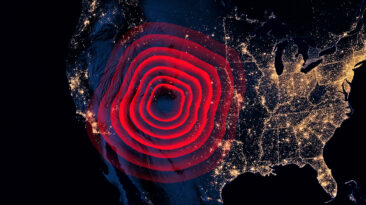
You look toward the city and watch the streetlights begin disappearing one by one. Then a transformer explodes several blocks away, and within moments, much of the skyline is completely dark. This is not a normal blackout. A massive solar storm has reached Earth, and you are about to experience the first 72 hours of a Carrington Event.
Chapter 1: The Warning
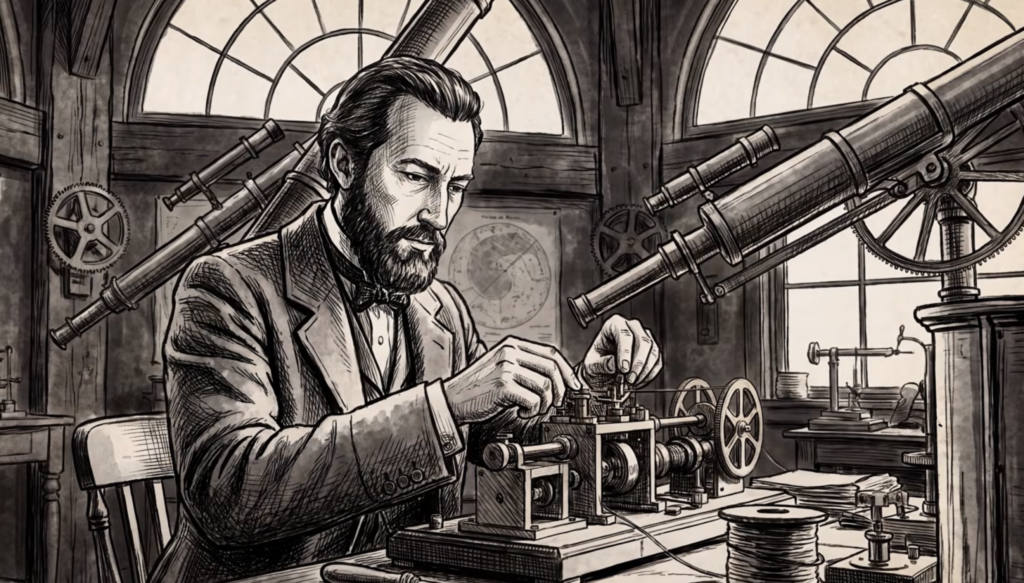
The Carrington Event was the most powerful geomagnetic storm ever recorded. In September 1859, British astronomer Richard Carrington observed an enormous solar flare, followed by a powerful coronal mass ejection that sent charged particles toward Earth.
When the storm arrived, brilliant auroras appeared far farther south than usual, while telegraph systems began sparking and catching fire. Some operators were even able to send messages after disconnecting their batteries because the storm was generating electrical currents in the wires.
Back then, the world had no modern power grid, satellites, smartphones or internet to worry about. Today, the consequences could be dramatically different.
And we came dangerously close in 2012. A powerful coronal mass ejection crossed Earth’s orbit, but it passed through the region before Earth arrived there. If the timing had been different, the consequences could have been severe.
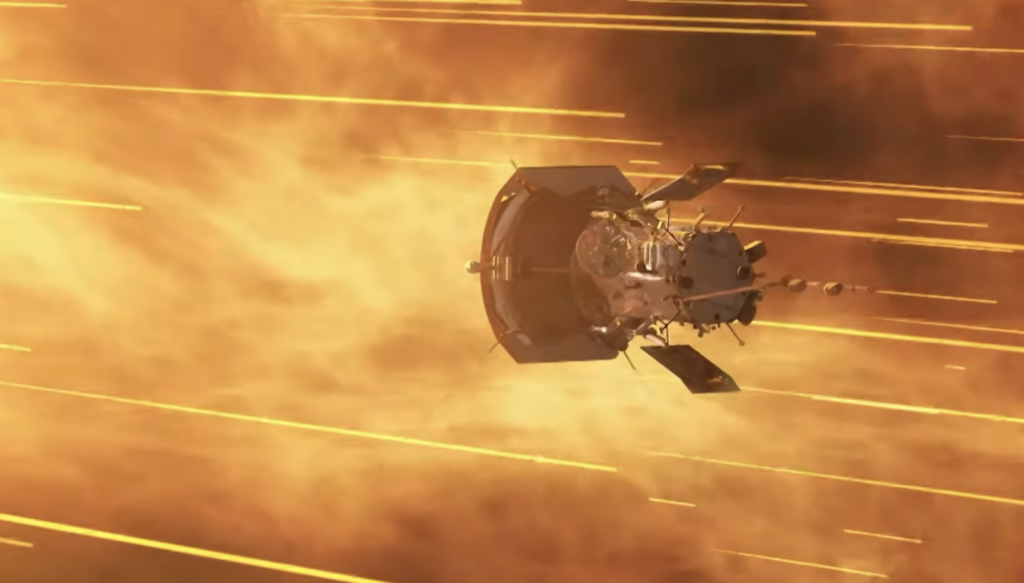
In this scenario, however, Earth is not so lucky.
Chapter 2: The Flash
When the solar flare erupts, space agencies detect the danger first. On Earth, the effects initially appear limited, but radio communications begin failing, GPS signals become unreliable and satellites face increasing problems as Earth’s upper atmosphere expands.
The storm can also create drag on satellites, forcing operators to make adjustments to keep them in orbit. Even a much smaller geomagnetic storm in 2022 contributed to the loss of dozens of Starlink satellites, showing how vulnerable modern infrastructure can be.
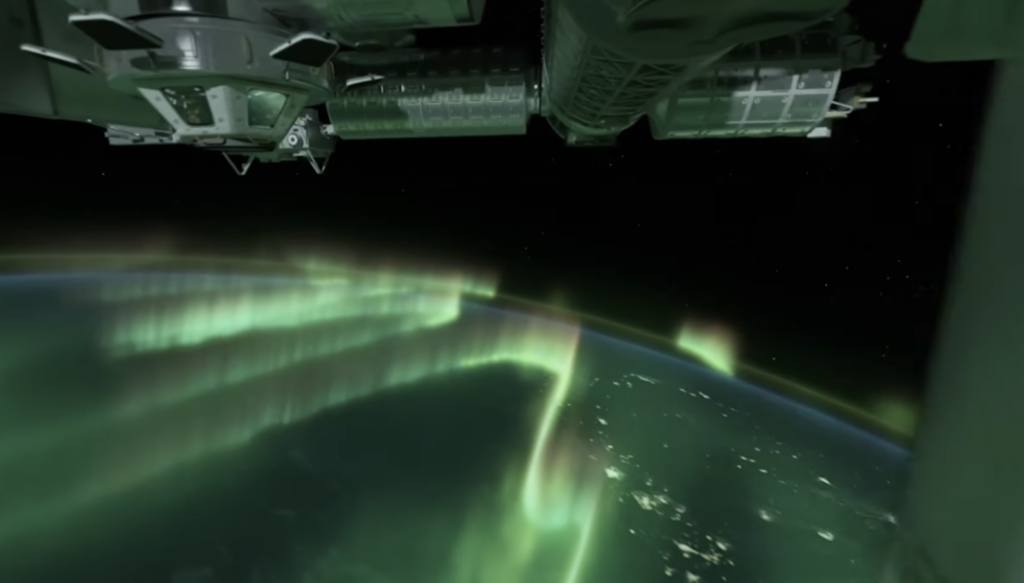
You have only hours to prepare. You fill the car with fuel, collect water, canned food and batteries, then write down the route to the hospital because Chanelle is only days away from her due date.
You head home, hoping the warnings are exaggerated. Then the light show begins.
Chapter 3: The First 24 Hours
As Chanelle’s contractions become stronger, the solar storm reaches the electrical grid. The storm does not send lightning through your house. Instead, fluctuations in Earth’s magnetic field induce electrical currents in long transmission lines, placing enormous stress on transformers.
If enough transformers overheat or fail, sections of the grid can collapse.
In 1989, a much smaller geomagnetic storm caused a massive blackout in Quebec that left millions without power for about nine hours. A far stronger event could create problems across much larger areas.
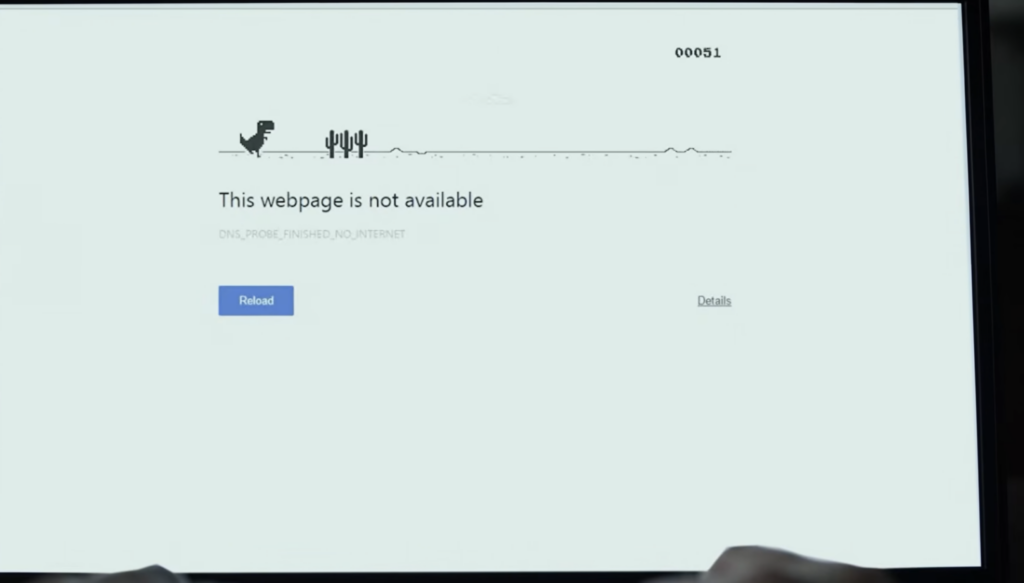
Your router stops working. Your phone loses its connection. You wonder whether the internet has disappeared forever.
Fortunately, the internet itself is unlikely to be permanently erased. Instead, widespread power failures and damage to critical infrastructure could leave parts of the network unreachable for weeks or even longer.
Then Chanelle’s water breaks.
The hospital is still several miles away, and there is no signal to call for help. Fortunately, you still have the handwritten map.
Chapter 4: Unprecedented Chaos
The blackout spreads. Trains stop, elevators freeze and cell towers begin struggling on backup power. You and Chanelle rush downstairs and get into the car, hoping you can reach the hospital before the situation becomes worse.
Outside, traffic lights are dead and roads are filling with confused drivers. Some people remain calm and help direct traffic, while others panic as stores and pharmacies become targets.
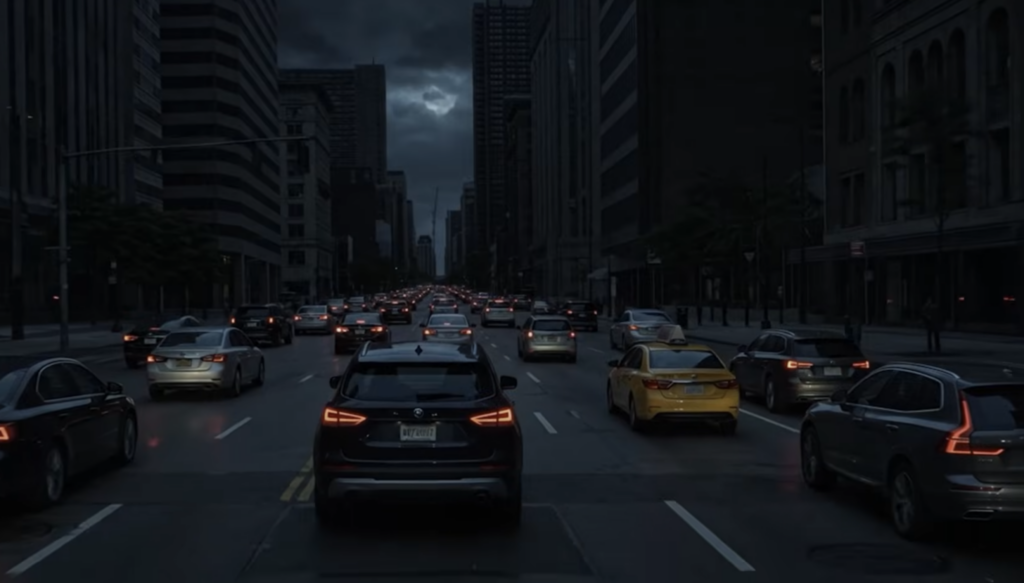
The danger is no longer simply the lack of electricity. Fuel pumps stop working, refrigerated food begins warming, ports slow down and supply chains start breaking apart.
A prolonged blackout can also create serious health risks. Extreme temperatures, contaminated water, medical equipment failures and carbon monoxide poisoning can all become deadly when essential services are disrupted.
With Chanelle in the back seat and contractions becoming closer together, reaching the hospital becomes your only priority.
Chapter 5: Power Without the Grid
Finally, you see the hospital in the distance. It still has power, but the road is blocked by a stalled train, forcing you to continue on foot.
Inside, the hospital is operating on backup systems. Computers may still have electricity, but network connections are down, forcing staff to rely on paper records and manual procedures.
This is where microgrids could become extremely important. Instead of depending entirely on the wider electrical network, a hospital with its own microgrid can operate as an independent power island, helping critical services continue functioning during a widespread outage.
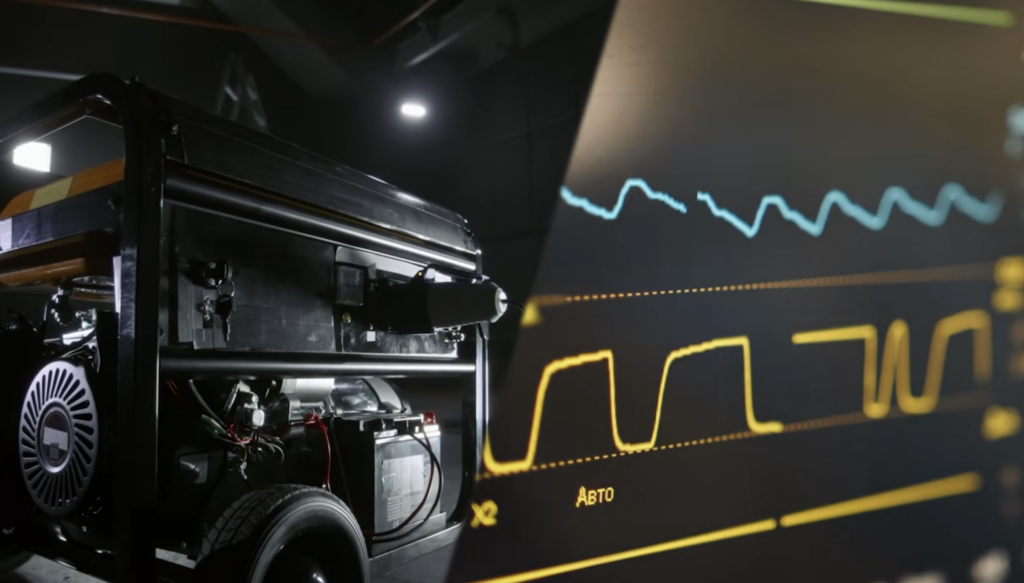
Another possibility being explored is natural hydrogen, a form of hydrogen that can occur naturally underground rather than being manufactured in an industrial facility.
Companies such as MAX Power are investigating whether underground natural hydrogen systems can eventually provide reliable energy at commercial scale. If successful, the technology could potentially provide another source of local power for critical infrastructure.
Chapter 6: Waking the Grid
Restoring the power grid is not as simple as flipping a switch. Many power stations need electricity to restart themselves, meaning the damaged system must be rebuilt step by step.
Black start generators and battery systems can provide the initial electricity needed to restart sections of the grid. Those sections can then help restore others until larger portions of the network begin operating again.
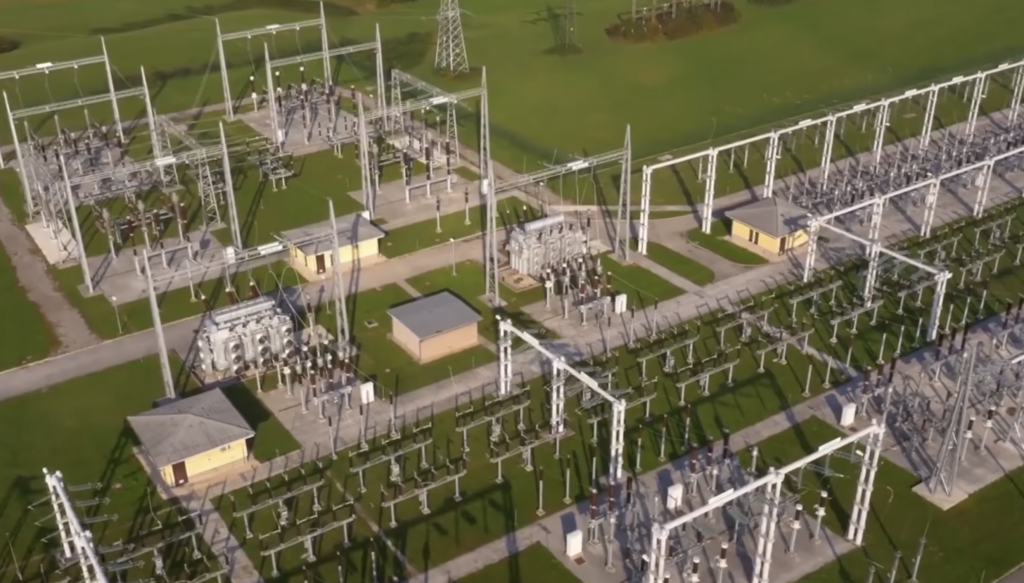
Critical facilities such as hospitals and water treatment plants would likely receive priority. Some areas could recover relatively quickly, while regions with severely damaged equipment could remain without power for much longer.
A Carrington Event would be an enormous challenge for modern civilization, but preparation could make the difference. Better warnings, protected transformers, backup equipment, microgrids and alternative energy sources could all help reduce the damage.
The Sun has already shown us what it is capable of. The real question is whether humanity will be ready the next time a storm of Carrington’s magnitude comes our way.