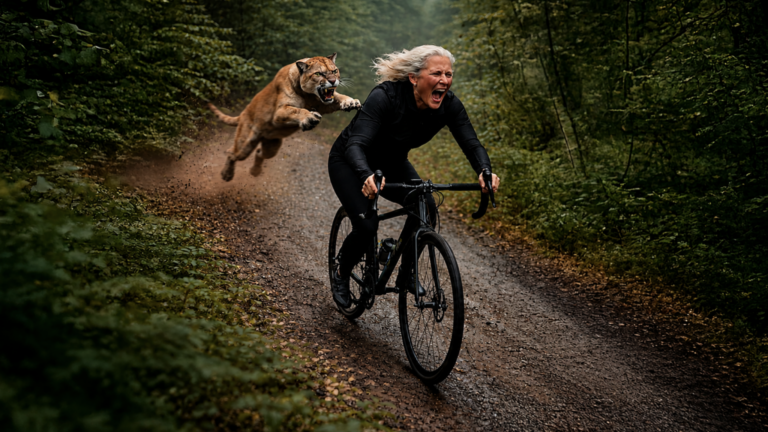
On February 17, 2024, 60 year old Keri Bergere was enjoying a cycling trip through the Tokul Creek trail in Washington State with four friends. The group had already traveled about 18.5 miles when one of them noticed two cougars nearby.
Auna Tietz immediately alerted the others. One of the cougars ran away, but the other focused its attention on Keri.
The attack happened almost instantly.
The cougar lunged at Keri, knocked her to the ground and clamped its jaws onto her face. It then dragged her into a shallow ditch, leaving her struggling to breathe as the animal continued crushing her face.
“I think it was about 15 minutes,” Keri later recalled. “It was clamped on my face and crushing my bones.”
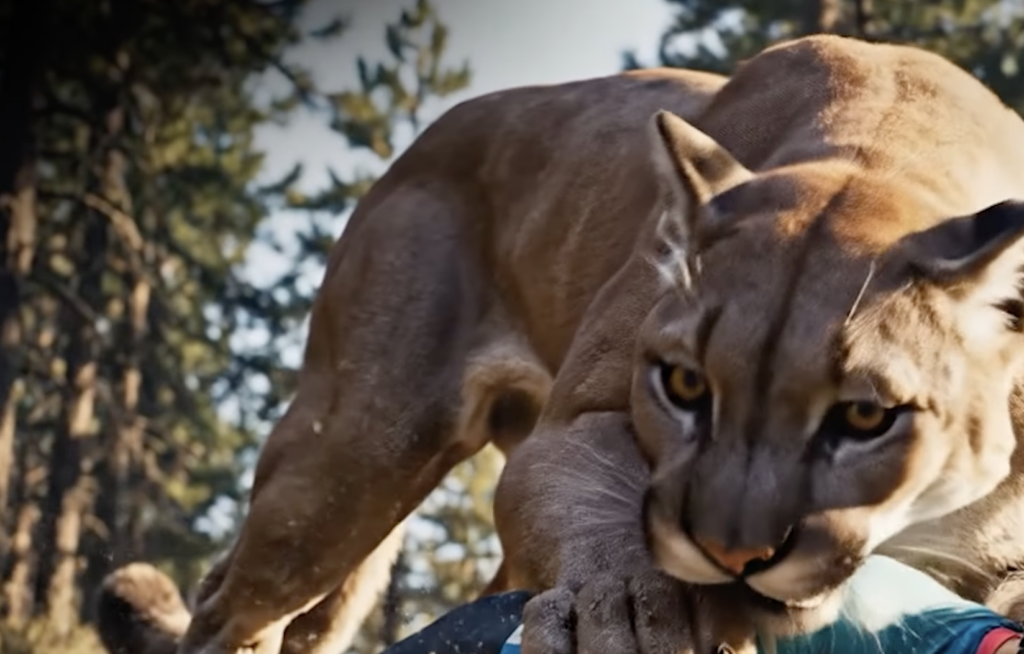
Keri fought desperately to stay alive. She tried to protect her throat while attempting to pry open the cougar’s jaws, even reaching toward its nose and eyes in an effort to make it release her.
At one point, she feared she would swallow her own teeth. Blood filled her mouth as the cougar pressed her into the dirt, making it increasingly difficult to breathe.
Then her friends attacked.
While one of the women called emergency services, the other three rushed toward the cougar and tried to force it away from Keri.
Annie Bilotta immediately grabbed the animal and attempted to choke it. But the cougar was incredibly powerful, and Annie described its neck as feeling almost like a rock. When she tried to pry open its mouth, she felt the animal shift its teeth, apparently preparing to attack her as well.
The women refused to back down.
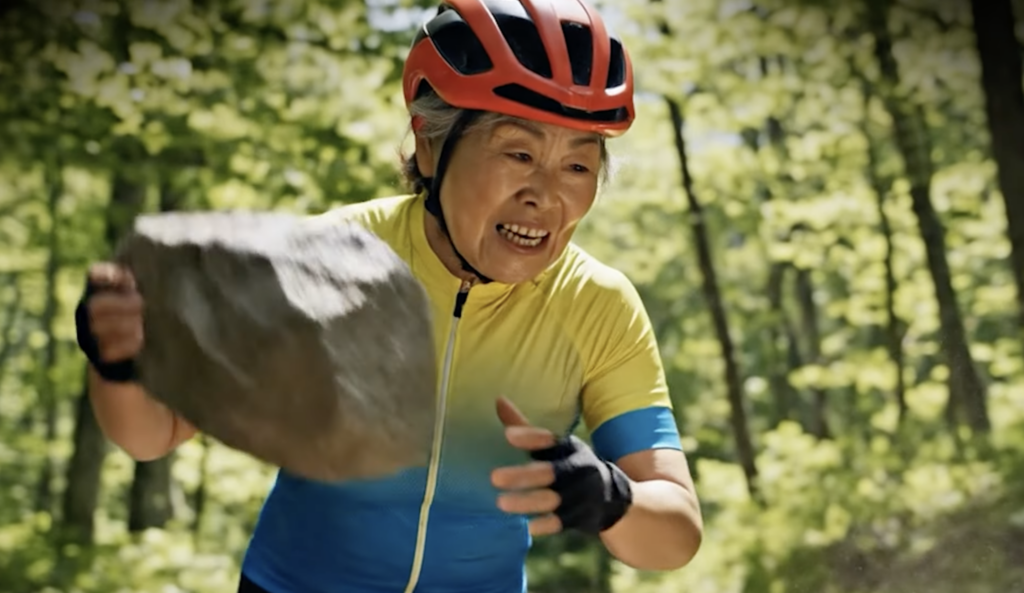
Auna shouted for someone to grab a stick. Tisch Williams grabbed a stick and a rock while Annie held onto the cougar and Auna pulled at its legs. Tisch then began striking the animal repeatedly with the rock.
The cougar still would not release Keri.
The friends continued fighting, using sticks and rocks and even a small knife in their desperate attempt to save her. After roughly 15 minutes, the animal finally began to tire.
That gave Keri an opportunity to escape.
But the cougar was still alive and dangerous, so the women came up with another idea. They placed a bicycle on top of the animal and all four friends stood on it to keep the cougar pinned down.
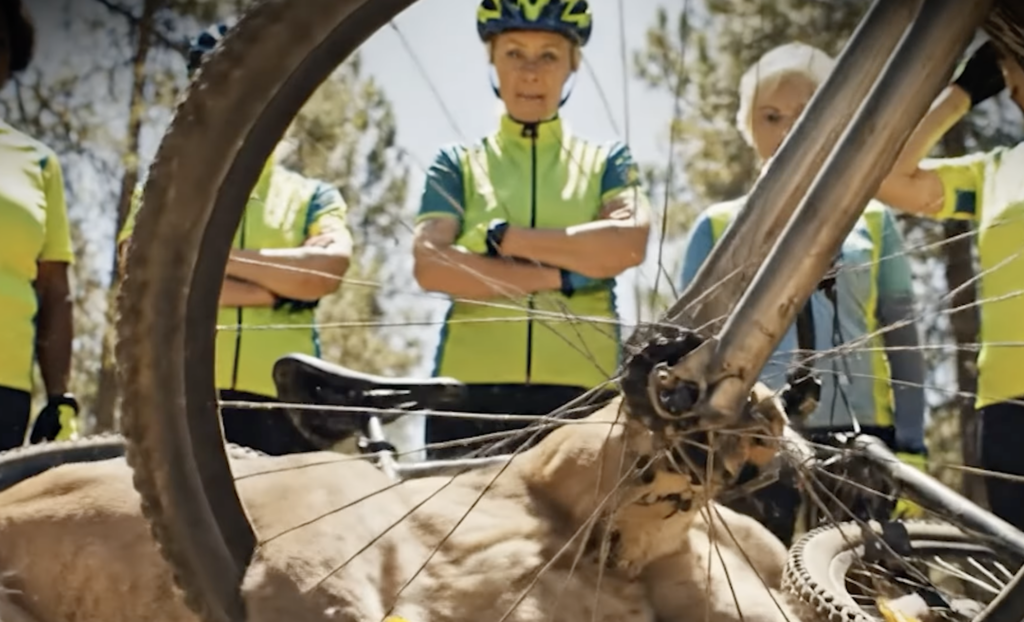
They maintained control of the animal for another 30 minutes until Officer Chris Moszeter with Washington Fish and Wildlife Police arrived and shot the cougar.
Keri was rushed to the hospital, where she spent five days recovering from her injuries. The attack left her with permanent nerve damage, but she survived.
An examination of the cougar later revealed an unusual detail. The animal had swallowed one of Keri’s earrings during the attack.
“He ate the earring right off my ear,” Keri recalled. “They wouldn’t give me a tooth, so I have my earrings back.”
Despite the horrific experience, Keri credited her friends with saving her life.
“I know for a fact I would be dead if they didn’t come back in,” she said. “I would just be gone.”
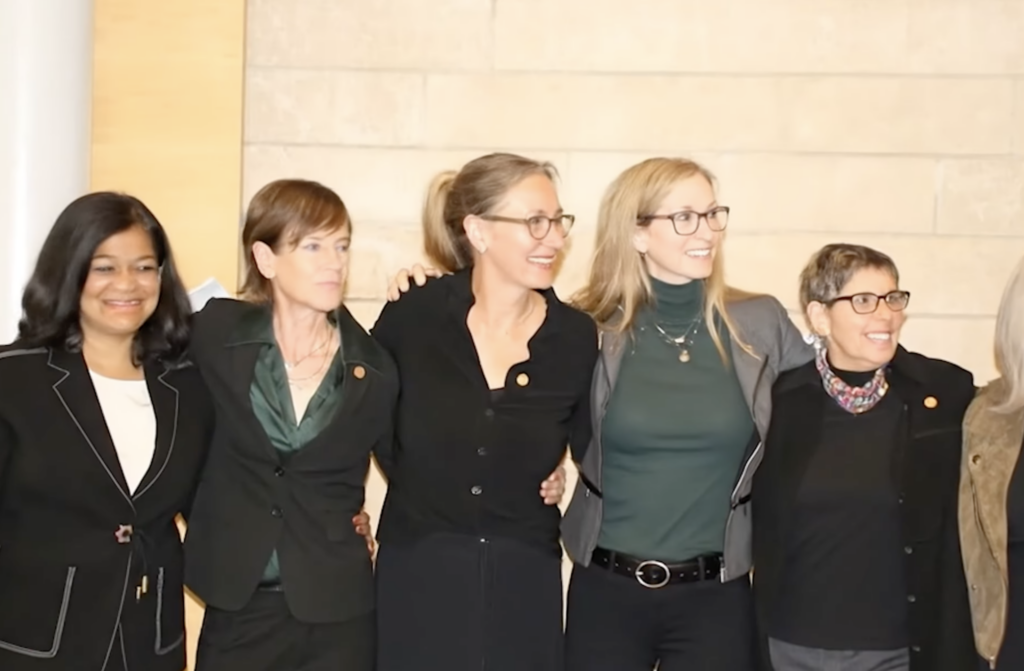
On June 25, 2024, Keri’s four friends were awarded the Carnegie Medal, one of the highest civilian honors for heroism in the United States and Canada. The award recognized their extraordinary courage in risking their own lives to save Keri from the cougar.
Cougar attacks on humans are rare, particularly when people travel in groups, but Keri’s experience demonstrates that there are no absolute guarantees when dealing with wild animals.
If a cougar attacks, fighting back can be critical. Protect your head and neck, make aggressive movements, and use nearby objects to defend yourself. If possible, target vulnerable areas such as the eyes and snout.
The best strategy, however, is to avoid an encounter in the first place. Stay alert in cougar territory, keep children and pets close, and never assume that being in a group makes you completely safe.
Keri survived because she fought back and because four friends refused to leave her behind. What began as an ordinary bike ride became a 15 minute battle for her life, and the courage of four ordinary people helped ensure she made it home.