For decades, Danny Masterson was known around the world for his role as Steven Hyde on That ’70s Show. But in 2020, the actor was charged with sexually assaulting three women, beginning a criminal case that would expose disturbing allegations involving not only Masterson, but also the Church of Scientology.
All three women knew Masterson through Scientology, and their experiences became a major part of the controversy surrounding the organization. During the trial, the women described alleged harassment, intimidation and pressure that they said made it difficult to report the assaults and speak openly about what had happened to them.
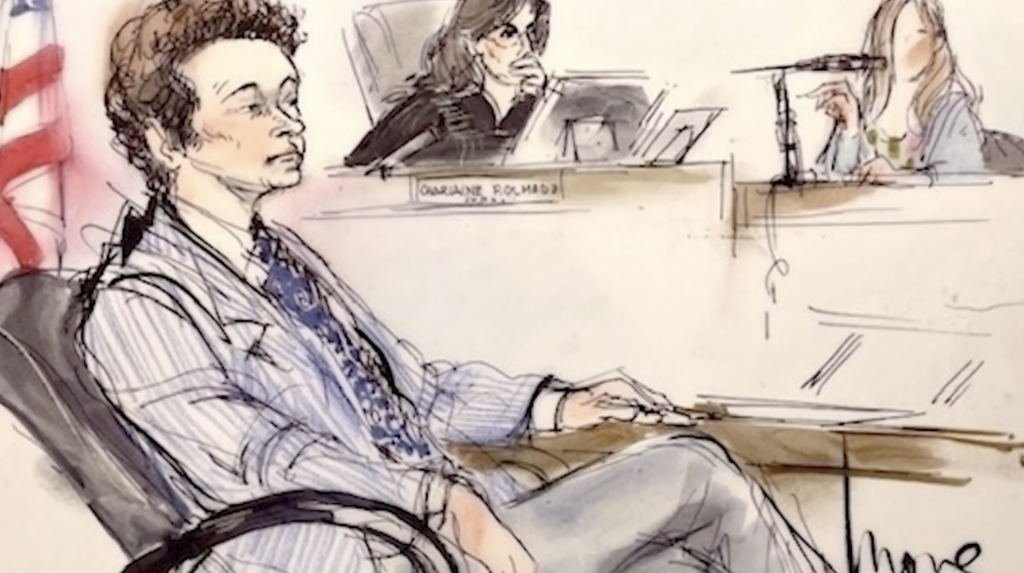
One of the women alleged that Masterson used a gun to prevent her from calling for help, warning her not to move. After reporting the alleged assault to Scientology officials, she said she was subjected to the organization’s internal disciplinary system and made to feel responsible for what had happened.
According to the accusers, they were also warned that reporting crimes to law enforcement could result in being declared enemies of the Church or being disconnected from other Scientologists. For people who had spent much of their lives inside the organization, leaving could mean losing relationships with friends, relatives and their wider community.
The women eventually sought justice through the legal system, but nearly two decades had passed since the alleged assaults.
Their allegations also brought renewed attention to the broader history of Scientology and accusations made by former members over the years. Scientology was founded in the 1950s by science fiction writer L. Ron Hubbard. The Church teaches that humans are immortal spiritual beings and promotes a path toward spiritual freedom and enlightenment.
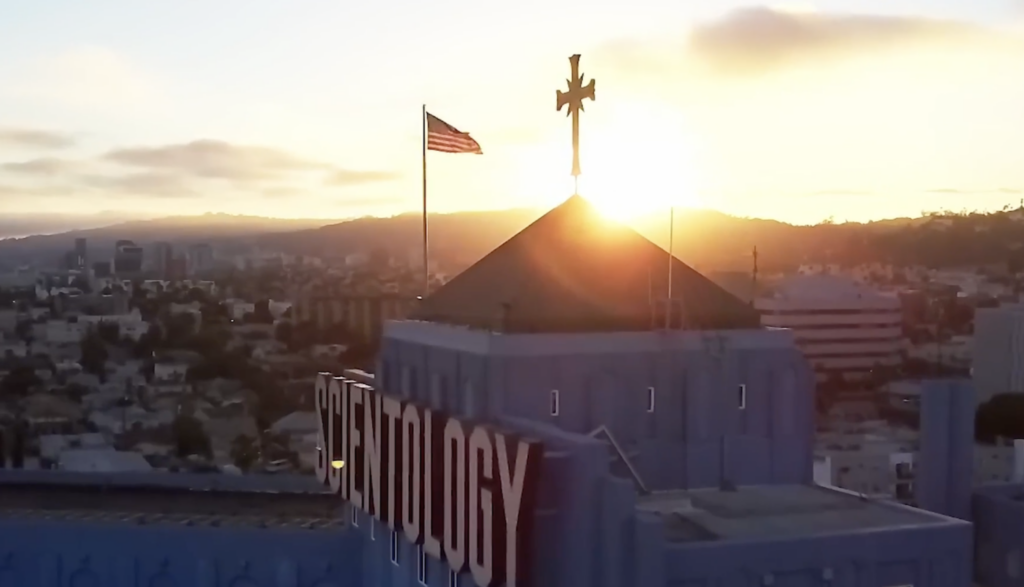
The organization says it has millions of members around the world, but former members have described a very different experience, particularly when people attempt to leave or publicly criticize the Church.
One of the most controversial cases involves Lisa McPherson, a Scientologist who had been a member of the organization for approximately 18 years. In 1995, after a minor traffic accident, McPherson was taken to a hospital for evaluation after displaying concerning behavior.
Scientology members later took her from the hospital to a Church facility in Clearwater, Florida, despite objections from medical personnel. She remained under the care of Scientologists for approximately 17 days before being transported toward a hospital.
She died on the journey.
McPherson had suffered severe dehydration and lost a substantial amount of weight during the period she was under Scientology’s care. The Church faced legal proceedings related to her death, although no one ultimately served prison time.
Another prominent former member is actress Leah Remini. She joined Scientology as a child and remained involved for decades before leaving the organization in 2013.
Remini later became one of Scientology’s most outspoken critics. Among the issues that contributed to her doubts was the disappearance of Shelly Miscavige, the wife of Scientology leader David Miscavige. Remini questioned why Shelly had not been publicly seen for years and wanted authorities to investigate.
After leaving the Church, Remini began speaking publicly about her experiences and created a platform for other former members to share their stories.
Other former members have also made serious allegations against Scientology. Chrissie Carnell Bixler, one of Masterson’s accusers, alleged that the organization retaliated against her after she spoke publicly about the abuse she said she experienced. She and her husband also accused the Church of involvement in the death of their dog, an allegation Scientology has denied.
Scientology has consistently rejected many of the allegations made by former members and critics, arguing that the organization and its members have been unfairly targeted.
The controversy surrounding the Church, however, continues to attract attention because of the number of former members who have described similar experiences involving pressure, isolation and intimidation.

For Masterson’s accusers, the journey to justice took years. For former members like Leah Remini, leaving Scientology meant beginning an entirely new life outside an organization they had once considered central to their identity.
The stories surrounding Scientology remain deeply controversial, but they raise a difficult question: what happens when a person decides to walk away from a powerful organization they once considered home?