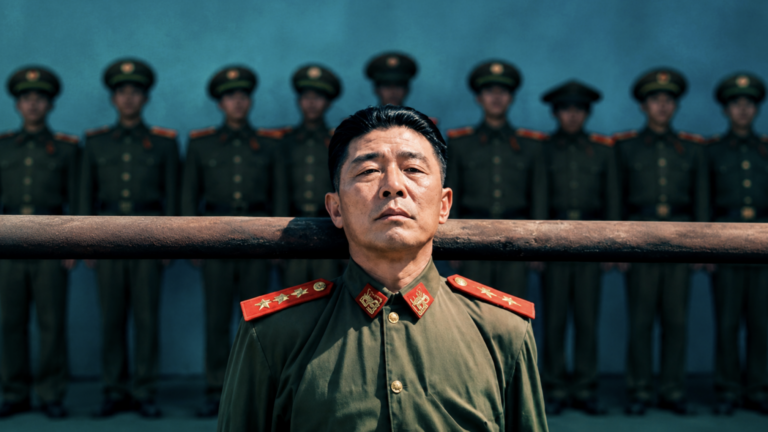
North Korea runs one of the most secretive prison systems on Earth. Labor training centers, re education camps, and at the most severe level, political prison camps known as kwanliso.
In those places, people are not simply arrested. They disappear.
A former North Korean spy described it bluntly. Nobody returns alive from a political prison camp, and something as small as watching South Korean television can put you inside one.
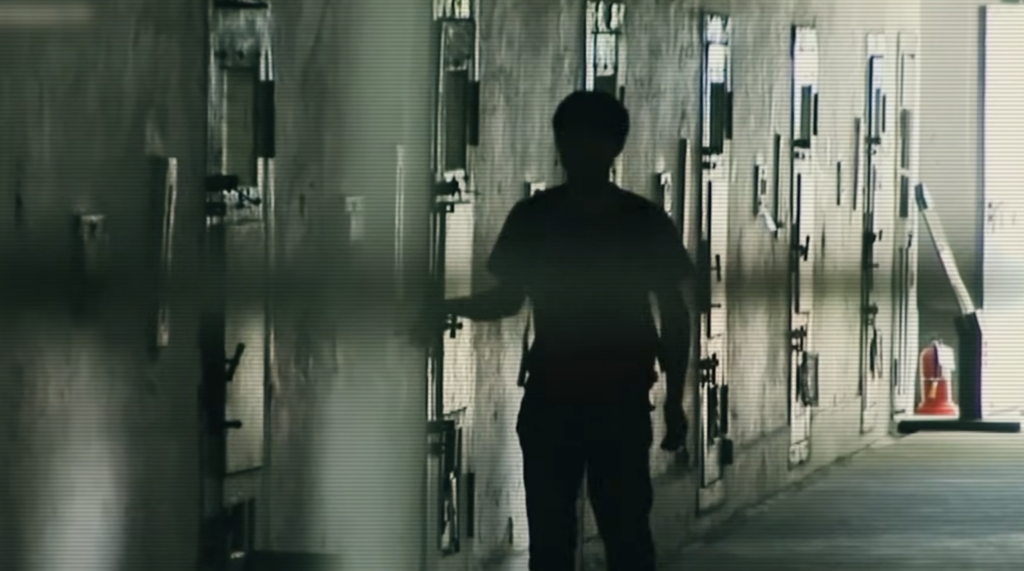
The outside world knows these camps only through satellite images and rare survivor testimony. Camp 14 is the most infamous of them.
Analysts have mapped its guard towers, factory buildings, fences, and mine shafts, documenting a system the government officially insists does not exist. Estimates put around 65,000 prisoners across political camps including Camp 14, 15, 16, and 25, with past totals possibly reaching 200,000 people at the system’s peak.
Everything inside Camp 14 is built around control.
Armed guards operate under shoot to kill orders. Electric fences surround every zone. Informants watch prisoners inside overcrowded barracks, and daily life runs on rigid rules: work without complaint, never hide food, report anything suspicious, accept punishment without question.
Breaking any of them can mean a brutal beating or execution.
Torture is not an exception either. According to a former officer in North Korea’s internal security system, it is routine.
Prisoners describe being suspended by ropes, forced into stress positions, and burned or beaten during interrogations. Survivor Shin Dong hyuk recalled being tied up and lowered toward fire until his back was scorched, a punishment designed to break the body and the mind together. Former guards have described water torture as well, with prisoners repeatedly submerged until they nearly drowned.
Survival otherwise comes down to labor and hunger.
Prisoners receive minimal food, usually maize and cabbage soup three times a day, and quotas decide whether they eat at all. Fall short and rations shrink. Fall short repeatedly and you die. With no reliable supply, prisoners eat rats, frogs, and insects to stay alive.
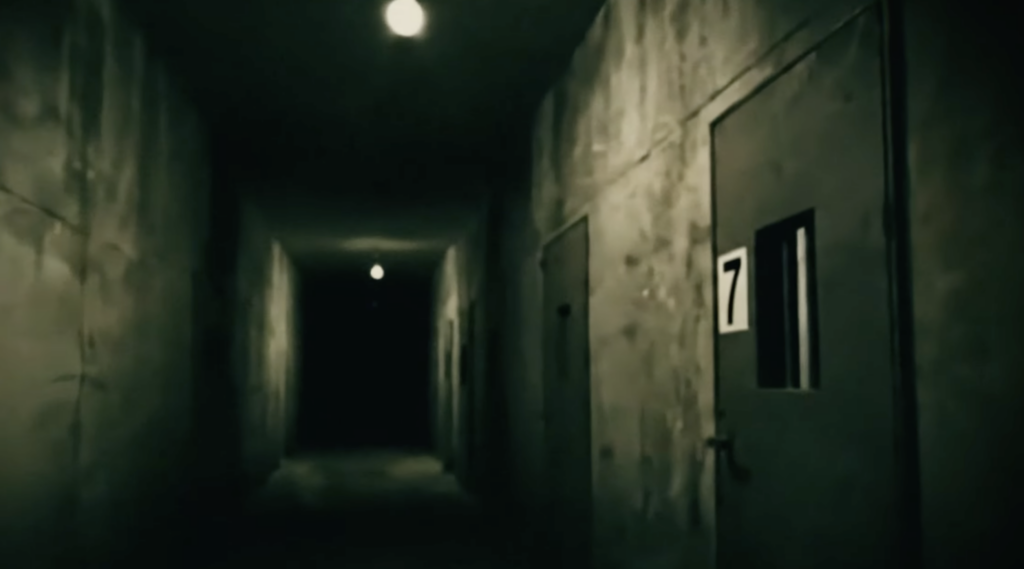
Children are not exempt from any of it. Some are pushed into mining work at six years old, hauling carts and digging in dangerous conditions.
Entire families are imprisoned under the principle of guilt by association, meaning a single political offense can jail three generations at once. Inside, children are made to spy on their parents and parents on their children, until trust is replaced entirely by survival instinct.
Punishment is frequently public. Executions are mandatory viewing, staged specifically to instill fear, and one survivor described watching his own mother and brother executed after being forced to report them.
Escape is close to impossible. Camp 14 sits ringed by mountains, electrified fences, and armed patrols.
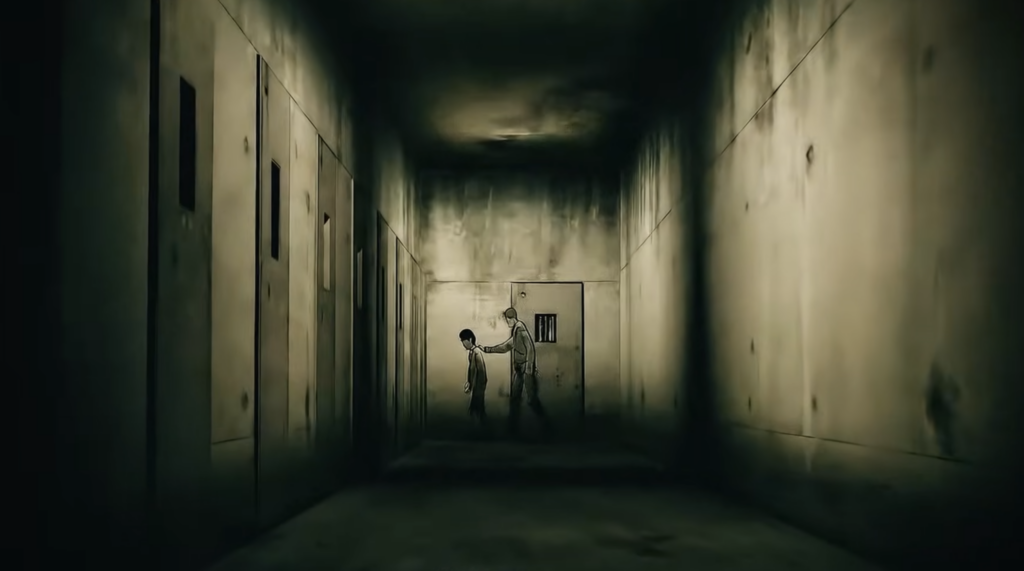
Yet in 2005, Shin Dong hyuk got out with another prisoner. His companion died on the fence. Shin crawled through and ran, and for the first time saw a world where people moved freely, used money, and lived without constant fear.
Freedom cost him. Years of starvation, torture, and psychological conditioning left permanent damage. After reaching South Korea he became a human rights activist, speaking publicly about the prison system and the thousands still held inside it.
Camp 14 is still operating. The outside world continues to struggle to access or influence it, while reports suggest prisoners remain in forced labor connected to global supply chains.
None of this is really about one man or one camp. It is about a system built to erase identity, family, and hope, where survival is not about escaping at all.
It is about enduring one more day in a place the world still cannot fully see.