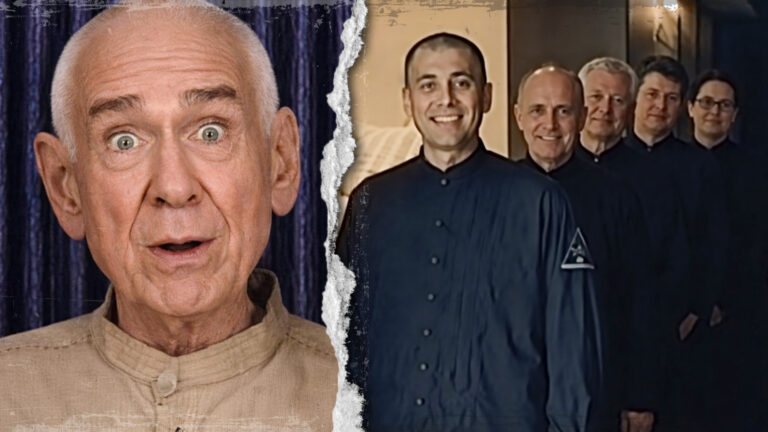
The most dangerous groups in history did not open with violence. They opened with an offer.
Belonging. Answers to the questions nobody else could resolve. A community where you finally felt accepted, at exactly the moment you needed one.
By the time the control appeared, most members had already handed over their money, their relationships, and their ability to leave.
Psychologists describe cults as high control groups built around a charismatic leader demanding extreme loyalty. The patterns repeat with unsettling consistency: isolation from outsiders, unquestioning obedience, emotional manipulation, and a belief that the leader holds knowledge nobody else can challenge.
Experts estimate that thousands of cult like groups exist worldwide, appearing as religious movements, doomsday organizations, self improvement programs, and online communities. The beliefs vary enormously. The methods barely change at all.

Recruitment rarely announces itself. Groups target people during vulnerable moments, through loneliness, grief, stress, or uncertainty, offering simple answers to complicated problems and the feeling of having found somewhere to belong.
Independence goes gradually. Members hand over money, drift from family and friends, and start relying on the group for decisions about their own lives until the leader sits at the center of everything and leaving feels impossible.
Three cases show how far that can go.
The Peoples Temple and the Tragedy of Jonestown
The Peoples Temple began in the 1950s under Jim Jones, attracting followers with messages of equality, racial integration, and social justice. In a period of intense racial tension in the United States, he presented his church as somewhere everyone was welcome.

Many saw him as a powerful speaker and a protector, and some called him Father because of the emotional bond they felt.
Behind that message he was building a system of control. Members were pushed to cut off critics, donate their money, and give their lives entirely to the movement.
Eventually hundreds relocated to a remote settlement in Guyana called Jonestown, promoted as a peaceful socialist paradise away from the problems of the outside world.
Former members described something else: harsh conditions, exhausting labor, limited food, and constant monitoring. Jones ruled through fear, warning repeatedly that enemies were coming and that leaving meant certain death.
He also ran rehearsals. During events called White Nights, followers practiced what he termed revolutionary suicide, and most believed they were only loyalty tests.
On November 18, 1978, it stopped being a rehearsal.
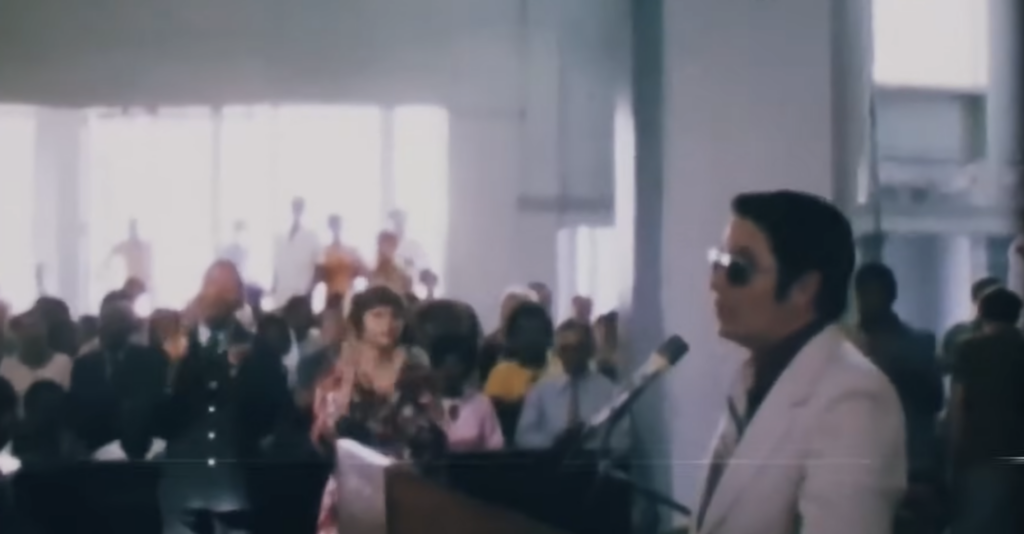
U.S. Congressman Leo Ryan had visited Jonestown to investigate concerns about the community. He and several others were attacked and killed while trying to leave Guyana.
Jones then ordered his followers to drink a mixture laced with cyanide. More than 900 people died, including hundreds of children.
Some survived by refusing or escaping into the surrounding jungle. The phrase drinking the Kool Aid entered the language afterward, though the drink actually used was a cheaper grape flavored beverage called Flavor Aid.
The lesson holds up: any leader demanding total loyalty, separation from loved ones, and obedience above your own judgment is not offering freedom.
Charles Manson and the Cult of Personality
Manson built no church. He built a small group of followers who saw him as a revolutionary figure with special knowledge of the future.
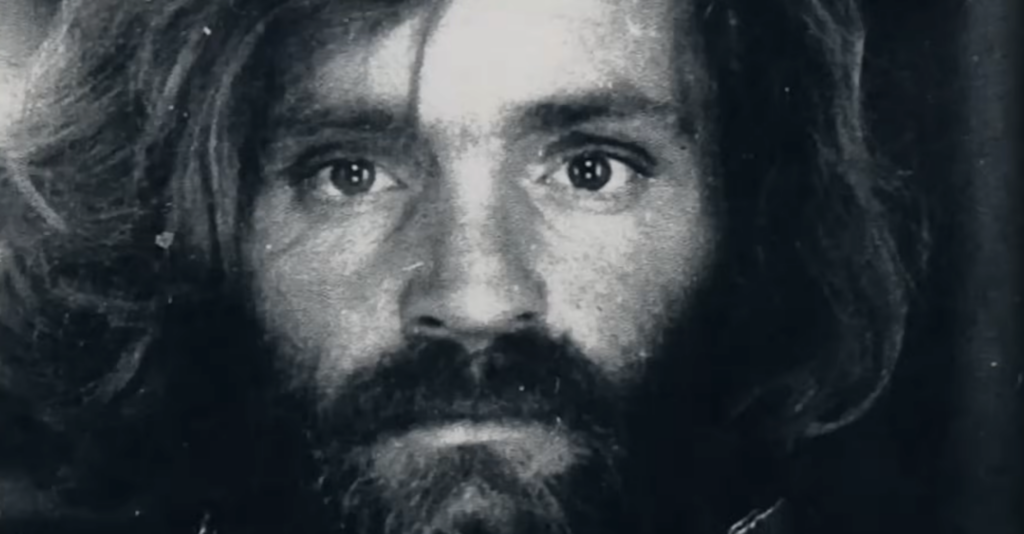
During the late 1960s he attracted young people searching for meaning, many of them runaways or people drawn to alternative living during the counterculture movement.
At his California commune, known as the Manson Family, he positioned himself as a spiritual guide, blending religious ideas, conspiracy theories, and his own prediction of a coming race war he called Helter Skelter.
It looked like a free spirited community at first. Then the control tightened. He isolated followers, manipulated their relationships with each other, and convinced them he alone understood what was really happening.
In 1969 he persuaded several of them to commit a series of murders, including the killing of actress Sharon Tate and four other people at her home in Los Angeles.
The crimes shocked the world and permanently altered how the public viewed the 1960s counterculture.
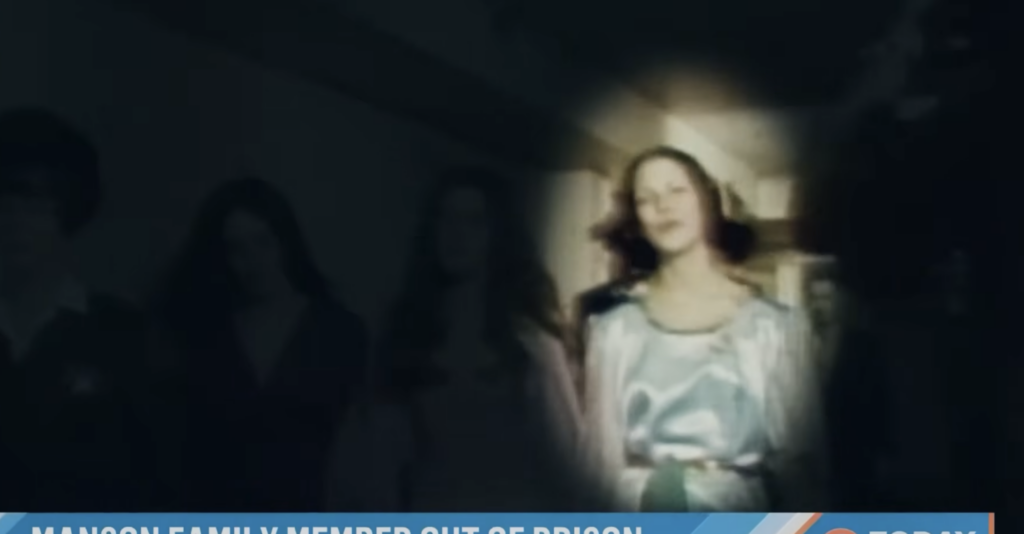
What disturbs people most is not the violence itself, but that ordinary individuals could be persuaded into it after years of psychological manipulation. Former members later described how Manson slowly dismantled their independence until obeying him felt entirely normal.
NXIVM: When a Self Help Company Became a Cult
For decades people pictured cults as isolated groups in remote places. NXIVM broke that image completely.
Founded by Keith Raniere in the late 1990s, it presented itself as a professional self improvement organization, with members paying thousands of dollars for seminars promising personal growth, success, and emotional transformation.

From outside it resembled a modern coaching program, complete with a ranking system and structured courses. Some influential people became involved, lending it an appearance of legitimacy.
Underneath sat a secret organization called DOS.
Women inside DOS were pressured into providing personal information, including damaging secrets and private photographs that could later be used against them. Some were forced into extreme diets and subjected to sustained psychological manipulation, while the group demanded complete obedience to Raniere and immediate responses to messages from leaders.
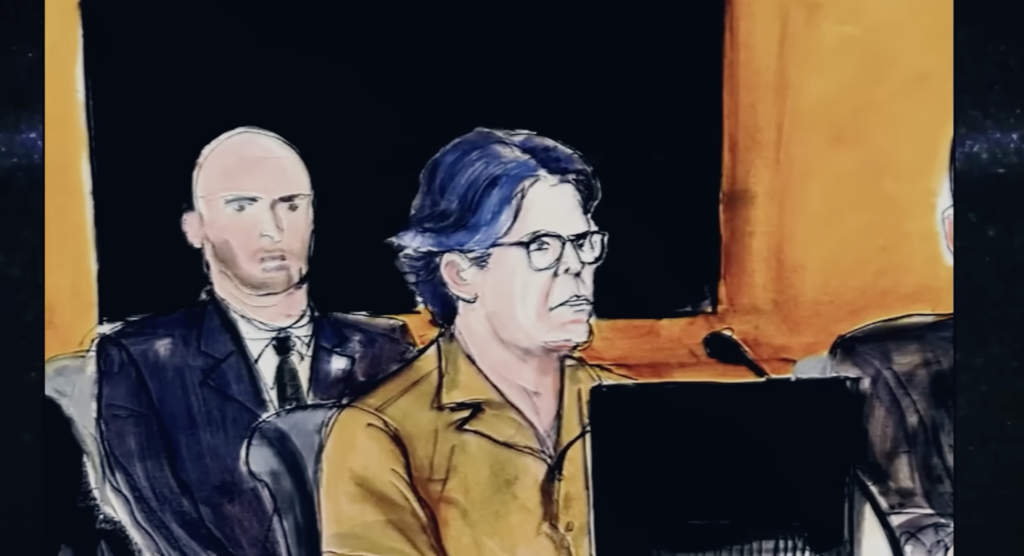
It came apart when former members gathered evidence and took their accounts to journalists and law enforcement. Raniere was later convicted on charges including sex trafficking and racketeering.
NXIVM proved the most important point about all of this. Dangerous groups do not always look strange from the outside, and sometimes they arrive dressed as success programs, education systems, or personal development movements.
The warning sign was never unusual clothing or unfamiliar beliefs. It is a demand for control over your time, your relationships, your choices, and your identity.