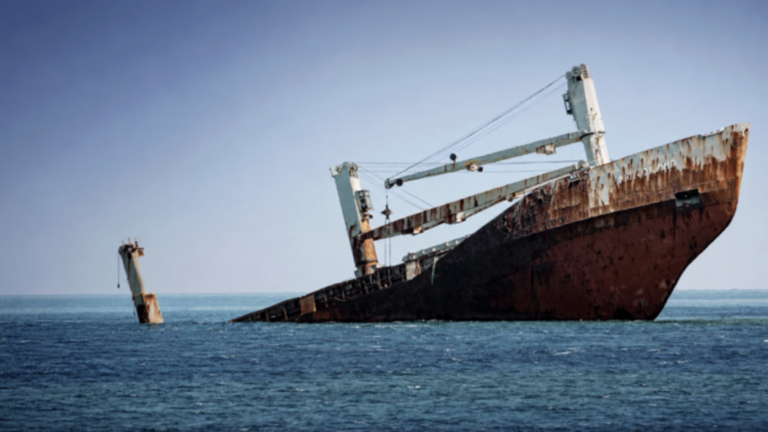
Common sense says that once a ship reaches the seabed, anyone still inside has minutes at most. The water gets in, the air runs out, and that is the end of it.
One man proved otherwise, staying alive for nearly three days beneath the ocean.
What kept him breathing was a pocket of air trapped against the ceiling of an overturned bathroom, and the discipline not to waste it.
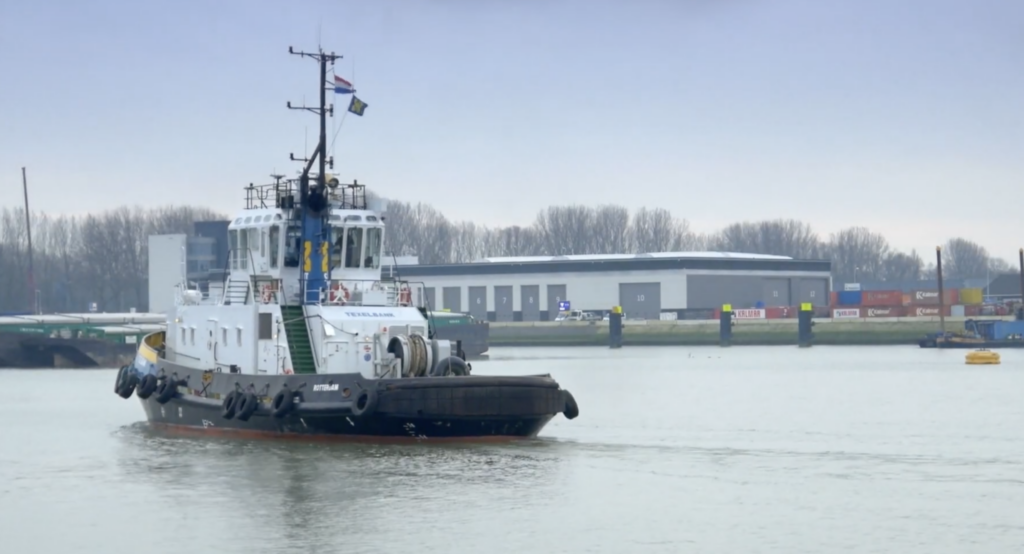
Harrison Okene was working as the cook aboard the tugboat Jascon-4, operating off the coast of West Africa during rough weather, when a massive wave rolled the vessel over.
It happened so fast the crew had almost no time to react.
Harrison ran for an emergency exit, trying to get out before the ship went under. The force of the sinking pulled him backward instead, sweeping him through flooding corridors and into a small bathroom cabin as the tugboat dropped more than 30 meters to the seabed.
Then the darkness closed in and he understood he was trapped.
Seawater filled nearly every compartment, but a small pocket of air held near the ceiling of the overturned cabin. Not much of one. Enough.
From that moment, every breath counted.
He stayed as calm as he could and moved as little as possible, because panic would have accelerated his breathing and burned through the air far faster. Surrounded by freezing water in total blackness, he listened to the ocean pressing against the wreck and hoped somebody would come looking.
Hours became a full day. Then another.
With no way to signal, Harrison had no idea whether anyone even suspected he was alive. The rest of the crew had died in the accident, and rescuers assumed they were recovering bodies.
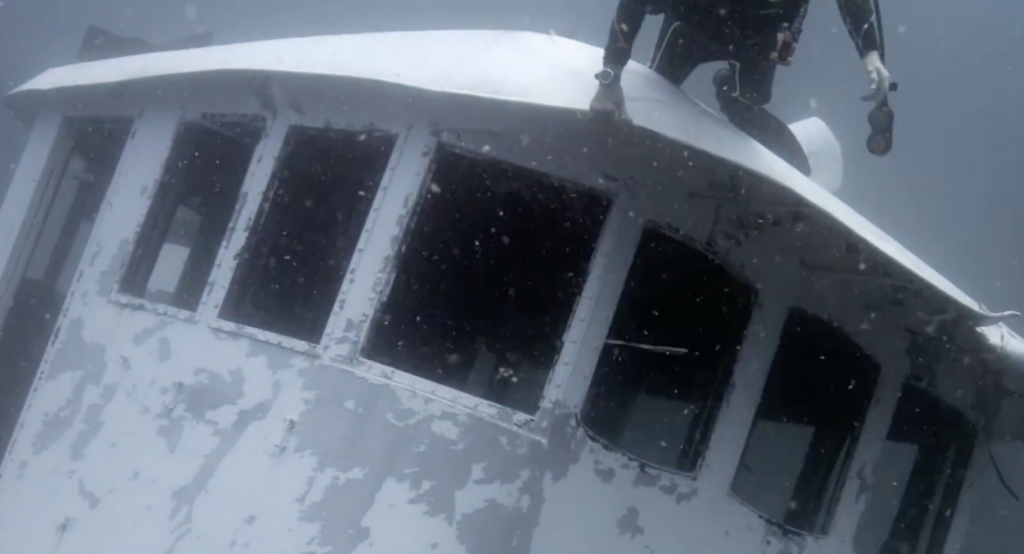
Nearly 60 hours after the sinking, a team of commercial divers descended to bring the victims up.
Moving through the wreck, one diver caught movement in the dark. Expecting another body, he instead watched a hand reach out toward him.
He was so startled that he grabbed it before fully processing what it meant. Someone had survived almost three days inside a sunken ship.
Getting him out was its own problem. After that long under pressure at depth, bringing Harrison straight to the surface could have caused severe decompression sickness, so he was carefully moved into a diving bell and put through decompression treatment instead.
His rescue remains one of the most extraordinary maritime survival stories ever recorded.
Experts point to three things that saved him: the trapped air pocket, his ability to stay calm enough to conserve oxygen, and the timing of the recovery divers arriving when they did.
Remove any one of them and the story ends the way everyone expected it to.
Instead, a small bubble of air at the bottom of the ocean turned out to be the difference between life and death.