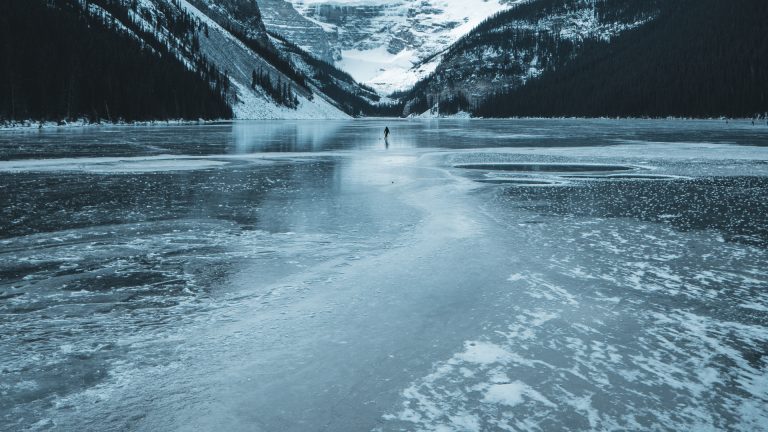
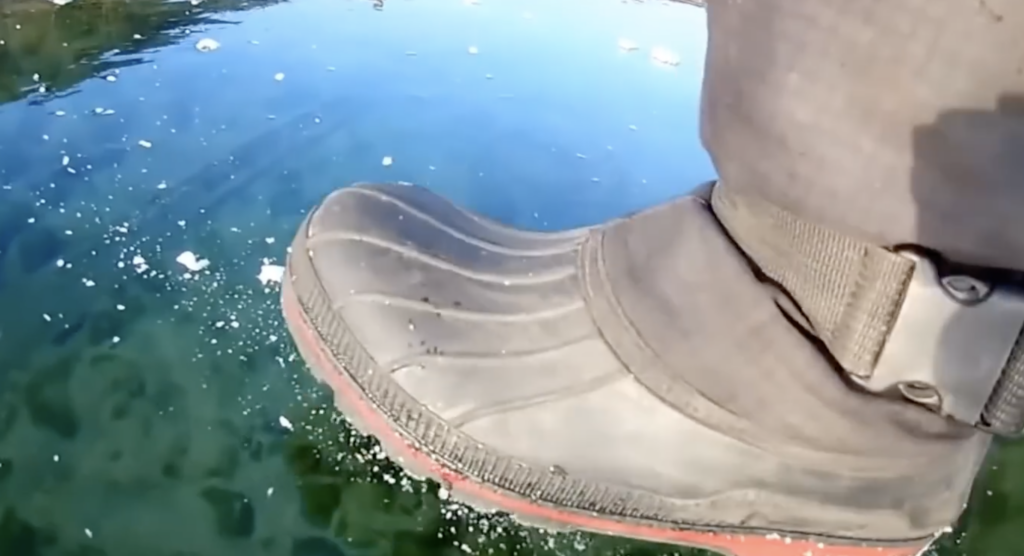
A frozen lake can create a dangerous illusion of safety. From above, the surface may appear thick and perfectly solid, even when weak ice is hiding underneath. Although clear blue ice is generally considered stronger than cloudy or white ice, there is never a guarantee that a frozen body of water can safely support a person.
People venture onto frozen lakes for many reasons. Ice fishing, skating, skiing, and snowmobiling are popular winter activities, while others may simply cross a frozen surface because it appears to provide a convenient shortcut. But temperatures can change, water can move beneath the ice, and thickness can vary dramatically across the same lake.
When the surface suddenly collapses, the situation can become critical within moments. Falling into freezing water triggers an immediate physical reaction that can make even basic movements difficult.
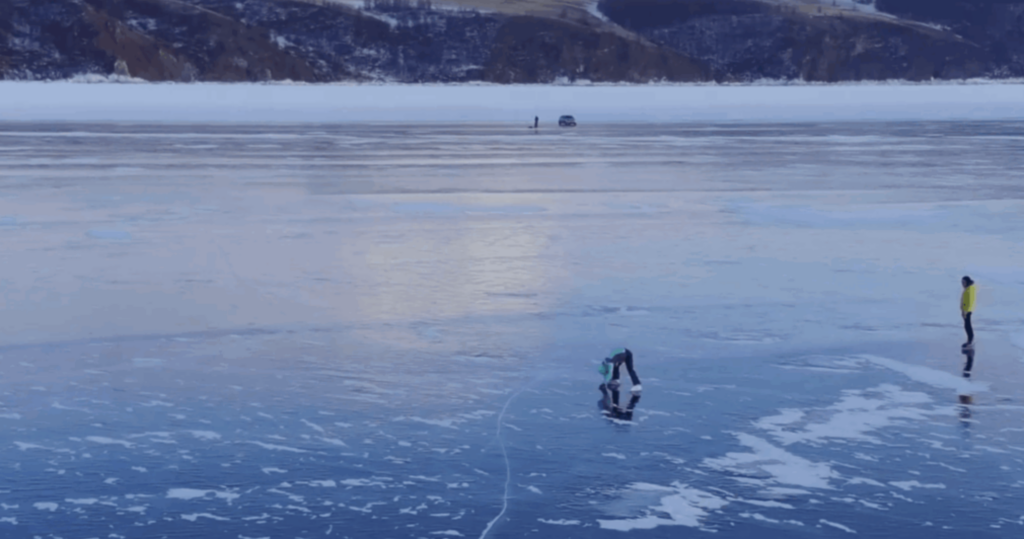
The first thing your body experiences is cold shock. The sudden exposure to extremely cold water can cause an involuntary gasp followed by rapid, uncontrolled breathing. This reaction can make it difficult to think clearly and increases the danger of inhaling water, especially during the first moments after the fall.
Once the initial shock begins to settle, another problem develops. Cold water quickly reduces the effectiveness of your muscles, particularly in your hands, arms, and legs. Your fingers may become numb, your movements can become clumsy, and tasks that normally require little effort can suddenly feel almost impossible.
This is why getting out of the water should be your immediate priority. Trying to swim around aimlessly wastes energy and exposes your body to even more heat loss. If the ice around the opening appears stable enough to support you, turn toward the direction you came from and attempt to climb out there.
Spread your arms across the ice and kick your legs to help lift your body horizontally. Avoid trying to pull yourself straight upward, because your weight may be concentrated on a small section of ice and cause it to break again.
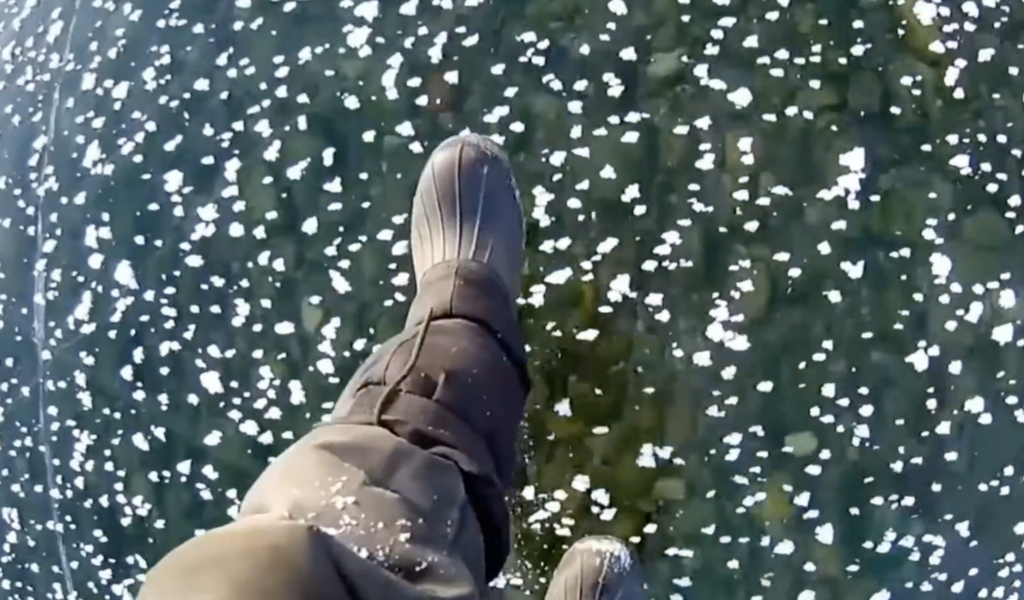
Once your upper body is back on the surface, continue moving away from the opening rather than immediately standing. Rolling or crawling distributes your weight across a larger area and reduces the chance of breaking through a second time.
If you cannot escape by yourself, calling for assistance is extremely important. Shouting for help can alert people nearby, while emergency services should be contacted as quickly as possible. If someone else falls through the ice, rescuers should avoid rushing directly to the opening because they could also break through.
There have been extraordinary examples of people surviving prolonged exposure to freezing water. One of the most famous involved Swedish radiologist Anna Bågenholm, who crashed through ice while skiing near Narvik, Norway.
Bågenholm became trapped beneath the frozen surface and remained submerged for approximately 80 minutes. She eventually suffered cardiac arrest, but rescuers managed to recover her and medical teams later restored her circulation. Her survival became an extraordinary example of how the human body can sometimes withstand conditions that would normally be fatal.
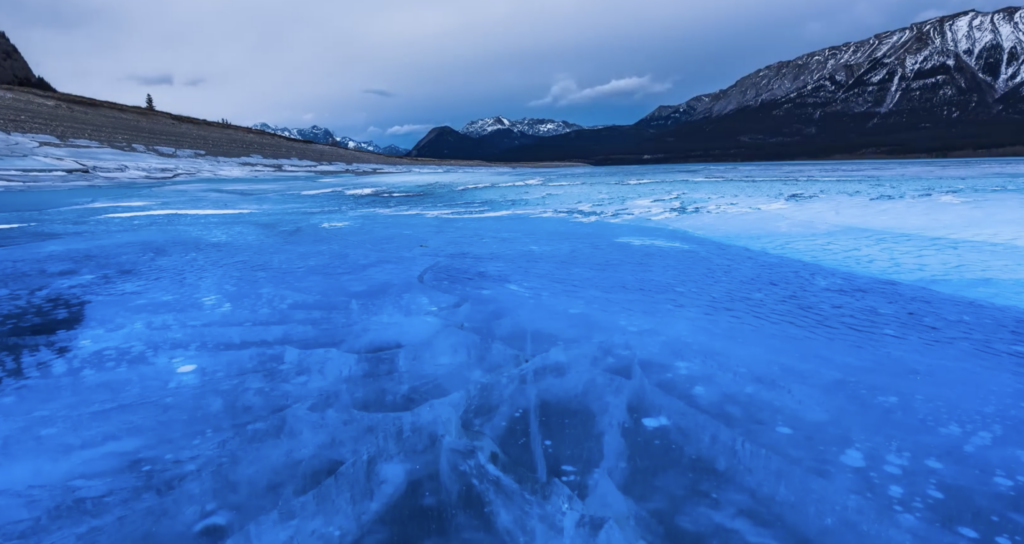
Being trapped beneath the ice creates another terrifying challenge. If you become submerged and cannot immediately find the opening, look for the brightest area above you. The original hole may allow more light through than surrounding sections of ice, while snow covered surfaces can appear considerably darker.
Keeping your head oriented toward the surface can help you avoid wasting precious energy swimming in the wrong direction. However, preventing the fall in the first place is always safer than relying on rescue equipment or survival techniques.
Ice picks can be useful for people who regularly travel across frozen environments. These small tools provide something solid to grip when bare hands cannot gain enough traction on smooth ice.
If you carry them, keep them somewhere immediately accessible rather than buried inside a backpack. After breaking through, they can be driven into the ice so you can pull yourself forward while kicking your legs and keeping your body as horizontal as possible.
Even with the right equipment, however, survival depends heavily on speed and preparation. Freezing water can overwhelm the body rapidly, and panic can make the situation even worse.
The safest approach is to treat every frozen lake with caution. Check local ice conditions, avoid questionable areas, stay away from moving water, and never assume that a surface is safe simply because other people have crossed it.
A frozen lake may look calm and harmless from above, but beneath that surface could be a deadly trap. If the ice suddenly disappears beneath your feet, staying calm, keeping your airway above the water, and getting back onto solid ice as quickly as possible could determine whether you survive.