A French backpacker who was sunbathing was bitten, a 10-year-old boy was attacked and dragged into the water beside his campsite, and an 8-year-old was nipped and scratched as his father held him up.
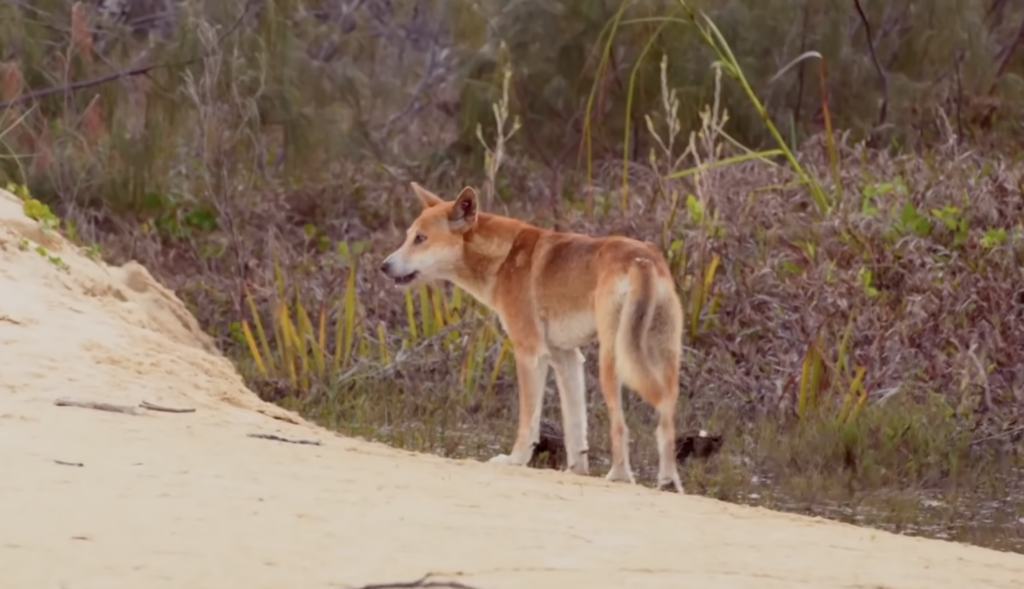
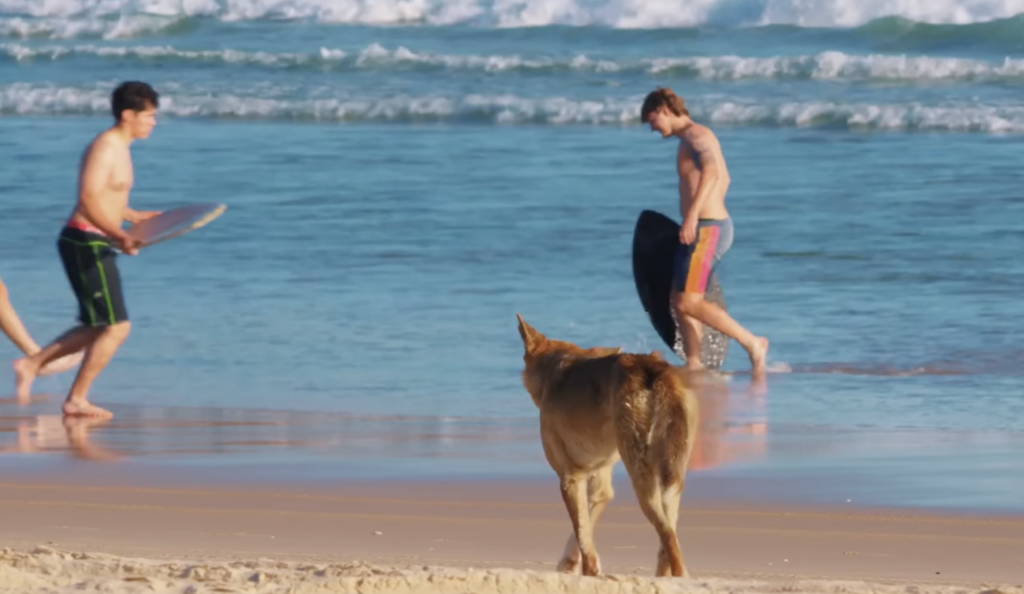
In certain areas of Australia dingo attacks have become a more serious issue. Although these wild dogs usually steer clear of people, frequent encounters with tourists can make them less afraid of humans and much more ready to come near.
That level of familiarity can very quickly turn dangerous since in places where tourists feed dingoes, leave food over, or try to interact with them the animals start to link humans with a readily available source of food.
The issue is by no means brand new, for many Australians will still recall the notorious case that gave rise to the expression, “A dingo ate my baby.”
At a family camping excursion close to Uluru-Kata Tjuṯa National Park in 1980, Lindy Chamberlain-Creighton had her nine-week-old daughter, Azaria, taken from the family’s tent by a dingo.
It became one of Australia’s most notorious criminal inquiries, and Lindy and her husband were convicted in relation to their daughter’s death; however, more than 30 years later a coroner’s report established that Azaria had been taken by a dingo, thus exonerating her parents.
At present, encounters with dingoes remain a concern, especially on K’gari Island, the number of reported high-risk incidents having increased from five in 2022 to 19 by July 2023.
Risk is not limited to tourists.
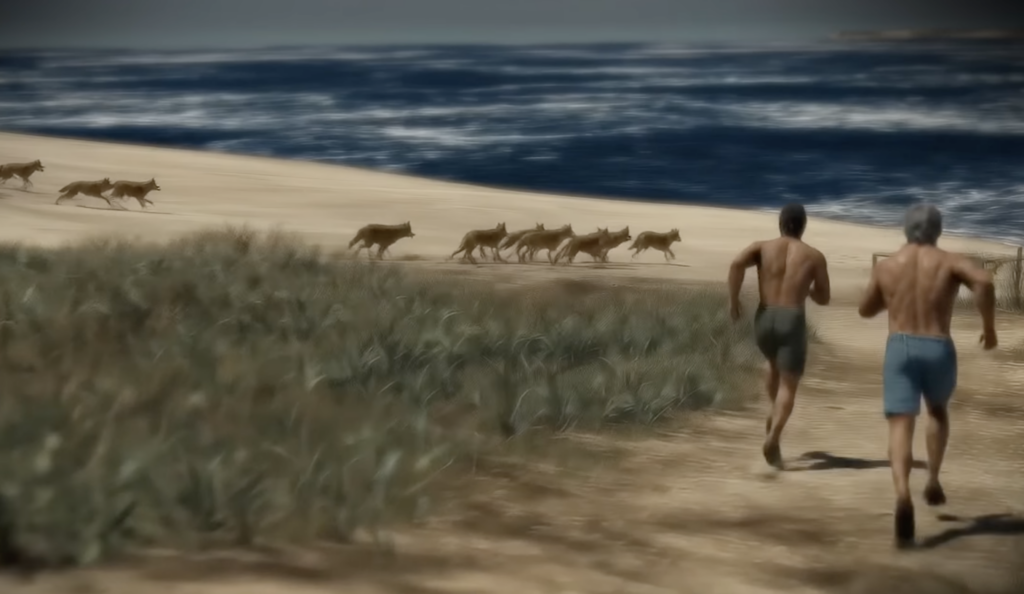
In 2023 Sarah Peet, who was 23 years old, was running in the morning on Orchid Beach when three dingoes suddenly attacked her.
When there were a number of wild dogs around, Sarah attempted to get away by running towards the ocean, but rather than stopping, the dingo followed her into the water.
Sarah found herself caught between the pack and the sea, and the animals went on with their attack until two men ran into the situation and managed to drive them off.
The rescuers were able to drive the dingoes away, but they didn’t manage to get away without suffering some injury. A man did get bitten on the hand when he was trying to protect Sarah.
Sarah’s injuries were much more serious; she was airlifted to hospital where there were over 30 lacerations on her arms and body.
The fact that this incident shows how dangerous it can be to get near dingoes is clear. As Josh Nellie points out, the most dangerous dingoes are generally the ones living in or around built-up areas since they get used to people and therefore lose their natural fear of them.
Children are especially susceptible. A small child might appear less dangerous to a dingo and might not be able to tell the difference between a wild animal and a friendly dog.
What should you do if a dingo comes near you?
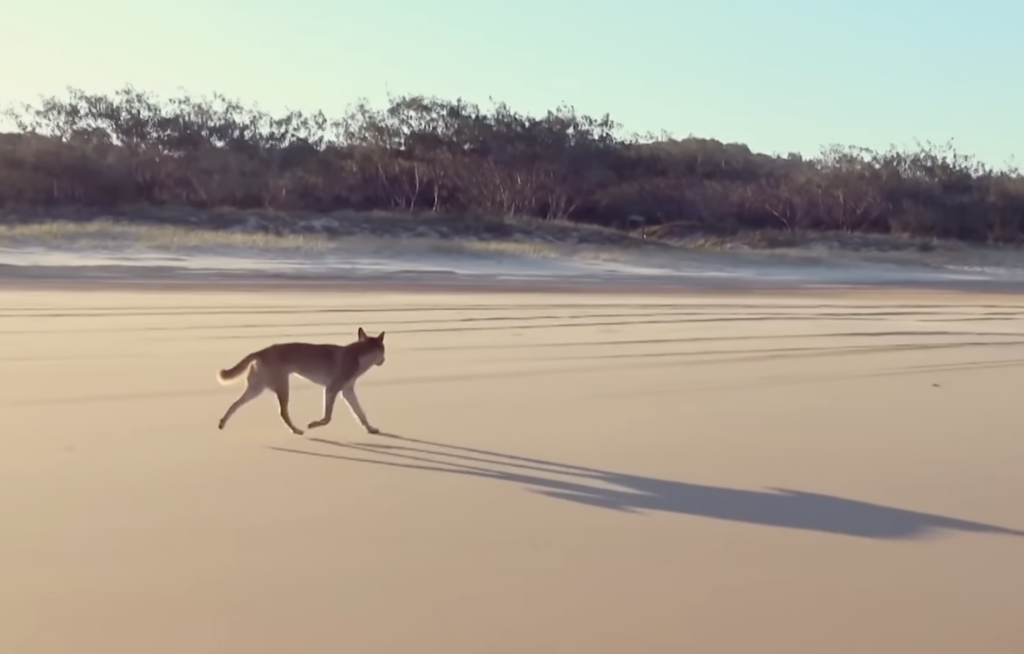
It would be best not to run since doing so could set off a chase reaction and cause the animal to pursue you. Rather, stay where you are, appear as big as you can and ask for help if there are other people around. When the dingo attacks, defend yourself aggressively by targeting its eyes or snout.
Even though running into the ocean may seem like a good way to get away from a group of wild dogs, Sarah’s experience proves that it doesn’t necessarily suffice.
In Australia’s waters there’s yet another predator you for sure do not want to meet.