
For decades Rikers Island has been the subject of controversy because of overcrowding, violence, frequent staff shortages, abuse, medical neglect and deaths, all of which have led to repeated calls for the closure of the jail complex. The facility still remains open, even though it has been the target of criticism for years and reform promises have been made.
The history shows why the problem has been so hard to solve; Rikers Island was at first farmland belonging to the wealthy Dutch Rycken family before New York City bought it in 1884 and used it as a dump. The city then used forced labour supplied by prisoners from other jails in New York to construct the facility, which opened in 1932.
In its first ten years watchdogs had already called Rikers inhumane. From the 1950s into the 1970s overcrowding, hunger strikes and riots became normal occurrences. In the 1980s and 1990s the conditions got worse, with youth suicides, gang control of the cellblocks and even some of the correctional officers taking part in riots as a protest.
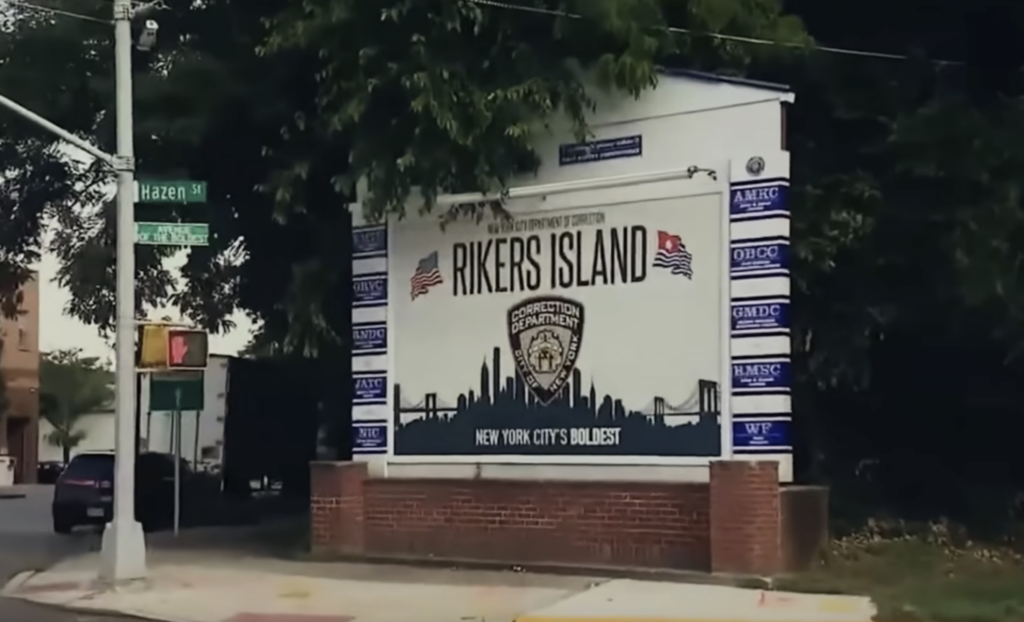
When it was at its busiest over 20,000 people were imprisoned there, which made Rikers the largest jail in the United States. In the 2000s the facility was frequently in the news because of violence, the use of excessive force, misconduct by staff, inadequate medical care and unsanitary living conditions.
There were certain cases which came to stand for the reasons why Rikers should close. In 2010 an 16-year-old boy, Kalief Browder, was arrested allegedly for stealing a backpack and was detained at Rikers since he could not pay bail. He remained there for over 1,100 days, spending a large part of that time in solitary confinement, before the charges against him were withdrawn. Kalief Browder then died by suicide in 2015 when he was only 22 years old, thus sparking renewed calls for the jail to be closed.
The fact that other deaths continued to increase the demand for closure should not be overlooked. In 2019 Layleen Xtravaganza Polanco died while in solitary confinement following a seizure, even though she had previously informed the authorities about her epilepsy and her history of having seizures. As a result, a settlement of $5.9 million was reached with her family.
The problems did not end with the inmates; staff shortages also became a major issue, since it was reported that about one third of the correctional officers took sick leave in 2021. There was also a dramatic rise in the number of monthly absences without leave, which left the jail understaffed at a time when violence had continued to increase.
In 2021 fifteen prisoners died in Rikers as a result of suicide, overdose or COVID 19; the following year the number of deaths reached nineteen. Because of this the pressure to close down the complex increased and New York City agreed to a plan whereby Rikers would be replaced by four smaller jails in the boroughs.
However, replacing Rikers has been difficult since the construction of the new facilities is behind schedule and two are expected to be finished in 2031 with another in 2032. The new facilities planned would together offer just more than 4,000 beds, whereas Rikers has just over 7,000 inmates.

In May 2025, U.S. District Judge Laura Taylor Swain decided to take over Rikers and appointed an independent official to keep sight of its operations, with the aim of introducing changes to staffing, the rules and employee discipline.
There is also a law which requires Rikers to close by 2027; however, Jacques Jiha, New York City’s budget director, has stated that the closure will not take place by that time.
The reason why Rikers is still in operation after so many years of violence, scandals and failed efforts to reform it is that constructing a new facility has taken longer than anticipated. The issue nowadays is not merely whether Rikers should be closed, but whether New York will in fact be able to build and get the new system ready before the jail is meant to disappear.