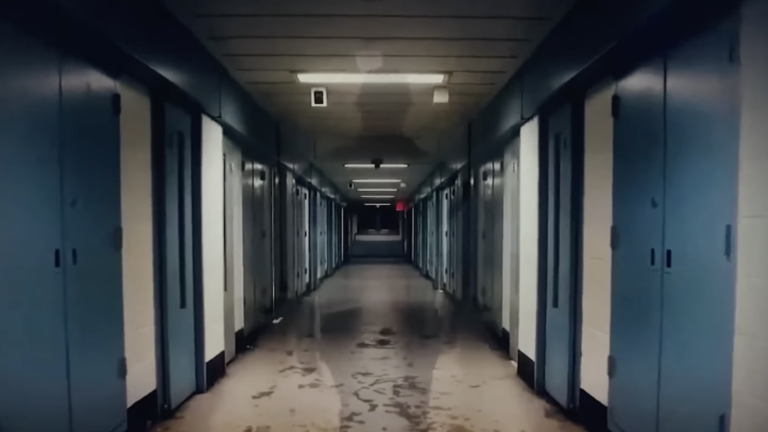
For many years, the deaths that have occurred at Rikers Island have led people to question the conditions inside the jail and whether or not the individuals detained there are getting the care they should be receiving. In some cases the deaths were connected with suicide, in others with medical emergencies, violence or neglect, but taken together they showed that there were serious problems in the system.
A case that was particularly disturbing concerned Jerome Murdough, a former Marine who had bipolar disorder and schizophrenia. He was discovered dead in his cell in February 2014, with blood and vomit around him. His body temperature had gone up to 103°F and his death was said to have been essentially that of someone being ‘baked to death’.
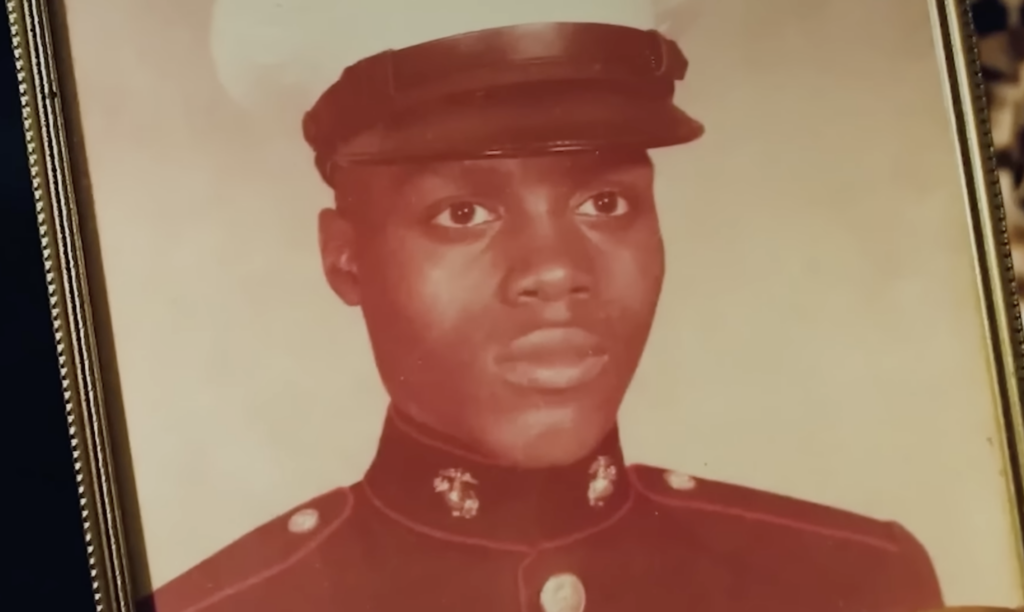
The death was declared accidental once the guard who was supposed to check on him had left her post, but because of Rikers Island’s past, doubts still existed as to whether neglect had been a factor.
A month later a second prisoner who had schizophrenia died after eating a toxic detergent. It is said that he cried out for medical help for several hours, but his appeals were ignored. One of the officers was later charged with violating human rights.
The fact that inmates had serious mental health problems also showed how difficult it is to provide them with care. At Rikers there were inmates suffering from bipolar disorder, depression and schizophrenia, but many of them were unable to get the care they needed while living in an environment full of violence and instability.
Kalief Browder became one of the most well-known cases illustrating how the system can destroy a person even without a conviction. He had been arrested at the age of 16 for allegedly stealing a backpack and, since he could not afford bail, was sent to Rikers Island while his trial was pending.
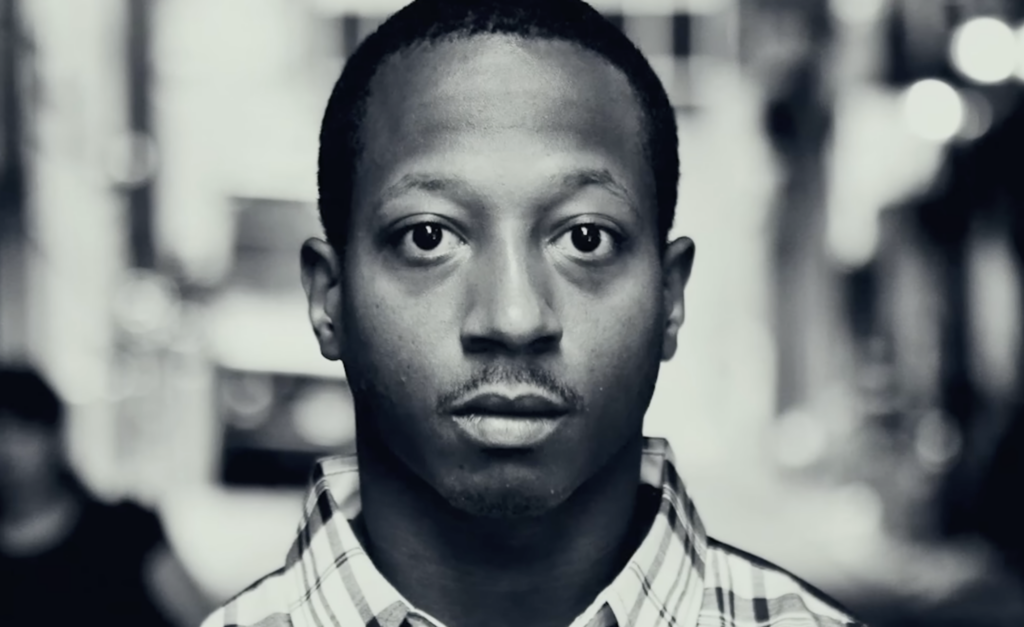
Browder stuck to his innocence and turned down any plea bargains that would have let him go free. He therefore spent over 1,100 days at Rikers, a large part of that time being in solitary confinement, and stated that he was frequently beaten by both guards and prisoners.
His accusations were finally dismissed, but the incident had严重 consequences. Browder died by suicide in 2015 when he was only 22 years old, which once again sparked calls for Rikers Island to close.
The case of Layleen Xtravaganza Polanco also attracted wide attention, since in April 2019 the 27-year-old was arrested and detained at Rikers because she could not afford the $500 bail.
Polanco had epilepsy and a previous history of seizures, which she told the authorities about. She was subsequently put into solitary confinement for 20 days even though a psychiatrist had recommended against it, and on the ninth day she had a seizure before being found dead in her cell.

The rules stated that the officers had to check the inmates who were in solitary confinement every 15 minutes, but there was a 47-minute interval between checks in Polanco’s case. Once the officers had finally discovered that she was unresponsive, they tried to revive her, but she could not be saved.
The city of New York eventually settled the wrongful death claim with Polanco’s family by paying them $5.9 million.
The deaths went on. In 2021 fifteen inmates died at Rikers as a result of suicide, overdose or COVID-19; in 2022 the figure increased to 19, this time including a number of confirmed or suspected suicides.
The deaths went beyond being just individual tragedies; they revealed a jail that was having difficulties with medical care, mental health support, staffing, and basic supervision. The increasing number of deaths helped enhance the pressure to close Rikers, thus demonstrating that the problems within the jail could no longer be regarded as separate incidents.