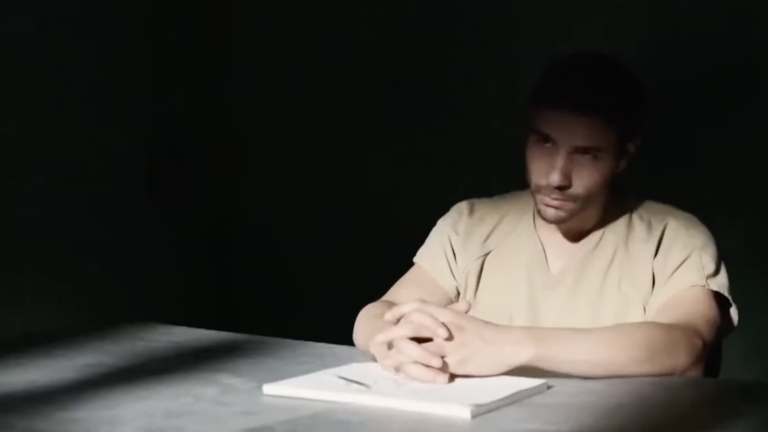
Mohamedou Ould Slahi had never thought that going to the police would result in him spending years in one of the world’s most notorious prisons.
When he was in Mauritania he went voluntarily to the authorities to answer questions at the request of the United States; instead of just answering the questions and then going home, Slahi was detained and from that point on his life moved through a series of prisons until it ended at Guantanamo Bay.
He was accused of being a major terrorist and was in fact wrongly called the ‘head recruiter’ for 9/11, but no trial was arranged for him and there was no court where he could appear before a judge to respond to the charges. He was just arrested.
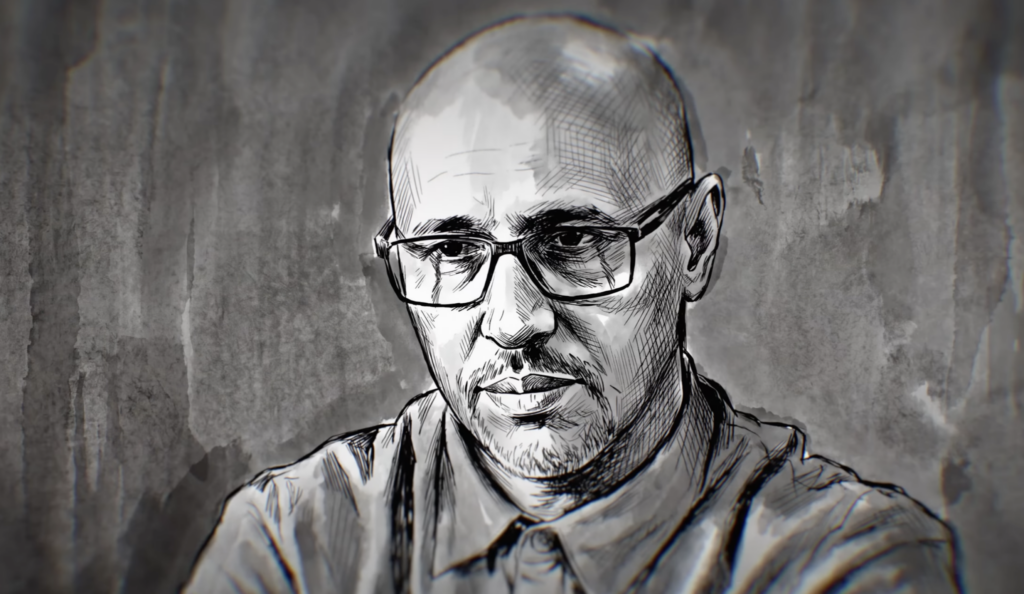
Slahi was brought to Guantanamo Bay in 2002; he later recalled seeing himself among the prisoners in those notorious early photographs, all of them on their knees with goggles over their eyes and their faces covered by blindfolds. At the time, he had no notion of how long he would have to stay there.
The atmosphere within the prison turned into something far more sinister.
Slahi later spoke about the years he had spent in isolation, suffering from sleep deprivation and humiliation. He was put through severe interrogation methods which were meant for the purpose of breaking him until he decided to cooperate. There was a time when he was interrogated continuously for days on end, his captors attempting to wear him down both physically and mentally.
There were times when the treatment was particularly severe. He said that he had been taken on to a boat, threatened and forced to drink salt water until he choked. He also said that he had been subjected to extreme cold, which included having his uniform filled with ice until he shook violently, after which he received beatings.
The aim was not just to put questions to him; it was to make him feel as though he had no control over what happened to him.
There was yet another form of torture which could be just as severe: not knowing when any of it would come to an end.
Slahi remained for many years behind the bars of Guantanamo without ever being accused of a crime and eventually started to write down what was happening to him; in 2005, while he was still in prison, he wrote what later became the *Guantanamo Diary*, making his account by hand from inside the prison.
One of the most disturbing things he mentioned was something that happened regarding his mother. Having not heard from her for years, Slahi got what he thought was a letter from her and for a while it seemed as though a link with home had finally come to him.
He then realized that the letter was fake.
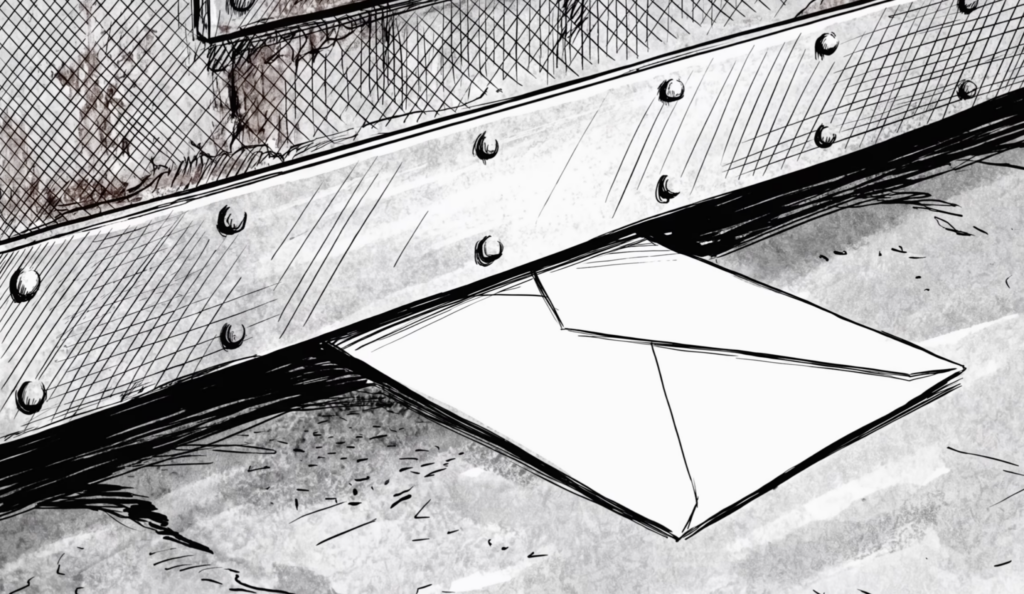
He thought that it had been employed as a further method of breaking him down psychologically.
In 2010 a U.S. federal judge finally got Slahi released since the government had not provided sufficient evidence to warrant his continued detention. However, Slahi didn’t leave Guantanamo.
He remained there.
The years went on, even though a judge had decided that Slahi should be released; his case had taken on a most odd character in that a person could be told that they should be set free yet still remain behind the prison walls.
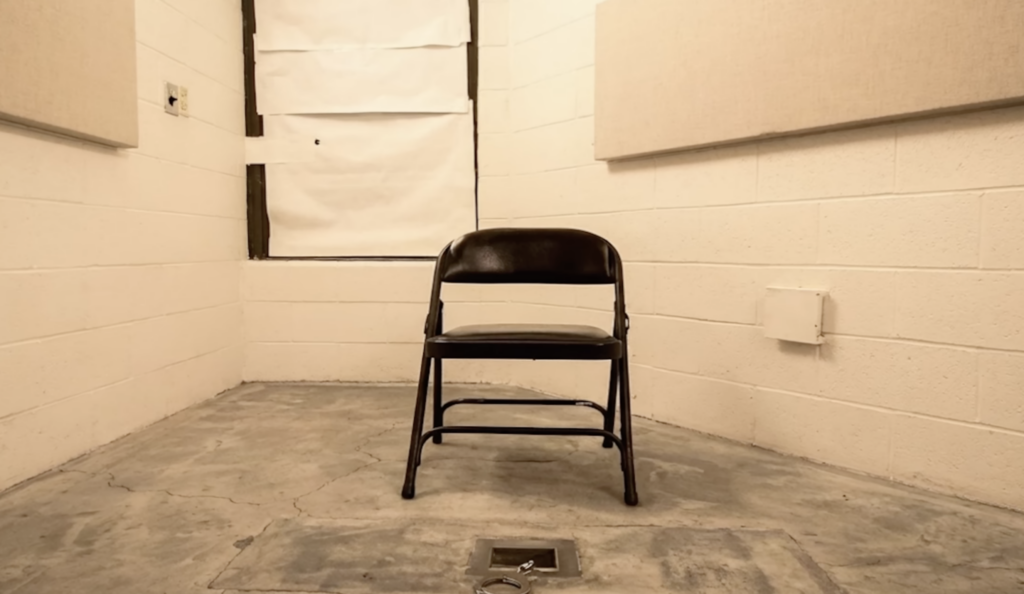
Slahi was finally freed in October 2016 after having spent about 14 years at Guantanamo and went back to Mauritania; he had never been accused of any crime.
By that time the man who had entered the prison many years before had become a completely different sort of person: a former prisoner who carried with him the memories of all that had happened to him.
His story was later the foundation for The Mauritanian, thus bringing his experience to a much wider audience. But before the film was made, there was just Mohamedou Ould Slahi in prison, writing down what had happened to him and waiting for someone finally to open the door.