Some amusement parks are remembered for thrilling rides, colorful attractions, and carefree summer days. Action Park in New Jersey became famous for something very different. Visitors arrived looking for excitement, but many left with injuries, while some encounters with the park ended in tragedy.
For years, Action Park developed a reputation unlike almost any other amusement park in the United States. Its attractions were unusual, its rules were often unconventional, and the risks were sometimes impossible to ignore. The park eventually became associated with the nickname “Class Action Park.”
At the center of the operation was businessman Gene Mulvihill, who imagined an amusement park where visitors were not simply passive passengers. His attractions were designed to give guests control over their experiences, allowing them to influence speed, movement, and intensity. The result was an environment where the boundary between entertainment and danger could become extremely thin.
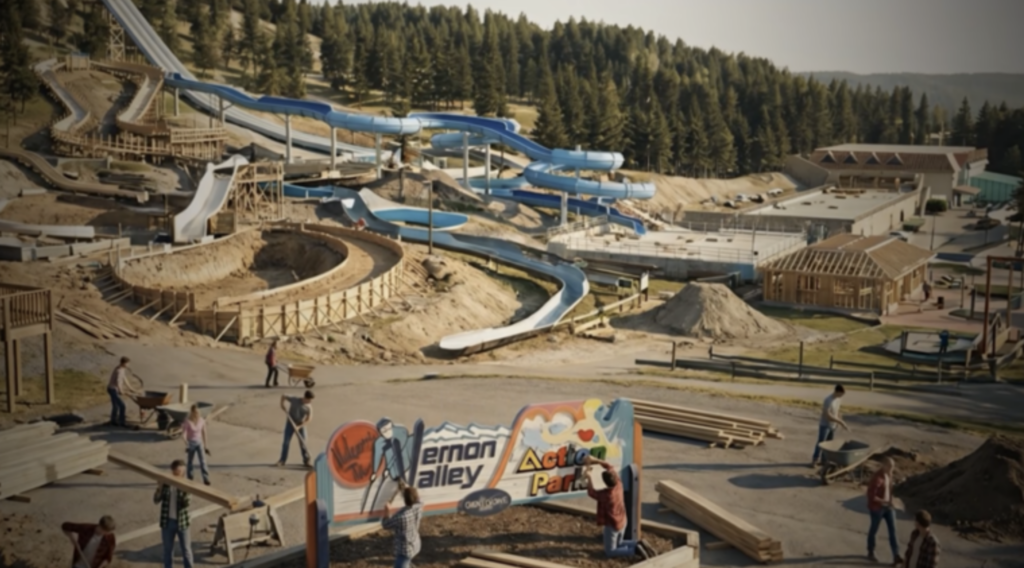
When Action Park opened in 1978, it quickly attracted enormous attention. One of the early attractions was the Alpine Slide, a downhill course stretching approximately 2,700 ft (823 m). Riders sat inside small carts and controlled their descent with brakes, but maintaining control was not always easy.
Crashes were common on the course. Riders could strike the sides of the track or lose control while traveling downhill, resulting in everything from painful bruises and cuts to much more serious injuries. Yet the accidents did little to stop people from returning for another attempt.
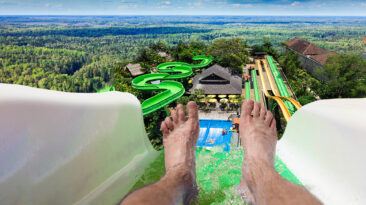
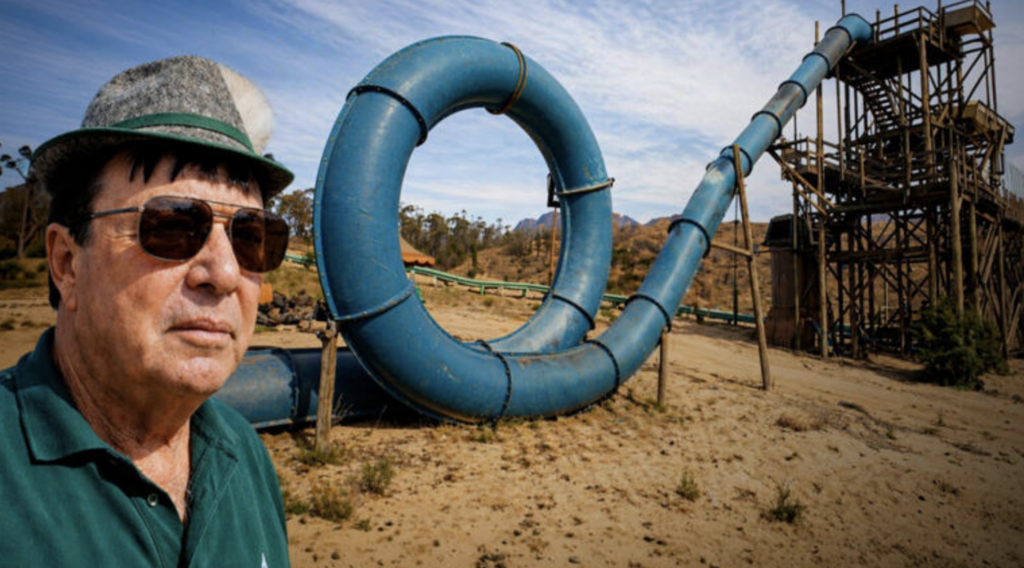
The park’s water attractions eventually became even more notorious. Among them was the Cannonball Loop, an ambitious waterslide designed around a complete vertical loop. The concept sounded spectacular, but testing quickly revealed how difficult and dangerous the design could be.
Riders had trouble completing the loop safely, and reports of injuries followed. The attraction remained in operation for only a brief period before it was eventually taken away, becoming one of the park’s most memorable failed experiments.
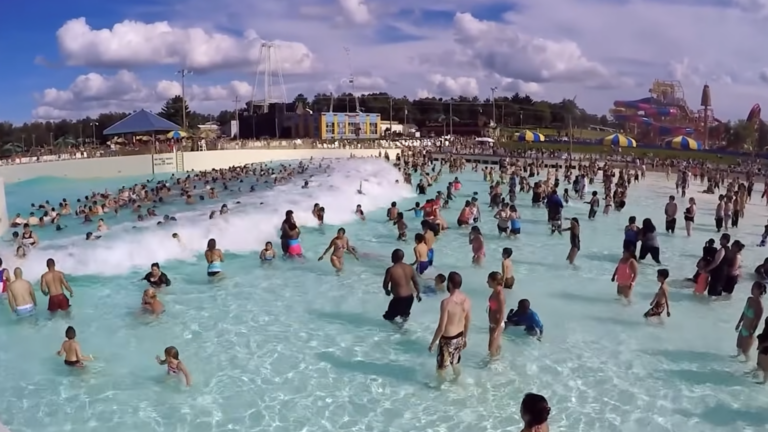
Then there was the attraction that became perhaps the clearest symbol of Action Park’s dangerous image: its wave pool. It was designed to reproduce the conditions of ocean swimming, with large waves moving through the water while crowds of guests attempted to stay afloat.
The attraction became extremely popular, but lifeguards reportedly referred to it as the “Grave Pool.” One major problem was the sheer number of people allowed into the water. Rather than maintaining a tightly restricted capacity, the park sometimes allowed close to 1,000 visitors into the pool simultaneously.
Inside such a crowded space, maintaining control could become difficult. Powerful waves knocked swimmers beneath the surface, while people collided with one another and struggled to find room. Exhausted swimmers could have an especially difficult time recovering their strength as the constant movement continued around them.
Lifeguards were repeatedly required to enter the water and assist people who were struggling. The attraction was eventually associated with multiple drowning deaths involving teenagers and young adults who had come to the park for a day of entertainment.
The wave pool was only one example of why Action Park became so controversial. Another attraction, the Tarzan Swing, allowed visitors to grab a rope and launch themselves into cold spring water below. The sudden impact and freezing temperature created another opportunity for something to go wrong.
Some guests entered the water awkwardly, while others struggled with the shock caused by the extremely cold spring. The Roaring Springs attraction presented its own hazards, sending riders through a tubing course where collisions with walls, other visitors, and unexpected obstacles could occur.
Concerns also extended beyond the rides themselves. Many of the park’s employees were teenagers, and some had limited experience or training. Critics argued that keeping attractions operating and moving crowds through the park could receive greater attention than strict safety practices.
During Action Park’s history, six people died in incidents connected to the park. The first recorded fatality involved the Alpine Slide, where a rider lost control and struck a rock. Later deaths involved incidents including drowning, electrocution, and accidents connected to the park’s attractions.
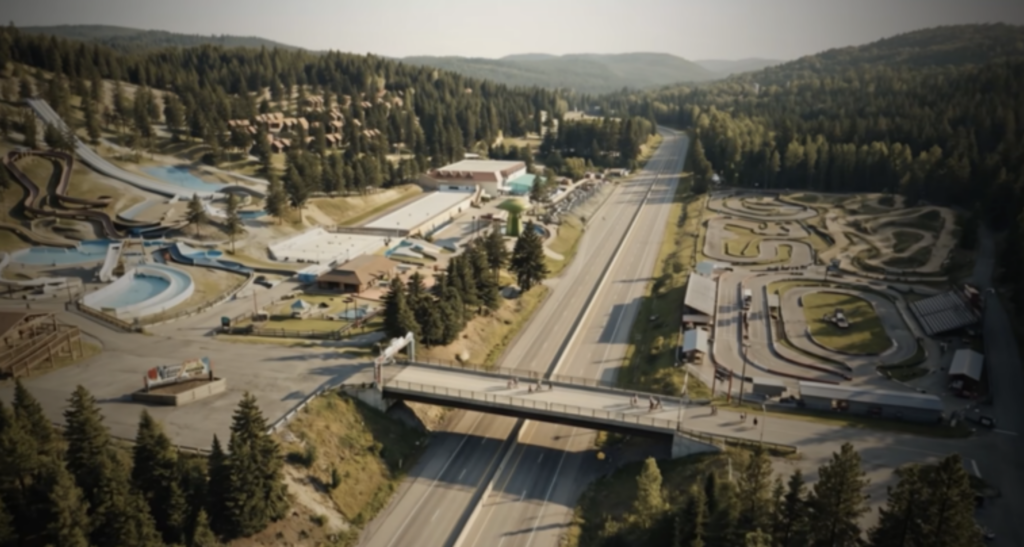
Despite the growing number of injuries, lawsuits, and other problems, Action Park continued operating. Mulvihill became involved in numerous legal disputes and developed complex insurance arrangements that helped the business deal with its financial exposure.
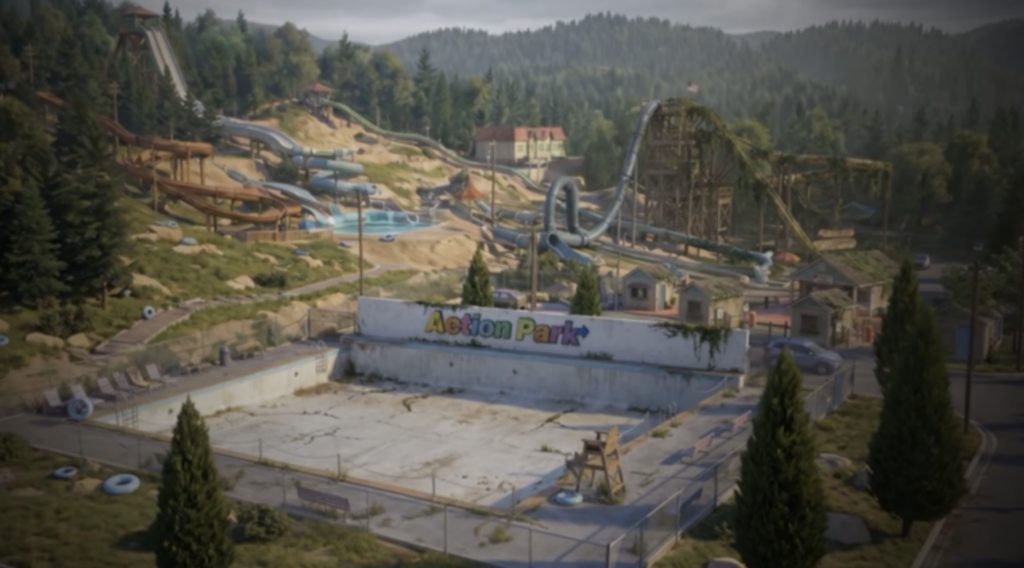
Eventually, however, the park’s problems became increasingly difficult to overcome. Mounting debt, legal difficulties, and falling attendance placed additional pressure on the business. After the 1996 season, Action Park finally shut its gates for good.
The park has remained famous long after its closure. Its history has become an unusual example of what can happen when an amusement business pushes the idea of extreme entertainment beyond conventional safety expectations.
For the people who visited during its most notorious years, Action Park remains difficult to forget. Some remember an exciting place unlike anything else, while others remember injuries, frightening experiences, and attractions that seemed far too dangerous. Its legacy survives because the park turned danger itself into part of the experience.