In 2019, the U.S. Bureau of Justice Statistics reported that 3,853 prisoners died in state and federal facilities. And with 600,000 people entering the American jail and prison system every year, your chances of winding up in the clink, surrounded by criminals capable of the most violent acts, might not be that slim.
Why shouldn’t you talk about your crimes? How can inmates get lost in the hole? And how could joining a workshop save your life?
Number 5: Don’t Show Off
No one said being here is easy, but your experience depends greatly on the relationships you form. Don’t start off on the wrong foot by bragging about what you did to get there or everything you own on the outside.

Becoming unlikable can put a target on your back. And If your crime was particularly heinous, it might spur some of the inmates to turn on you. You best keep it to yourself.
Number 4: Don’t Use Other People’s Stuff
Just like everybody, you wanted the bottom bunk but you got assigned to the top one. Climbing up and down every time you feel like resting is a pain, but you have to deal with it.
Sitting down on your cellmate’s or any other bunk that isn’t yours will be perceived as a sign of disrespect. The same unwritten rule applies to helping yourself to anything that doesn’t belong to you.
Inmates can have weapons on them, and if this misstep leads to an argument, you could end up hurt.
Number 3: Don’t Give Up
Being attacked by inmates or guards aren’t the only ways you can die here. Unfortunately, suicide accounts for 30% of the deaths inside prisons.

Facing a long sentence can be overwhelming, but taking care of your mental health is crucial. Taking a course or joining activities to learn new skills can help your mind stay busy.
These workshops will often require you to engage with other prisoners in a positive way. You can get a lot of peer support and build good relationships.
Number 2: Don’t Break the Rules
Being incarcerated is isolating enough. The last thing you want is to be put in solitary confinement. There, you’d be in a cell measuring 1.2m by 2.7m (6 ft by 9 ft) for at least 22 hours a day for an indeterminate amount of time. In extreme cases, inmates get lost in the hole.
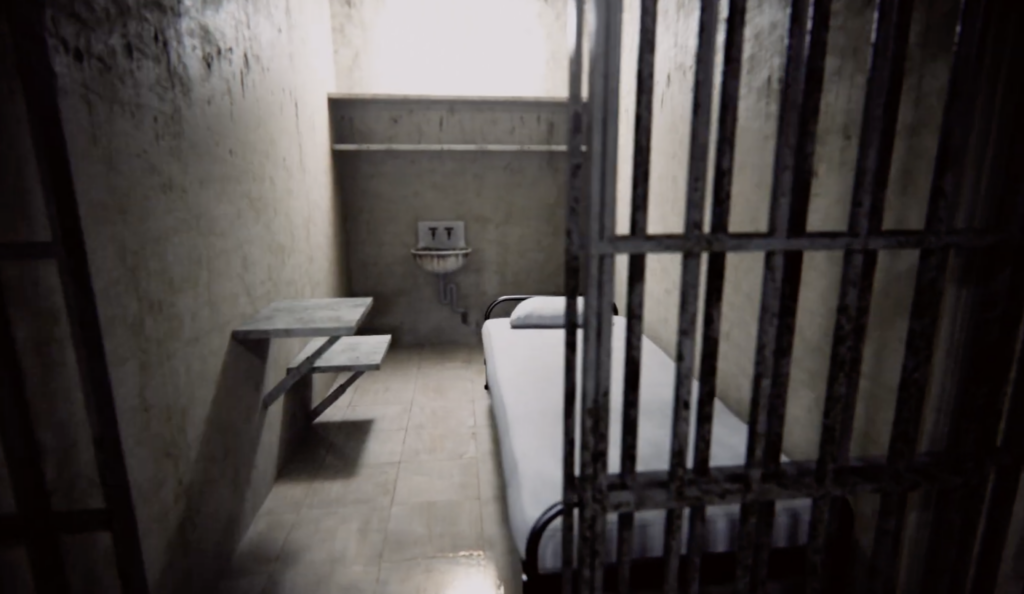
In 2005, Stephen Slevin was pulled over for driving under the influence of alcohol in New Mexico and left in solitary confinement for almost two years after being deemed a suicide risk. Jail administrators appeared to have forgotten about him.
As his mental health deteriorated, he was forced to pull out his own tooth after being denied access to dental care.
Number 1: Don’t Snitch
Before you go to guards with info on your cellmate’s involvement in violence or any misconduct, remember, snitches get stitches. It might be tempting to tell prison staff about what you saw to get extra privileges, but if word gets out you’re going to have to sleep with one eye open.
Even the accusation of snitching can be enough to get you beaten up or worse.
Despite your best efforts, they placed you in solitary confinement. You’re about to be by yourself for days or even months with nothing but your thoughts to keep you company.