Christa Pike, a death row inmate in Tennessee, survived an extraordinary execution attempt involving lethal injection. After two doses of the execution drug were administered, she remained alive, creating an unusual situation that has drawn attention to other cases in which condemned prisoners survived attempts to put them to death.
Her case is not without precedent. Decades before Pike’s execution attempt, another prisoner survived an execution that was supposed to be fatal, only to face the same punishment again. His name was Willie Francis, and his case would eventually reach the United States Supreme Court.
In 1946, 17 year old Willie Francis was at the center of one of the most unusual execution cases in American history. Francis had been convicted of killing a pharmacist in Louisiana and sentenced to death by electrocution. The jury had reportedly deliberated for only about 15 minutes before reaching its verdict.
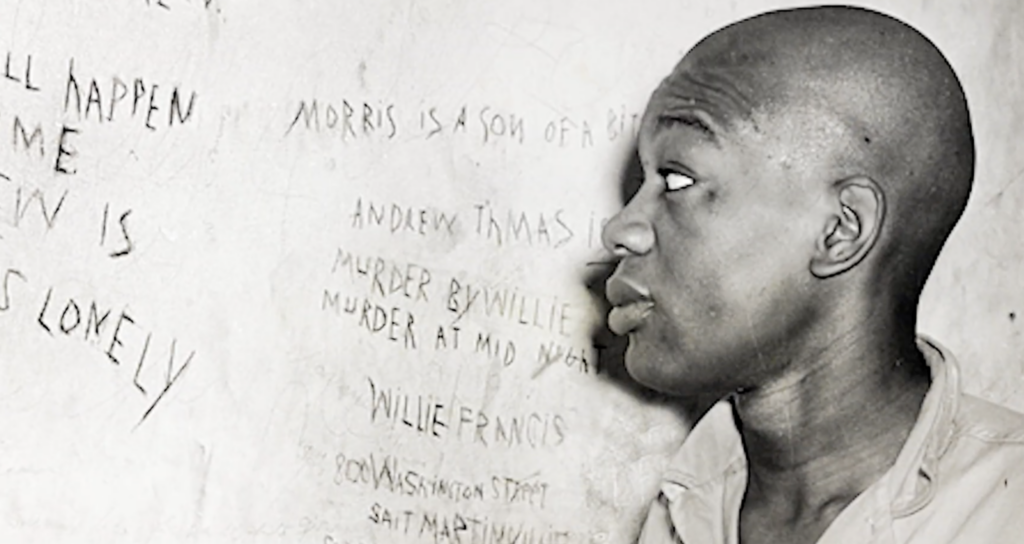
Francis was a Black teenager living in Louisiana during a period when racial discrimination was deeply rooted in the American justice system. The jury that convicted him consisted entirely of white men, and after receiving his death sentence, he was transferred to the electric chair.
Before the execution began, Francis received his final religious rites and was taken into the chamber. Prison officials secured him inside the electric chair and prepared the equipment, expecting the procedure to end his life within moments.
But the execution did not go as planned.
When the current was turned on, Francis remained alive. The roughly 300 pound chair reportedly shook violently as electricity moved through his body, subjecting the teenager to severe pain. Witnesses said prison officials could hear Francis crying out that he was still alive while the equipment continued operating.
After the failed attempt, officials eventually stopped the procedure. Francis was taken out of the chair alive, leaving authorities with the extraordinary problem of what to do with a condemned prisoner who had just survived his own execution.
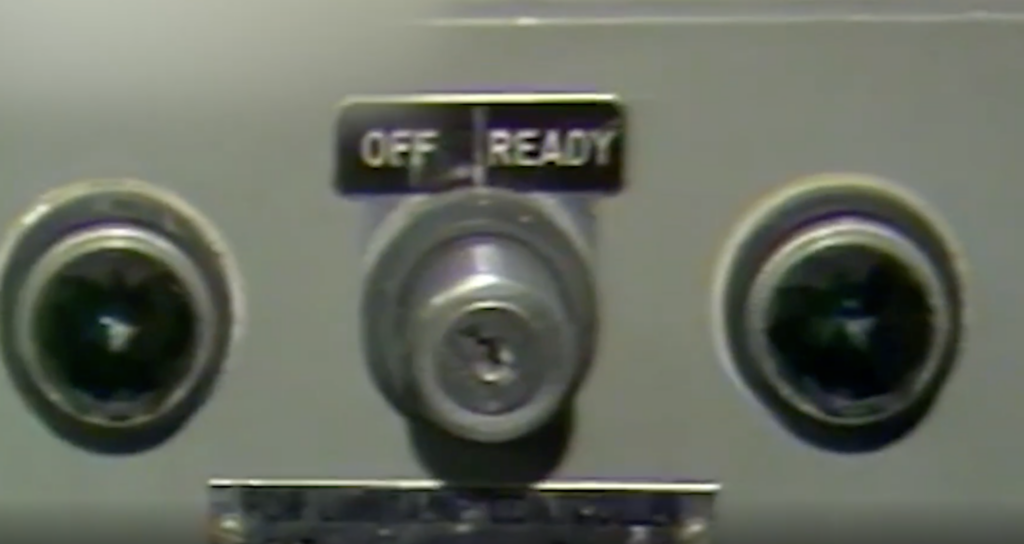
A later investigation pointed to problems with the electric chair and the way it had been prepared. Reports indicated that the prison guard who had set up the equipment had been drinking, while faulty wiring was also believed to have played a role in the failed execution.
Rather than considering the failed attempt the end of Francis’s sentence, Louisiana authorities decided that they would execute him again.
Francis’s lawyers fought the decision in court. They argued that making him undergo another execution after he had already survived one attempt would violate his constitutional protections. The unusual case eventually reached the United States Supreme Court, where the justices had to consider whether Louisiana could legally return Francis to the electric chair.
The Supreme Court ruled against Francis, allowing Louisiana to proceed with another attempt to carry out his death sentence.
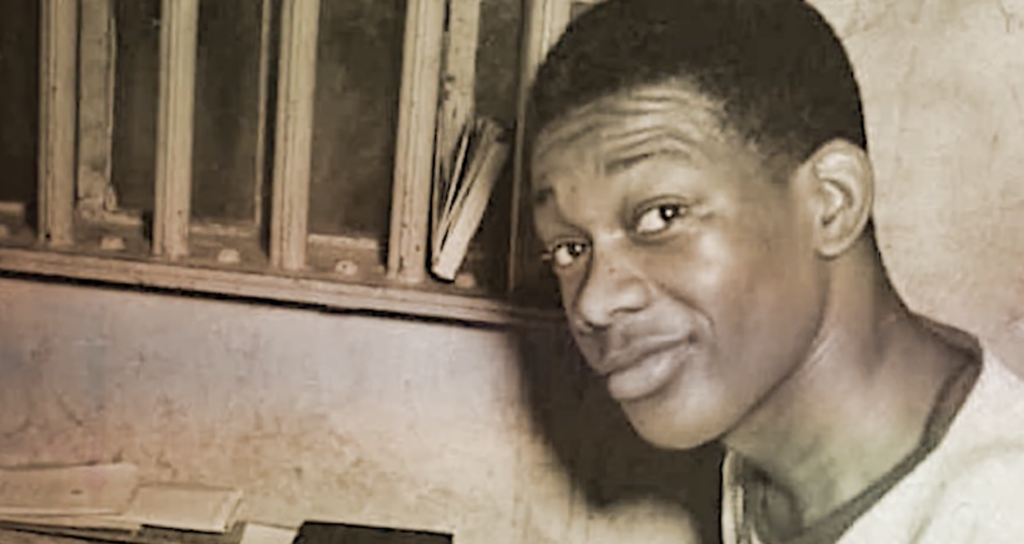
About a year after the first failed execution, Francis was taken back to the electric chair. Officials once again connected him to the equipment and switched on the current, but this time the chair operated as intended.
Francis was executed in 1947, when he was only 18 years old.
The case became one of the most remarkable examples of a failed execution in American history. A teenager who was supposed to die in the electric chair survived because of an equipment failure, then spent the following year fighting an attempt to execute him again before ultimately being returned to the same chair.
Willie Francis survived an execution once, but the Supreme Court’s decision meant that his survival did not cancel the death sentence. His case remains an extraordinary example of what can happen when an execution fails, decades before Christa Pike faced her own unusual survival of a lethal injection attempt.