Cape buffalo are among the most dangerous animals found in Africa. These massive mammals can stand up to 1.5 meters (5 feet) tall and weigh as much as 870 kilograms (1,910 pounds).
They are sometimes called the “black death” because of their reputation for aggression and the danger they pose to hunters. A fully grown buffalo can charge at speeds of up to 60 km/h (37 mph), making it an extremely dangerous animal to face on foot.
Every year, Cape buffalo are responsible for the deaths of people in Africa, including hunters who come into close contact with them. One such incident involved Claude Kleynhans, a hunter in South Africa.
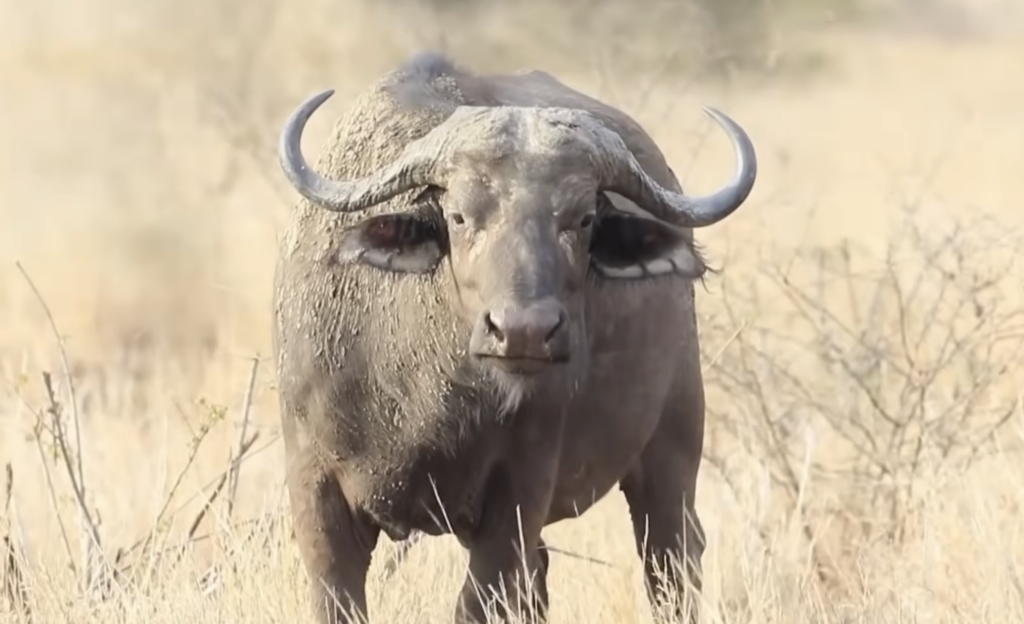
Kleynhans had been hunting buffalo and had just shot one animal from a herd. Instead of fleeing, however, another member of the herd turned toward him.
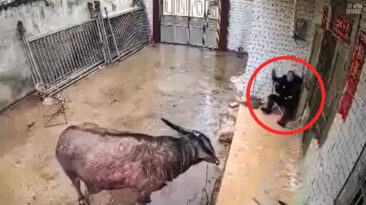
The buffalo chased Kleynhans and eventually caught up with him. It then gored him, killing him in the attack.
The incident shows why Cape buffalo can be so dangerous even after a hunter has successfully shot one animal. Their size, strength, speed, and behavior can make them extremely difficult to escape once they decide to charge.
Cape buffalo can weigh nearly a ton, and their horns provide a powerful weapon. They can also become highly aggressive when threatened, particularly when defending themselves or other members of their herd.
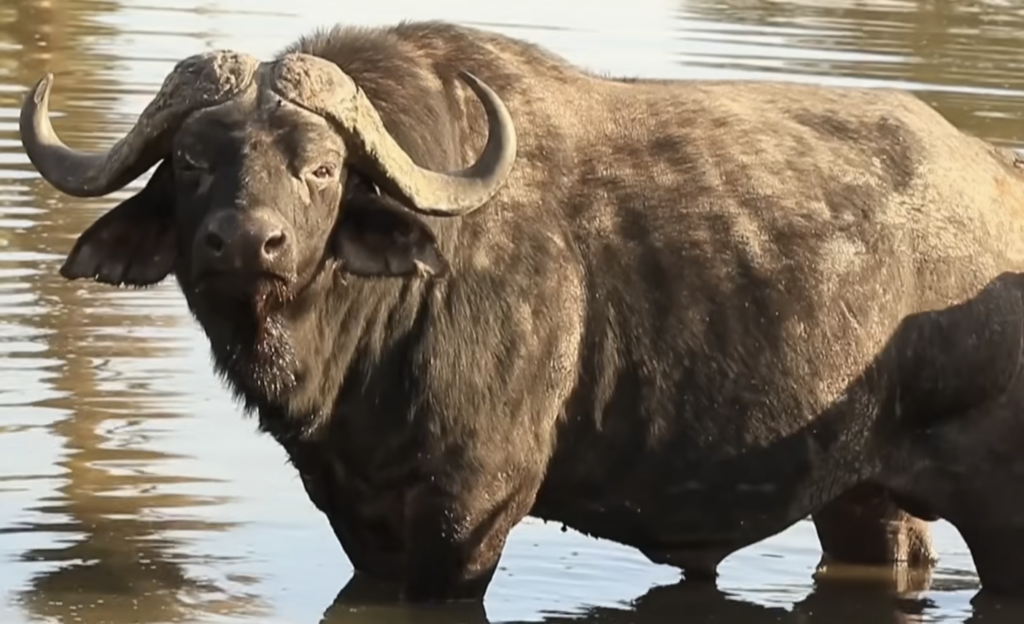
For someone caught in the path of a charging buffalo, simply trying to outrun it is unlikely to work. The animals can move remarkably quickly despite their enormous size, and they are capable of knocking down smaller trees and obstacles.
If a Cape buffalo begins chasing you, reaching a sturdy tree or another substantial obstacle can provide a better chance of getting out of its path. Climbing to a secure position may put enough distance between you and the animal to prevent it from reaching you.
Kleynhans’s death remains a stark example of how quickly a buffalo hunt can turn deadly. Shooting one animal does not necessarily mean the danger is over, especially when an entire herd is nearby.