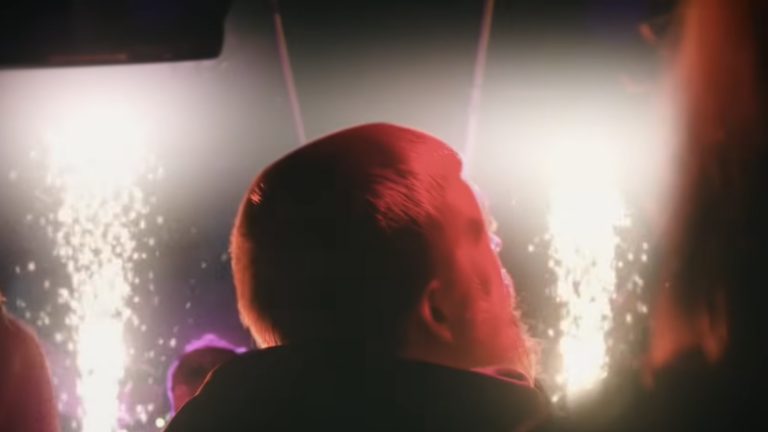
It was supposed to be a night out filled with rock music, cheap beer, and a performance from Great White. On February 20, 2003, around 450 people packed into The Station nightclub in West Warwick, Rhode Island, ready to watch the band take the stage.
At 11:07 p.m., Great White began playing. Their tour manager, Daniel Biechele, set off four pyrotechnics behind the performers, sending sparks into the air. Within seconds, the walls caught fire, but many people in the crowd initially thought the flames were simply part of the show.
Then the fire began spreading.
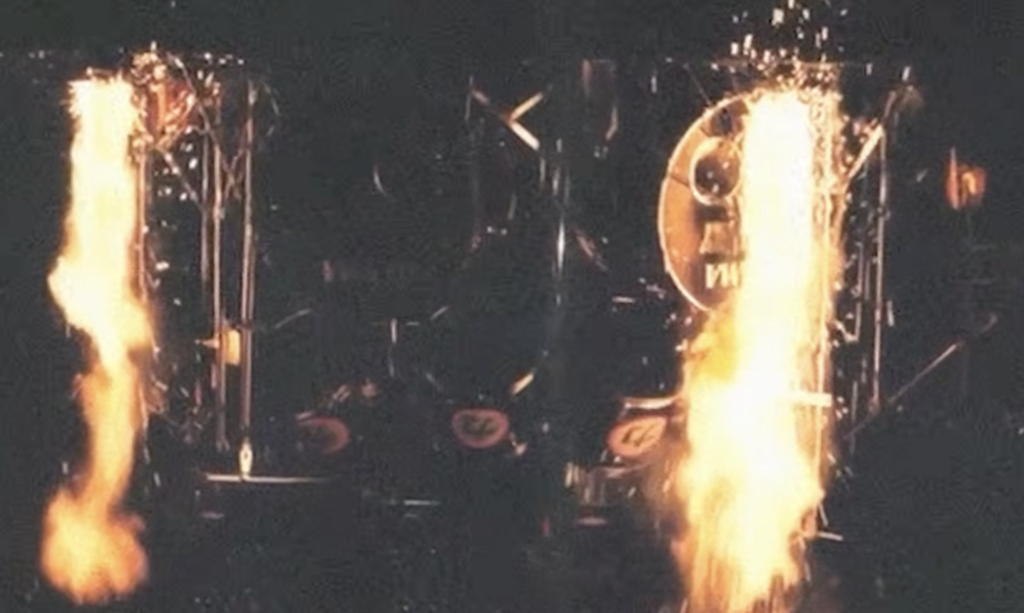
The band’s lead singer, Jack Russell, noticed the flames and tried to throw water on them before telling the crowd that something was wrong. The band then headed toward the stage door, while Gina Russo and her fiancé, Fred Crisostomi, rushed toward the same exit.
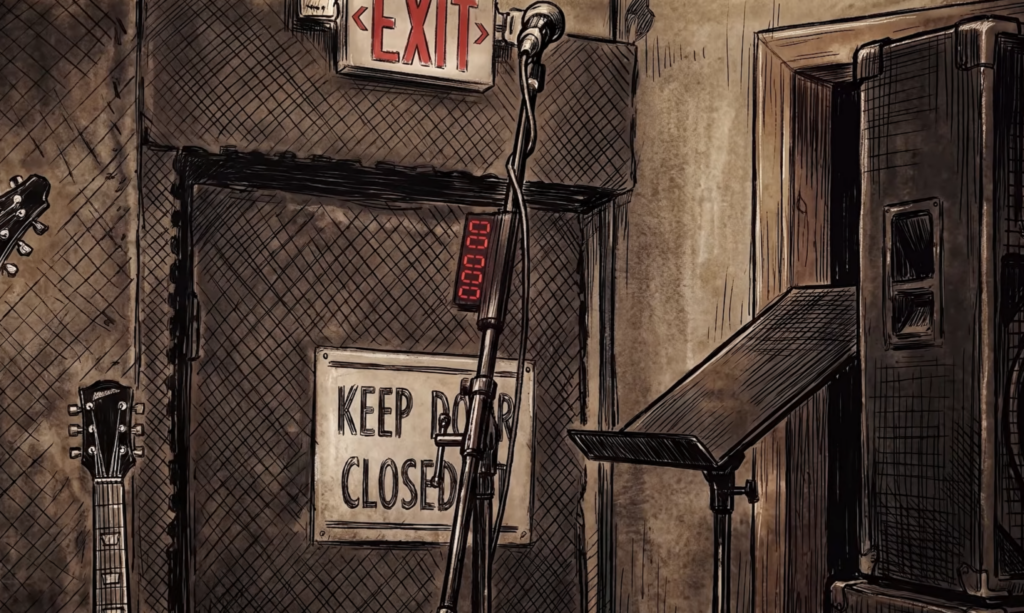
But the door was not opened for them.
Fred screamed that there was a fire and begged the bouncer to let them through. He was told the door was only for the band and that it was club policy. Gina and Fred were forced to turn around and head back toward the front entrance.
Forty one seconds after the first spark, the fire alarm sounded. By then, the ceiling was burning and pieces were beginning to fall. Hundreds of people realized they had to escape, and almost everyone rushed toward the front door they had used to enter.
The fire spread with terrifying speed. Smoke filled the building while people pushed toward the entrance. Some survivors described seeing people engulfed in flames, while others could smell burning flesh and toxic fumes.
Then the crowd reached the entrance.
One of the double doors was locked, leaving only a 33 inch, or 84 centimeter, opening available. People became trapped against one another as everyone tried to squeeze through the same narrow space.
A crowd crush formed near the entrance. People fell, and those behind them had nowhere to go. Bodies began piling on top of one another as desperate concertgoers continued trying to escape the flames.
Mike Vargas was trapped underneath the crowd. The pressure around him continued building as people fell over him. He curled onto his side to keep breathing and repeated his 10 year old son’s name in his head, trying not to lose consciousness.
Eventually, the second door broke open, allowing more people to escape. Others smashed windows and were pulled outside by people waiting in the snow.
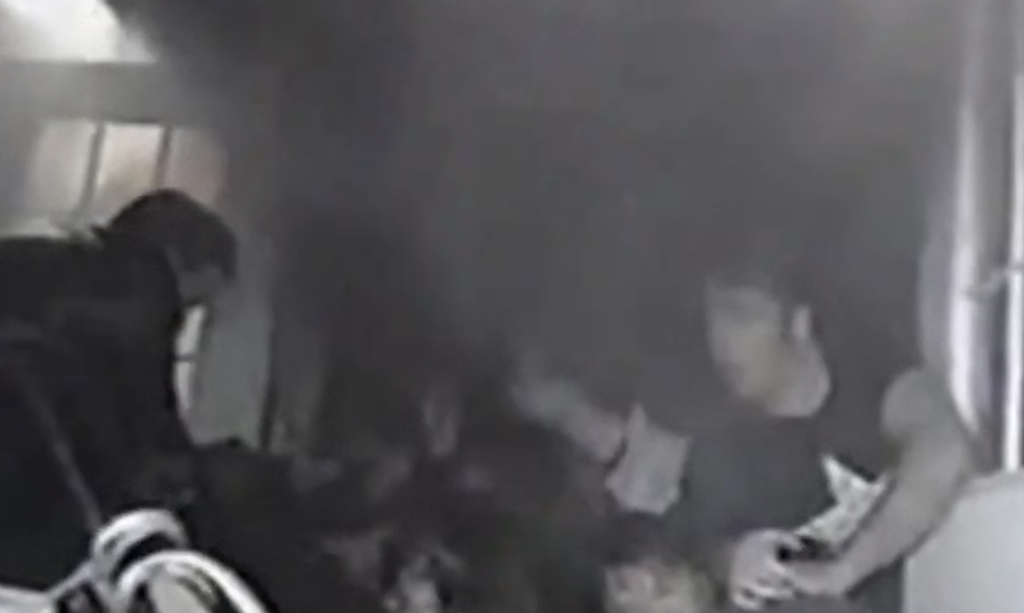
Some survivors escaped with severe burns. People threw themselves into snowbanks to extinguish flames burning on their bodies.
But many never made it out.
Within roughly 90 seconds, anyone still inside had very little chance of escaping. Nearly 100 people died, while more than 200 others were injured.
The first fire truck arrived around 11:13 p.m., but the situation was already catastrophic. The entire building was engulfed in flames, and dozens of people were still trapped near the entrance.
The first engine had only one firefighter and one officer, half the usual number. Their onboard water supply quickly ran out while other crews raced toward the scene.
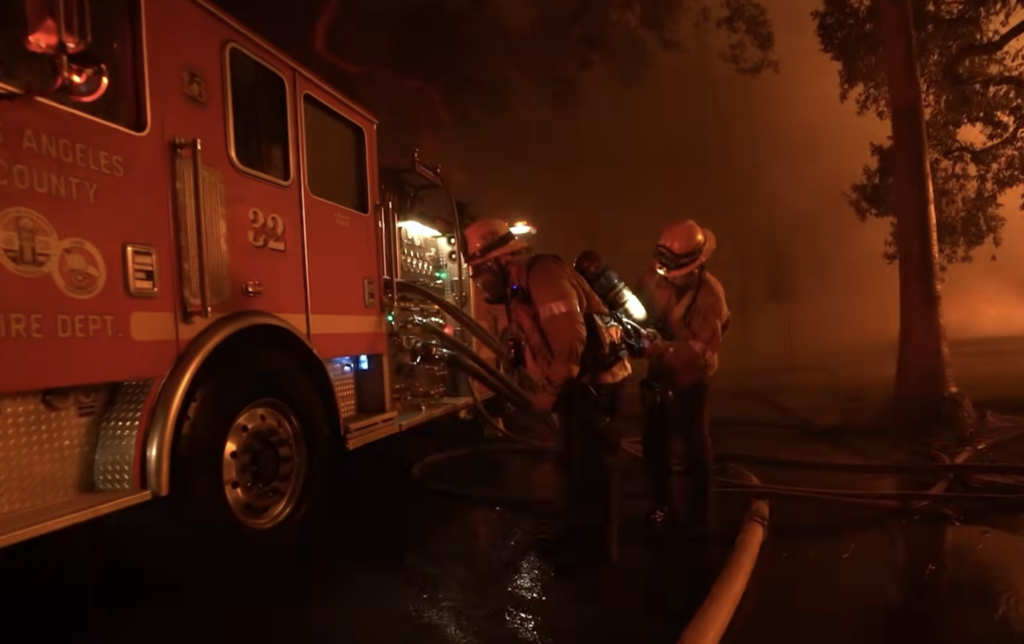
A temporary triage operation was established across the street as severely injured survivors were carried from the burning building. Burn victims filled hospitals, forcing medical staff to find additional space in intensive care units.
More firefighters arrived, but the building continued to collapse. At 11:40 p.m., the barroom roof came down. Minutes after midnight, the walls began collapsing as the rescue operation continued.
Mike Vargas remained trapped beneath the bodies until rescuers finally pulled him out around 12:30 a.m.
By 1:00 a.m., the operation officially changed from rescue to recovery.
The next morning, police surrounded the ruins of The Station and treated the building as a crime scene. Recovery teams searched through the wreckage and pulled bodies from bathrooms, the kitchen area, and near the entrance.
The governor later confirmed that 96 people had died at the scene. Another 230 were injured, and the death toll eventually reached 100 as more victims died from their injuries.
What began as a night of music had become one of the deadliest nightclub fires in American history. And the investigation that followed would reveal how a disaster that unfolded in seconds had been allowed to happen.